
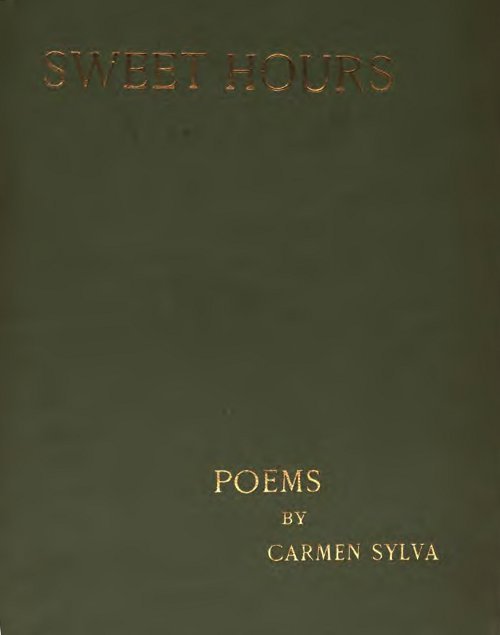
The Project Gutenberg eBook of Sweet Hours
This ebook is for the use of anyone anywhere in the United States and
most other parts of the world at no cost and with almost no restrictions
whatsoever. You may copy it, give it away or re-use it under the terms
of the Project Gutenberg License included with this ebook or online
at www.gutenberg.org. If you are not located in the United States,
you will have to check the laws of the country where you are located
before using this eBook.
Title: Sweet Hours
Author: Carmen Sylva
Release date: March 19, 2015 [eBook #48533]
Most recently updated: October 24, 2024
Language: English
Credits: Produced by Susan Skinner and the Online Distributed
Proofreading Team at http://www.pgdp.net (This book was
produced from scanned images of public domain material
from the Google Print project.)
*** START OF THE PROJECT GUTENBERG EBOOK SWEET HOURS ***
SWEET HOURS
BY
CARMEN SYLVA
LONDON
R. A. EVERETT & CO., Ltd.
42 ESSEX STREET, W.C.
1904
[All rights reserved]
CONTENTS
| PAGE | ||
| TO THE MEMORY OF QUEEN VICTORIA | 1 | |
| A FRIEND | 4 | |
| OUT OF THE DEEP | 7 | |
| A CORONATION | 10 | |
| DOWN THE STREAM | 13 | |
| IN THE RUSHING WIND | 16 | |
| UNDER THE SNOW | 19 | |
| SOLITUDE | 21 | |
| THE GNAT | 24 | |
| REST | 27 | |
| THE SHADOW | 32 | |
| THE GLOWWORM | 35 | |
| A DREAM | 37 | |
| IN THE DARK | 40 | |
| THE SENTINEL | 43 | |
| LETHE | 47 | |
| A DEBTOR | 51 | |
| "VENGEANCE IS MINE," SAITH THE LORD | 54 | |
| NIGHT | 58 | |
| ROUSED | 62 | |
| SADNESS | 66 | |
| WHEN JOY IS DEAD | 68 | |
| A ROOM | 71 | |
| UNREST | 74 | |
TO THE MEMORY OF QUEEN VICTORIA
THESE ever wakeful eyes are closed. They saw
Such grief, that they could see no more. The heart—
That quick'ning pulse of nations—could not bear
Another throb of pain, and could not hear
Another cry of tortur'd motherhood.
Those uncomplaining lips, they sob no more
The soundless sobs of dark and burning tears,
That none have seen; they smile no more, to breathe
A mother's comfort into aching hearts.
The patriarchal Queen, the monument
Of touching widowhood, of endless love,
And childlike purity—she sleeps. This night
Is watchful not. The restless hand, that slave
To duty, to a mastermind, to wisdom
That fathom'd history and saw beyond
The times, lies still in marble whiteness. Love
So great, so faithful, unforgetting and
Unselfish—must it sleep? Or will that veil,
That widow's veil unfold, and spread into
The dovelike wings, that long were wont to hover
In anxious care about her world-wide nest,
And now will soar and sing, as harpchords sing,
Whilst in their upward flight they breast the wind
Of Destiny. No rest for her, no tomb,
Nor ashes! Light eternal! Hymns of joy!
No silence now for her, who, ever silent,
Above misfortunes' storms and thund'ring billows,
Would stand with clear and fearless brow, so calm,
That men drew strength from out those dauntless eyes,
And quiet from that hotly beating heart,
Kept still by stern command and unbent will
Beneath those tight shut lips. Not ashes, where
A beacon e'er will burn, a fire, like
The Altar's Soma, for the strong, the weak,
The true, the brave, and for the quailing. No,
Not ashes, but a light, that o'er the times
Will shed a gentle ray, and show the haven,
When all the world, stormshaken, rudderless, will pray:
If but her century would shine again!
Oh, Lord! Why hast thou ta'en thy peaceful Queen?
Such grief, that they could see no more. The heart—
That quick'ning pulse of nations—could not bear
Another throb of pain, and could not hear
Another cry of tortur'd motherhood.
Those uncomplaining lips, they sob no more
The soundless sobs of dark and burning tears,
That none have seen; they smile no more, to breathe
A mother's comfort into aching hearts.
The patriarchal Queen, the monument
Of touching widowhood, of endless love,
And childlike purity—she sleeps. This night
Is watchful not. The restless hand, that slave
To duty, to a mastermind, to wisdom
That fathom'd history and saw beyond
The times, lies still in marble whiteness. Love
So great, so faithful, unforgetting and
Unselfish—must it sleep? Or will that veil,
That widow's veil unfold, and spread into
The dovelike wings, that long were wont to hover
In anxious care about her world-wide nest,
And now will soar and sing, as harpchords sing,
Whilst in their upward flight they breast the wind
Of Destiny. No rest for her, no tomb,
Nor ashes! Light eternal! Hymns of joy!
No silence now for her, who, ever silent,
Above misfortunes' storms and thund'ring billows,
Would stand with clear and fearless brow, so calm,
That men drew strength from out those dauntless eyes,
And quiet from that hotly beating heart,
Kept still by stern command and unbent will
Beneath those tight shut lips. Not ashes, where
A beacon e'er will burn, a fire, like
The Altar's Soma, for the strong, the weak,
The true, the brave, and for the quailing. No,
Not ashes, but a light, that o'er the times
Will shed a gentle ray, and show the haven,
When all the world, stormshaken, rudderless, will pray:
If but her century would shine again!
Oh, Lord! Why hast thou ta'en thy peaceful Queen?
A FRIEND
OLD age is gentle as an autumn morn;
The harvest over, you will put the plough
Into another, stronger hand, and watch
The sowing you were wont to do.
Old age
Is like an alabaster room, with soft
White curtains. All is light, but light so mild,
So quiet, that it cannot hurt.
The pangs
Are hushed, for life is wild no more with strife,
Nor breathless uphill work, nor heavy with
The brewing tempests, which have torn away
So much, that nothing more remains to fear.
What once was hope, is gone. You know. You saw
The worst, and not a sigh is left of all
The heavy sighs that tore your heart, and not
A tear of all those tears that burnt your cheeks,
And ploughed the furrows into them.
You see
How others work again and weep again,
And hope and fear. Thy alabaster room
With marble floor and dainty hangings has
A look so still, that others wonder why
They feel it churchlike. All thy life is here;
Thy life hath built the vault and paved it, and
Thy hands have woven yonder curtains that
Surround thy seat, a shady sunshine.
Age
Is feeble not to thee, as all thy wishes
Are silent and demand no effort. Age
Is kind to thee, allows thee all the rest
That never came, when life was hard and toilsome.
Receive it with a smile and clothe thyself
In white, in Nature's silver crown, and sing
A lullaby of promise and of comfort.
Tell them that life is precious, after work,
And after grief and after all the deaths,
And not a loathsome burden of a life.
Old age is like a room of alabaster,
The curtains silken; thou art priest and Druid!
No mystery for thee, but Light from heaven!
The harvest over, you will put the plough
Into another, stronger hand, and watch
The sowing you were wont to do.
Old age
Is like an alabaster room, with soft
White curtains. All is light, but light so mild,
So quiet, that it cannot hurt.
The pangs
Are hushed, for life is wild no more with strife,
Nor breathless uphill work, nor heavy with
The brewing tempests, which have torn away
So much, that nothing more remains to fear.
What once was hope, is gone. You know. You saw
The worst, and not a sigh is left of all
The heavy sighs that tore your heart, and not
A tear of all those tears that burnt your cheeks,
And ploughed the furrows into them.
You see
How others work again and weep again,
And hope and fear. Thy alabaster room
With marble floor and dainty hangings has
A look so still, that others wonder why
They feel it churchlike. All thy life is here;
Thy life hath built the vault and paved it, and
Thy hands have woven yonder curtains that
Surround thy seat, a shady sunshine.
Age
Is feeble not to thee, as all thy wishes
Are silent and demand no effort. Age
Is kind to thee, allows thee all the rest
That never came, when life was hard and toilsome.
Receive it with a smile and clothe thyself
In white, in Nature's silver crown, and sing
A lullaby of promise and of comfort.
Tell them that life is precious, after work,
And after grief and after all the deaths,
And not a loathsome burden of a life.
Old age is like a room of alabaster,
The curtains silken; thou art priest and Druid!
No mystery for thee, but Light from heaven!
OUT OF THE DEEP
THY soul grows silent, when its accents are
Disturbed, and low thy heart, when dark a burden
Has deeply covered it. Thy soul is proud.
When thou hast made it free of wants and wishes,
Then art thou rich.
Our life is seldom open,
For love and fear have shut it. When we lay
It open, there is nought to show in it,
But wounds and burning pain.
Mysterious is
Thy power, great as it may be, a trial
Of thine own will and of the curb upon
Thyself; mysterious to thyself, the more,
The greater it has grown, surrounded as
We are by fear and pain.
And when the soul
Lifts up her voice and speaks, then must she go
Against the will of people, not her own,
The will that is herself, the soul's own might.
When heaven asks, we work with joy, a dear
Beloved business put into our hands.
We dream at first to make it daintily,
Like Nature's work, so careful and so rich,
And then the dream becomes a wish, then changes
To action, to be called by us our own
Free will. And when we feel alleviated
Of suffering, we call it hope. In each
Hard battle of our life, free will is quite
The same, unbending and undone, and gave
Us never yet a ray of satisfaction,
Nor of real joy, the bleeding conqueror.
And hope is e'er the same. It dwelleth not
In hearts that are too great for hope, too great
For wishes, and that fearless never ask
Why will is but obedience, power worthless,
The greatest strength a reed, and thought an echo.
Great hearts are free of either want or wish;
They may be proud and richly clothe themselves
In lofty, burdenless, mysterious Silence.
Disturbed, and low thy heart, when dark a burden
Has deeply covered it. Thy soul is proud.
When thou hast made it free of wants and wishes,
Then art thou rich.
Our life is seldom open,
For love and fear have shut it. When we lay
It open, there is nought to show in it,
But wounds and burning pain.
Mysterious is
Thy power, great as it may be, a trial
Of thine own will and of the curb upon
Thyself; mysterious to thyself, the more,
The greater it has grown, surrounded as
We are by fear and pain.
And when the soul
Lifts up her voice and speaks, then must she go
Against the will of people, not her own,
The will that is herself, the soul's own might.
When heaven asks, we work with joy, a dear
Beloved business put into our hands.
We dream at first to make it daintily,
Like Nature's work, so careful and so rich,
And then the dream becomes a wish, then changes
To action, to be called by us our own
Free will. And when we feel alleviated
Of suffering, we call it hope. In each
Hard battle of our life, free will is quite
The same, unbending and undone, and gave
Us never yet a ray of satisfaction,
Nor of real joy, the bleeding conqueror.
And hope is e'er the same. It dwelleth not
In hearts that are too great for hope, too great
For wishes, and that fearless never ask
Why will is but obedience, power worthless,
The greatest strength a reed, and thought an echo.
Great hearts are free of either want or wish;
They may be proud and richly clothe themselves
In lofty, burdenless, mysterious Silence.
A CORONATION
WHEN in Bohemia there were kings and queens,
The crown was laid upon the head that had
To bear and to exalt it—on the King's,
And then upon the shoulder of the Queen.
The shoulder bears the weight, the head the burden;
The shoulder lifts, the head must carry. Great
For both the heaviness, the endless pain,
For both the thorns, for both hard labour, thankless
Unending work, the sorrow of their people,
The care of each and all, the scorching tears
Of all, that make their path a desert, and
Their robe so heavy, as if dew had changed
Into the icy hangings of the frost.
The shoulder oftentimes is wounded by
The crown, the head bowed low, the heart so heavy,
Much heavier than all that heavy weight,
And yet doth woman's frail and bending shoulder
Resist the load, and still her smiling eyes
And gentle lips make all the world believe
Her shoulder bleedeth not, her toil is easy,
The load they put upon her without asking
How great her strength, is like a toy. Oh, smile!
Ye heavy-laden Queens! Let not a sigh
Escape your loving hearts, and no complaint
Break from the lips God made to heal and bless!
Oh, smile! The world doth not forgive its slaves
For looking overworked. If thou canst bear
No more, then change the shoulder, tired Queen!
The crown was laid upon the head that had
To bear and to exalt it—on the King's,
And then upon the shoulder of the Queen.
The shoulder bears the weight, the head the burden;
The shoulder lifts, the head must carry. Great
For both the heaviness, the endless pain,
For both the thorns, for both hard labour, thankless
Unending work, the sorrow of their people,
The care of each and all, the scorching tears
Of all, that make their path a desert, and
Their robe so heavy, as if dew had changed
Into the icy hangings of the frost.
The shoulder oftentimes is wounded by
The crown, the head bowed low, the heart so heavy,
Much heavier than all that heavy weight,
And yet doth woman's frail and bending shoulder
Resist the load, and still her smiling eyes
And gentle lips make all the world believe
Her shoulder bleedeth not, her toil is easy,
The load they put upon her without asking
How great her strength, is like a toy. Oh, smile!
Ye heavy-laden Queens! Let not a sigh
Escape your loving hearts, and no complaint
Break from the lips God made to heal and bless!
Oh, smile! The world doth not forgive its slaves
For looking overworked. If thou canst bear
No more, then change the shoulder, tired Queen!
DOWN THE STREAM
FROM whence the brook? From where the waters gather
In mountains' deep recesses, stone-black lakes
And dripping crevices. It ripples forth
Into the shining day with scarce a voice,
And with no strength at all, till mountain showers
And winter's snow and spring storms pour their flood
Into the dancing brook, that foams and starts
And rushes headlong down the steeps and throws
Into the Unknown all its youth and strength,
And thunders into hell, to rise again
In sheets of whiteness into dreamy veils,
To kiss the flowers' feet and overflow
The meadows; thence, o'erbridged and caught and fastened
To wheels, to grind and grind with irksome noise,
To lose all liberty, all winsome frolic,
And work till doomsday. On and on the stream
Goes widening into calm and mighty strength,
A hero of a stream, that bears the ships
Like toys, and carries legions.
Wider still
He grows, and stronger, as he drags the waters
Of hundred rivers with him to the sea.
At last his course is sluggish, tired, slow,
A living death, till, blended with the sea,
A rising tide will carry him away
Into oblivion. Such is life! A stream
From unknown heights through storm and dangerous fall,
Through unknown land and never-ending work
Unto Eternity's great, unknown sea.
You cannot rise above the height you come from,
You only widen and expand—but downwards,—
Your strength is gone, your impetus is quenched.
And then the world will call you great and grand,
And make a fortune out of all those waters:
Your tears, your blood, your work, and what you spent;
The strength of all your aims and all your falls!
In mountains' deep recesses, stone-black lakes
And dripping crevices. It ripples forth
Into the shining day with scarce a voice,
And with no strength at all, till mountain showers
And winter's snow and spring storms pour their flood
Into the dancing brook, that foams and starts
And rushes headlong down the steeps and throws
Into the Unknown all its youth and strength,
And thunders into hell, to rise again
In sheets of whiteness into dreamy veils,
To kiss the flowers' feet and overflow
The meadows; thence, o'erbridged and caught and fastened
To wheels, to grind and grind with irksome noise,
To lose all liberty, all winsome frolic,
And work till doomsday. On and on the stream
Goes widening into calm and mighty strength,
A hero of a stream, that bears the ships
Like toys, and carries legions.
Wider still
He grows, and stronger, as he drags the waters
Of hundred rivers with him to the sea.
At last his course is sluggish, tired, slow,
A living death, till, blended with the sea,
A rising tide will carry him away
Into oblivion. Such is life! A stream
From unknown heights through storm and dangerous fall,
Through unknown land and never-ending work
Unto Eternity's great, unknown sea.
You cannot rise above the height you come from,
You only widen and expand—but downwards,—
Your strength is gone, your impetus is quenched.
And then the world will call you great and grand,
And make a fortune out of all those waters:
Your tears, your blood, your work, and what you spent;
The strength of all your aims and all your falls!
IN THE RUSHING WIND
THE wind hath whirled the leaves from off the tree.
The leaves were yellow, they had lived their time,
And lie a golden heap or fly away,
As if the butterflies had left their wings
Behind, when love's short summertime had gone,
And killed them. Lightly doth the leaves' great shower
Whirl on and skim the ground, where ancient leaves
Lie rotten, trampled on, so featureless,
That you can hardly tell what formed that mould,
That never-ending burial-place of leaves.
And then the wind will shake and bend the tree,
And twist its branches off, burst it asunder,
Uproot the giant and bring low his head,
Upheave the granite block round which the roots
Had taken hold for countless centuries.
On goes the wind! The corn is green and soft—
Earth's wavy fur. It does but ripple lightly
In childish laughter at the harmless fun
That was a death-blow. But the sea awakes
And frowns and foams and rises into anger
So wild with wrath, and yet so powerless,
As if a thousand chains had chained it down,
To howl, to suffer, to rebel against
The heartless merriment of stronger powers.
On goes the wind, to shake the rock, to blow
Into a flame, the wild incendiary,
And never doth he look behind, to see,
To feel, to understand the horror he
Hath worked. The breath—the robe of Destiny—
Sweeps on, sweeps past, and never lists that hell
And heaven have awaked, in shrieking anguish,
But blows the clouds away, laughs at the sun,
And falls into unconscious, dreamless sleep.
The leaves were yellow, they had lived their time,
And lie a golden heap or fly away,
As if the butterflies had left their wings
Behind, when love's short summertime had gone,
And killed them. Lightly doth the leaves' great shower
Whirl on and skim the ground, where ancient leaves
Lie rotten, trampled on, so featureless,
That you can hardly tell what formed that mould,
That never-ending burial-place of leaves.
And then the wind will shake and bend the tree,
And twist its branches off, burst it asunder,
Uproot the giant and bring low his head,
Upheave the granite block round which the roots
Had taken hold for countless centuries.
On goes the wind! The corn is green and soft—
Earth's wavy fur. It does but ripple lightly
In childish laughter at the harmless fun
That was a death-blow. But the sea awakes
And frowns and foams and rises into anger
So wild with wrath, and yet so powerless,
As if a thousand chains had chained it down,
To howl, to suffer, to rebel against
The heartless merriment of stronger powers.
On goes the wind, to shake the rock, to blow
Into a flame, the wild incendiary,
And never doth he look behind, to see,
To feel, to understand the horror he
Hath worked. The breath—the robe of Destiny—
Sweeps on, sweeps past, and never lists that hell
And heaven have awaked, in shrieking anguish,
But blows the clouds away, laughs at the sun,
And falls into unconscious, dreamless sleep.
UNDER THE SNOW
IF green the corn and burning the volcano,
Though snowclad, buried under rocks of ice,
Why shall the heart not love and burn in waving
Expectant green, or rising flames of hot
Enthusiasm, or burst into a torrent
Of wrath, though snow the summit long hath crowned?
Behold! The field is green, the seed has risen
That thou hast thrown into these aching furrows,
Once ploughed by Destiny, and sown with sorrow
And watered with the wells of tears, that dropped
Upon each grain and flowed through all the furrows.
They see the snow upon thine head, but not
The corn and not the threat'ning furnace of
Thy soul. They think it is extinct, they hope
Thou hast forgotten, that the gentle warmth
They feel is sunshine, not the stormy fire,
That cannot cease to burn: for it remembers.
Though snowclad, buried under rocks of ice,
Why shall the heart not love and burn in waving
Expectant green, or rising flames of hot
Enthusiasm, or burst into a torrent
Of wrath, though snow the summit long hath crowned?
Behold! The field is green, the seed has risen
That thou hast thrown into these aching furrows,
Once ploughed by Destiny, and sown with sorrow
And watered with the wells of tears, that dropped
Upon each grain and flowed through all the furrows.
They see the snow upon thine head, but not
The corn and not the threat'ning furnace of
Thy soul. They think it is extinct, they hope
Thou hast forgotten, that the gentle warmth
They feel is sunshine, not the stormy fire,
That cannot cease to burn: for it remembers.
SOLITUDE
THE greatest friend, the friend that dwells with thee,
When the wild turmoil of the world is thrust
Aside, when e'en thy smile may rest, that shield,
That weapon, armour, gauntlet, laid aside,
Will leave thy soul to sculpt thy features with
Her own deep chisel; when before thyself
Thou standest, as before thy judge and master,
An outcry goeth forth from thee towards
Thyself, then will great solitude enfold
Thee, and her wings will hush the tempest.
Fear not that angel's gravity, the look
His searching eye will plunge into thy heart.
Fear not the whisp'ring of his lips: Remember!
For ev'ry word of thine, each working of
Thy soul is booked, indelible the writing,
It is encircled in the movement of
The worlds and has its history. Thy soul,
Itself a world, belongs to Solitude. It is
So lonely that no crowd of friends, nor e'en
One friend can take its loneliness away.
There is but Solitude that can surround
Thy soul with beings and thy heart with sight.
It opens wide the floodgates of thy thought,
And what the world repressed, hemmed in and stifled,
Will rush like living waters through thy brain
And sweep away the nothingness of things.
Great Solitude will let thee listen. Hark!
The voices of the Infinite are singing,
The thoughts of thousands who have thought before thee
Come crowding round thy brain and fill the air,
And seek a new expression on thy lips.
Thou art in such ennobling company,
That Solitude becomes the gorgeous feast,
For which thy soul is clothed in white and purple,
Thy feet unshod tread on the holy ground
Where God has spoken. Hark! Great Solitude
Hath thousand voices and a flood of light,
Be not afraid, enter the Sanctuary,
Thou wilt be taken by the hand and led
To Life's own fountain, never-ending Thought!
When the wild turmoil of the world is thrust
Aside, when e'en thy smile may rest, that shield,
That weapon, armour, gauntlet, laid aside,
Will leave thy soul to sculpt thy features with
Her own deep chisel; when before thyself
Thou standest, as before thy judge and master,
An outcry goeth forth from thee towards
Thyself, then will great solitude enfold
Thee, and her wings will hush the tempest.
Fear not that angel's gravity, the look
His searching eye will plunge into thy heart.
Fear not the whisp'ring of his lips: Remember!
For ev'ry word of thine, each working of
Thy soul is booked, indelible the writing,
It is encircled in the movement of
The worlds and has its history. Thy soul,
Itself a world, belongs to Solitude. It is
So lonely that no crowd of friends, nor e'en
One friend can take its loneliness away.
There is but Solitude that can surround
Thy soul with beings and thy heart with sight.
It opens wide the floodgates of thy thought,
And what the world repressed, hemmed in and stifled,
Will rush like living waters through thy brain
And sweep away the nothingness of things.
Great Solitude will let thee listen. Hark!
The voices of the Infinite are singing,
The thoughts of thousands who have thought before thee
Come crowding round thy brain and fill the air,
And seek a new expression on thy lips.
Thou art in such ennobling company,
That Solitude becomes the gorgeous feast,
For which thy soul is clothed in white and purple,
Thy feet unshod tread on the holy ground
Where God has spoken. Hark! Great Solitude
Hath thousand voices and a flood of light,
Be not afraid, enter the Sanctuary,
Thou wilt be taken by the hand and led
To Life's own fountain, never-ending Thought!
THE GNAT
A LONG-LEGGED gnat with airy wings, a dart
Sharp as a needle and a searching tusk,
Was flutt'ring round my lamp, clung to my book-shelf,
And wandered over papers. Then I blew
On it, to chase it far away. But no,
Beneath the tempest of my breath it clung
Still faster to the paper's slender shelter
And moved not, till I thought my breath had killed it.
We watched each other; then it flew away.
I thought how Fate and we thus ofttimes watch
Each other, till Fate blow us into atoms,
And we remain in some weak place, in Death's
Suspense, not knowing if again the storm
Will blow. But Fate is careless and will let
Us go, if but the wings that are to take
Us hence are still untorn, unsinged, uncrushed;
Or else we creep along and die unseen,
A wingless worm, not understanding what
Those papers and those shelves contain that are
No revelation, nought but a grave, whilst others
Suck life and food, from where the storm of Fate
Hath torn us, unresisting, meaningless,
And watching with an instant's careless glance,
If we are really dead, or still may fly.
Cheat cruel Fate, keep still like death, move not,
Flutter not; then unfold thy wings, and go
Thy way, the coming morn is full of life,
Bury thy head in flowers, in the dew,
The sun is rising and thou art alive!
Sharp as a needle and a searching tusk,
Was flutt'ring round my lamp, clung to my book-shelf,
And wandered over papers. Then I blew
On it, to chase it far away. But no,
Beneath the tempest of my breath it clung
Still faster to the paper's slender shelter
And moved not, till I thought my breath had killed it.
We watched each other; then it flew away.
I thought how Fate and we thus ofttimes watch
Each other, till Fate blow us into atoms,
And we remain in some weak place, in Death's
Suspense, not knowing if again the storm
Will blow. But Fate is careless and will let
Us go, if but the wings that are to take
Us hence are still untorn, unsinged, uncrushed;
Or else we creep along and die unseen,
A wingless worm, not understanding what
Those papers and those shelves contain that are
No revelation, nought but a grave, whilst others
Suck life and food, from where the storm of Fate
Hath torn us, unresisting, meaningless,
And watching with an instant's careless glance,
If we are really dead, or still may fly.
Cheat cruel Fate, keep still like death, move not,
Flutter not; then unfold thy wings, and go
Thy way, the coming morn is full of life,
Bury thy head in flowers, in the dew,
The sun is rising and thou art alive!
REST
AND did they say that rest was not so sweet,
Old age a sadness, no repose at all?
Then have they quite forgotten. They remember
No more the heartbreak of their early youth,
The battle fought for life, the angry clouds
That hid the sun, till he would shine no more,
The anguish of their nights, that made their bed
A furnace and a rack. They say: 'Twas but
A nightmare! And they smile, and yet that smile
Is sadder than a frown, much sadder than
A tear, as it is hopeless. For a tear
Has a bright spot, wherein the sun may sparkle.
That smile is sunless, be it e'er so sweet.
And know ye not how wildly ye have called
On Death, and tried to catch him by the wing,
Or let yourself be trodden under foot
By him? And wrung your hands in agony,
When he had passed you by. Ye dare not tell
Your heart what it has suffered, dare not look
Into the past again, for fear of turning
To stone, for whitelipp'd fear of waking from
Its sleep that heart to make it throb again,
Like millstones. You remember! Ah! You see!
You even try to do away with pity,
For fear of being tortured yet again,
And shaken yet again, and no more able
To quiet that unruly heart, that learnt
To fear. Oh! Have ye never known what fear
Can make of you? The wandering of your clock,
That hammers nails into your brain and hands,
The coming of the dawn, that cruel dawn,
With icy, deathlike eyes and hollow voice,
Announcing mercilessly that the day
Hath come? And were you not afraid, when night
Set in again, with redhot eyeballs, with
The lonely wringing of your soul between
Her hands, like linen, that she washed in tears,
In blood, in rivers of despair? Oh, see!
Here comes with gentle wing and loving eye
Sweet Rest, and lays her mantle round your shoulders,
And bids you fear no more, but listen to
The birds' first Alleluia to the morn,
That dances o'er the dew, up to the dawn,
And be it e'er so cold, so lifeless, like
The last of all the dawn they sang to. Fear
Is banished, anguish quenched in all the waters
That grief has steeped you in. You know that ne'er
Another day can be so dark again,
As Rest forbids the cruel dawn to break
With threat'ning eyes, as Rest shuts out the night,
And leaves thee lonely not, but fills thy sight
With loving faces at the gates of heaven.
Sweet Rest is round thee, like an autumn sun,
And sheds thy rays upon the striving young ones.
Ye long for bed again, like little children;
No longer doth the pillow seem on fire,
Your couch a bed of coals. The weary head
Is cool, the limbs lie still, and thought comes gently
Like a nurse's well-known ditty, that will lull
To sleep thee with its sameness. Rest hath come
At last, and looks into thy room, into
Thy heart, and sends forgetfulness, like balm,
Like a flower's perfume through thy silent chamber.
The clock is peaceful with its quiet beat,
And night and morn are one; they bring no struggle.
Sweet Rest hath come, great, wingèd, heaven-born,
To lead thee to thy home with angels' hands.
Old age a sadness, no repose at all?
Then have they quite forgotten. They remember
No more the heartbreak of their early youth,
The battle fought for life, the angry clouds
That hid the sun, till he would shine no more,
The anguish of their nights, that made their bed
A furnace and a rack. They say: 'Twas but
A nightmare! And they smile, and yet that smile
Is sadder than a frown, much sadder than
A tear, as it is hopeless. For a tear
Has a bright spot, wherein the sun may sparkle.
That smile is sunless, be it e'er so sweet.
And know ye not how wildly ye have called
On Death, and tried to catch him by the wing,
Or let yourself be trodden under foot
By him? And wrung your hands in agony,
When he had passed you by. Ye dare not tell
Your heart what it has suffered, dare not look
Into the past again, for fear of turning
To stone, for whitelipp'd fear of waking from
Its sleep that heart to make it throb again,
Like millstones. You remember! Ah! You see!
You even try to do away with pity,
For fear of being tortured yet again,
And shaken yet again, and no more able
To quiet that unruly heart, that learnt
To fear. Oh! Have ye never known what fear
Can make of you? The wandering of your clock,
That hammers nails into your brain and hands,
The coming of the dawn, that cruel dawn,
With icy, deathlike eyes and hollow voice,
Announcing mercilessly that the day
Hath come? And were you not afraid, when night
Set in again, with redhot eyeballs, with
The lonely wringing of your soul between
Her hands, like linen, that she washed in tears,
In blood, in rivers of despair? Oh, see!
Here comes with gentle wing and loving eye
Sweet Rest, and lays her mantle round your shoulders,
And bids you fear no more, but listen to
The birds' first Alleluia to the morn,
That dances o'er the dew, up to the dawn,
And be it e'er so cold, so lifeless, like
The last of all the dawn they sang to. Fear
Is banished, anguish quenched in all the waters
That grief has steeped you in. You know that ne'er
Another day can be so dark again,
As Rest forbids the cruel dawn to break
With threat'ning eyes, as Rest shuts out the night,
And leaves thee lonely not, but fills thy sight
With loving faces at the gates of heaven.
Sweet Rest is round thee, like an autumn sun,
And sheds thy rays upon the striving young ones.
Ye long for bed again, like little children;
No longer doth the pillow seem on fire,
Your couch a bed of coals. The weary head
Is cool, the limbs lie still, and thought comes gently
Like a nurse's well-known ditty, that will lull
To sleep thee with its sameness. Rest hath come
At last, and looks into thy room, into
Thy heart, and sends forgetfulness, like balm,
Like a flower's perfume through thy silent chamber.
The clock is peaceful with its quiet beat,
And night and morn are one; they bring no struggle.
Sweet Rest hath come, great, wingèd, heaven-born,
To lead thee to thy home with angels' hands.
THE SHADOW
THE shadow of your threshold is so full
Of meaning, that the stranger knows what home
Is yours, if peace dwell here, or strife, or restless
Unsatisfied ambition. As the tree's
Deep shadow meaneth rest and comfort, or
Is poison, sleep eternal, such the house
That is a home's sweet shadow or a dark
Abode of sin, of lurking lie and danger.
The shadow of your life, that is so small
In bright midday and summer's burning sun,
Begins to lengthen when your evening comes,
And shows the beauty of the tree in outline,
Its graceful forms, its harmony and power;
And never did its beauty strike before,
As now, when lost in thought, you contemplate
The shadow on the lawn. The golden rays
That flood it, make it higher, nobler, and
Its shadow ever greater, till the night
Calls forth the moon, to make it deep and weird
As if unspoken pain had darkened it,
As if the silvery paleness of the moon
Sharpened its features into hardness almost.
Behold the shadow of thy life! Look well if
It be a threshold that reveals the strong
Unbending will, the height of all your aims,
Your passions' darkness, and the harmony
Of all the branches that were put into
Your care! Look at the shadow when your day
Is done, and winter's moon will draw its line
In naked truth, without the flattering leaves
Upon your windingsheet's unruffled snow.
Of meaning, that the stranger knows what home
Is yours, if peace dwell here, or strife, or restless
Unsatisfied ambition. As the tree's
Deep shadow meaneth rest and comfort, or
Is poison, sleep eternal, such the house
That is a home's sweet shadow or a dark
Abode of sin, of lurking lie and danger.
The shadow of your life, that is so small
In bright midday and summer's burning sun,
Begins to lengthen when your evening comes,
And shows the beauty of the tree in outline,
Its graceful forms, its harmony and power;
And never did its beauty strike before,
As now, when lost in thought, you contemplate
The shadow on the lawn. The golden rays
That flood it, make it higher, nobler, and
Its shadow ever greater, till the night
Calls forth the moon, to make it deep and weird
As if unspoken pain had darkened it,
As if the silvery paleness of the moon
Sharpened its features into hardness almost.
Behold the shadow of thy life! Look well if
It be a threshold that reveals the strong
Unbending will, the height of all your aims,
Your passions' darkness, and the harmony
Of all the branches that were put into
Your care! Look at the shadow when your day
Is done, and winter's moon will draw its line
In naked truth, without the flattering leaves
Upon your windingsheet's unruffled snow.
THE GLOWWORM
THE mountains lost in clouds, the giant firs
Standing out 'gainst the never-ceasing lightning,
Shaken by thunderpeals, in threefold strength,
As all the valleys echoed through the night.
The mighty heads stormbent, the branches tossed
Into the sheets of water, sky and earth
In lurid light, a never-ceasing flame.
There in the grass, beneath a tiny leaf
A firefly put forth its wondrous ray,
As if no storm, no rain, no hail were nigh,
A peaceful little flame, and yet so strong,
That it outshone the lightning. It would say:
I am the same as lightning! Storm thy life
And threat'ning thunder, but thy flame O minstrel,
Thy heart's own fire, is as strong, as true,
As elementary as Fate's wild raving,
And though it throws its light but on a leaf,
That leaf may be eternal by the light
Thy soul hath shed on it. That steady flame
Burns on, when all the clouds have spent their fire,
And when the bowels of the earth have ceased
To growl in answer. Undisturbed, thy flame
Will live, defying Fate's alarm, a fearless,
Undying mighty word, as strong as lightning
And love's own sheen, thy soul's unwavering beacon.
Standing out 'gainst the never-ceasing lightning,
Shaken by thunderpeals, in threefold strength,
As all the valleys echoed through the night.
The mighty heads stormbent, the branches tossed
Into the sheets of water, sky and earth
In lurid light, a never-ceasing flame.
There in the grass, beneath a tiny leaf
A firefly put forth its wondrous ray,
As if no storm, no rain, no hail were nigh,
A peaceful little flame, and yet so strong,
That it outshone the lightning. It would say:
I am the same as lightning! Storm thy life
And threat'ning thunder, but thy flame O minstrel,
Thy heart's own fire, is as strong, as true,
As elementary as Fate's wild raving,
And though it throws its light but on a leaf,
That leaf may be eternal by the light
Thy soul hath shed on it. That steady flame
Burns on, when all the clouds have spent their fire,
And when the bowels of the earth have ceased
To growl in answer. Undisturbed, thy flame
Will live, defying Fate's alarm, a fearless,
Undying mighty word, as strong as lightning
And love's own sheen, thy soul's unwavering beacon.
A DREAM
METHOUGHT that unto God I prayed: Oh, Lord!
If thou wouldst deign to let poor me behold
Thy greatness, so that with my human brain
I understood it! Thus I spoke, and Lo!
I stood alone upon a mountain rock,
In utter darkness, towering rocks beyond
The dread abyss, that at my feet lay black
And fathomless, yielding no answer to
The searching eye. And, measureless, the sky
Above was dark'ning into endless night.
Then, from the deep did vapours seem to rise
In white procession, denser, and yet denser,
Until into a rising column they
Began to form—a column like a mountain,
That rose and rose and rose up to the vaults
Of darkness which it seemed to carry, all
One mass of light. And when I looked again,
That column built itself of millions and
Millions of milk-white stars that moved and shone
And seemed to lift the skies unto a height
That human sight and human word could not
Attain. And whilst I looked and wondered at
The seething worlds, the column changed and formed
Itself into the statue Buonarroti
Has made of Moses, only reaching from
The deep into the heavens, white and bright,
As if three suns, themselves invisible,
Had shed their light upon the statue, or
As if an inner light shone out from it.
The socle, not on earth, but far beyond,
Was standing on the Parthenon, that shone
As bright again with endless rows of columns.
Here was the answer: Millions and yet millions
Of rising worlds, and every people's art,
And all religions may but serve to form
My human likeness, so that men behold
Me great as mortal eye and brain encompass.
For days I walked on clouds, I lived my dream.
I heard not, saw not, thought not, but beheld
The world's Creator in the silent night,
And felt the blessing so unspeakable
Of God's own answer to my childish prayer.
If thou wouldst deign to let poor me behold
Thy greatness, so that with my human brain
I understood it! Thus I spoke, and Lo!
I stood alone upon a mountain rock,
In utter darkness, towering rocks beyond
The dread abyss, that at my feet lay black
And fathomless, yielding no answer to
The searching eye. And, measureless, the sky
Above was dark'ning into endless night.
Then, from the deep did vapours seem to rise
In white procession, denser, and yet denser,
Until into a rising column they
Began to form—a column like a mountain,
That rose and rose and rose up to the vaults
Of darkness which it seemed to carry, all
One mass of light. And when I looked again,
That column built itself of millions and
Millions of milk-white stars that moved and shone
And seemed to lift the skies unto a height
That human sight and human word could not
Attain. And whilst I looked and wondered at
The seething worlds, the column changed and formed
Itself into the statue Buonarroti
Has made of Moses, only reaching from
The deep into the heavens, white and bright,
As if three suns, themselves invisible,
Had shed their light upon the statue, or
As if an inner light shone out from it.
The socle, not on earth, but far beyond,
Was standing on the Parthenon, that shone
As bright again with endless rows of columns.
Here was the answer: Millions and yet millions
Of rising worlds, and every people's art,
And all religions may but serve to form
My human likeness, so that men behold
Me great as mortal eye and brain encompass.
For days I walked on clouds, I lived my dream.
I heard not, saw not, thought not, but beheld
The world's Creator in the silent night,
And felt the blessing so unspeakable
Of God's own answer to my childish prayer.
IN THE DARK
THE moon has but one side of light and beauty,
The other, steeped in never-ending night,
Seems worse than dead, as in the harmony
Of spheres, she cannot even echo. And
She died they say, for love of her great brother,
The glorious Sun, whom she may never reach,
Condemned to be apart, for that great sin
Of love. He was the light and life and joy
Of all her world, how could she then refrain
And love not, when her brother was a god?
But then she died, you see, and was forgiven.
Wherefore is Earth so dark and yet alive?
Wherefore doth fire still melt the gold in depths
So fathomless, that not a spark may light
The poor outside? She wanders through the worlds,
Unknown, without a ray, and yet alive
With foaming waters and with words as proud
As flowing hair. Why art thou dark, O Earth?
If thou wert sinless, would not dancing rays
Laugh through the night and gladden other planets?
Would not thy bosom's warmth give life again
To yonder ghost, thy mate in misery?
What hast thou done to be condemned to darkness,
To be a living hell, wherein the souls
Of millions suffer until death? Thy heart
Is gold: hast thou betrayed the sun? Or hast
Thou stolen wondrous goods, in gliding from
The sun? Therefore is Death to be thy child,
A curse to wander on thy lovely sides,
That oft are torn and ever motherly
Will comfort the offender with her off'rings.
Or art thou dark because thy womb must be
The grave of all thy children, Mother Earth?
The other, steeped in never-ending night,
Seems worse than dead, as in the harmony
Of spheres, she cannot even echo. And
She died they say, for love of her great brother,
The glorious Sun, whom she may never reach,
Condemned to be apart, for that great sin
Of love. He was the light and life and joy
Of all her world, how could she then refrain
And love not, when her brother was a god?
But then she died, you see, and was forgiven.
Wherefore is Earth so dark and yet alive?
Wherefore doth fire still melt the gold in depths
So fathomless, that not a spark may light
The poor outside? She wanders through the worlds,
Unknown, without a ray, and yet alive
With foaming waters and with words as proud
As flowing hair. Why art thou dark, O Earth?
If thou wert sinless, would not dancing rays
Laugh through the night and gladden other planets?
Would not thy bosom's warmth give life again
To yonder ghost, thy mate in misery?
What hast thou done to be condemned to darkness,
To be a living hell, wherein the souls
Of millions suffer until death? Thy heart
Is gold: hast thou betrayed the sun? Or hast
Thou stolen wondrous goods, in gliding from
The sun? Therefore is Death to be thy child,
A curse to wander on thy lovely sides,
That oft are torn and ever motherly
Will comfort the offender with her off'rings.
Or art thou dark because thy womb must be
The grave of all thy children, Mother Earth?