
Symphonies and Their Meaning; Third Series, Modern Symphonies
Explore more books like this:
About This Book
The author surveys the symphony's development from nineteenth-century roots to contemporary examples, arguing that criticism must both record and foresee artistic trends and that classical forms persist amid national revivals. He examines program and dramatic symphonies, and analyzes representative works and symphonic poems by composers such as Berlioz, Liszt, Saint-Saëns, Franck and his followers, Debussy and other innovators, Tchaikovsky, the Neo-Russian school, Sibelius, Bohemian masters, Bruckner, Mahler, and Richard Strauss. Separate chapters consider Italian, English, and American contributions. Throughout, attention focuses on form, national character, thematic treatment, and how varied practices exemplify broader tendencies in modern orchestral writing.
About the Author

You May Also Like
 A Book of Operas: Their Histories, Their Plots, and Their Music
by Henry Edward Krehbiel
A Book of Operas: Their Histories, Their Plots, and Their Music
by Henry Edward Krehbiel
 A book of the west. Volume 1, Devon
by S. Baring-Gould
A book of the west. Volume 1, Devon
by S. Baring-Gould
 A Complete History of Music / for Schools, Clubs, and Private Reading
by W. J. Baltzell
A Complete History of Music / for Schools, Clubs, and Private Reading
by W. J. Baltzell
 A Croatian composer
by W. H. Hadow
A Croatian composer
by W. H. Hadow
 A Day with Felix Mendelssohn Bartholdy
by George Sampson
A Day with Felix Mendelssohn Bartholdy
by George Sampson
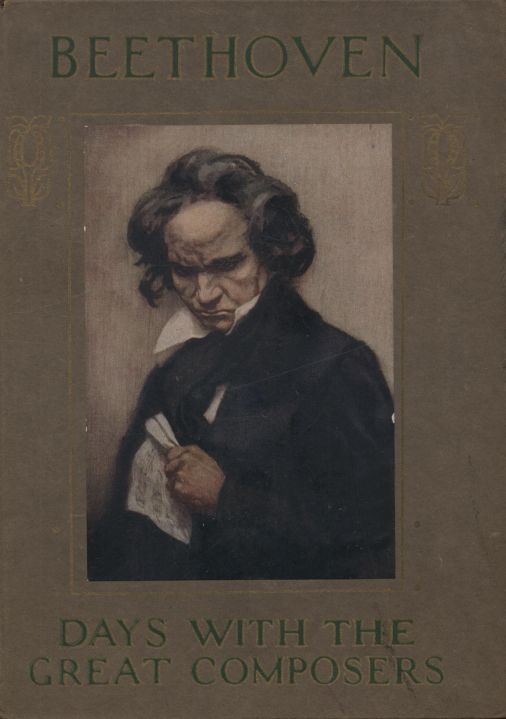 A Day with Ludwig Beethoven
by May Byron
A Day with Ludwig Beethoven
by May Byron