
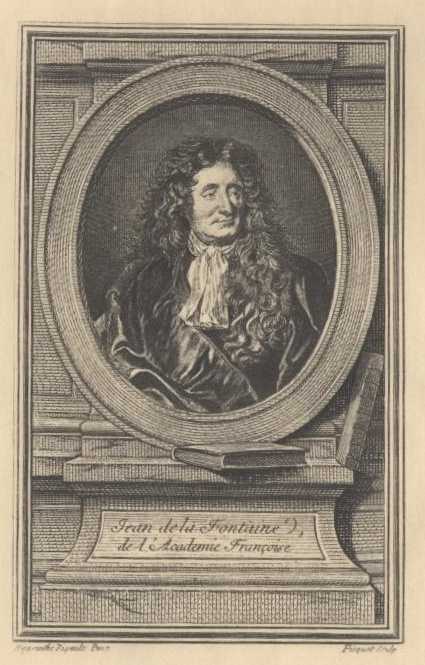
Original
THE simple Jane was sent to bring
Fresh water from the neighb'ring spring;
The matter pressed, no time to waste,
Jane took her jug, and ran in haste
The well to reach, but in her flurry
(The more the speed the worse the hurry),
Tripped on a rolling stone, and broke
Her precious pitcher,—ah! no joke!
Nay, grave mishap! 'twere better far
To break her neck than such a jar!
Her dame would beat and soundly rate her,
No way could Jane propitiate her.
Without a sou new jug to buy!
'Twere better far for her to die!
O'erwhelmed by grief and cruel fears
Unhappy Jane burst into tears
“I can't go home without the delf,”
Sobbed Jane, “I'd rather kill myself;
“So here am I resolved to die.”
A friendly neighbour passing by
O'erheard our damsel's lamentation;
And kindly offered consolation:
“If death, sweet maiden, be thy bent,
“I'll aid thee in thy sad intent.”
Throwing her down, he drew his dirk,
And plunged it in the maid,—a work
You'll say was cruel,—not so Jane,
Who even seemed to like the pain,
And hoped to be thus stabbed again.
Amid the weary world's alarms,
For some e'en death will have its charms;
“If this, my friend, is how you kill,
“Of breaking jugs I'll have my fill!”
TO PROMISE IS ONE THING
TO KEEP IT, ANOTHER
Original
JOHN courts Perrette; but all in vain;
Love's sweetest oaths, and tears, and sighs
All potent spells her heart to gain
The ardent lover vainly tries:
Fruitless his arts to make her waver,
She will not grant the smallest favour:
A ruse our youth resolved to try
The cruel air to mollify:—
Holding his fingers ten outspread
To Perrette's gaze, and with no dread
“So often,” said he, “can I prove,
“My sweet Perrette, how warm my love.”
When lover's last avowals fail
To melt the maiden's coy suspicions
A lover's sign will oft prevail
To win the way to soft concessions:
Half won she takes the tempting bait;
Smiles on him, draws her lover nearer,
With heart no longer obdurate
She teaches him no more to fear her—
A pinch,—a kiss,—a kindling eye,—
Her melting glances,—nothing said.—
John ceases not his suit to ply
Till his first finger's debt is paid.
A second, third and fourth he gains,
Takes breath, and e'en a fifth maintains.
But who could long such contest wage?
Not I, although of fitting age,
Nor John himself, for here he stopped,
And further effort sudden dropped.
Perrette, whose appetite increased
just as her lover's vigour ceased,
In her fond reckoning defeated,
Considered she was greatly cheated—
If duty, well discharged, such blame
Deserve; for many a highborn dame
Would be content with such deceit.
But Perrette, as already told,
Out of her count, began to scold
And call poor John an arrant cheat
For promising and not performing.
John calmly listened to her storming,
And well content with work well done,
Thinking his laurels fairly won,
Cooly replied, on taking leave:
“No cause I see to fume and grieve;
“Or for such trifle to dispute;
“To promise and to execute
“Are not the same, be it confessed,
“Suffice it to have done one's best;
“With time I'll yet discharge what's due;
“Meanwhile, my sweet Perrette, adieu!”
THE NIGHTINGALE
Original
NO easy matter 'tis to hold,
Against its owner's will, the fleece
Who troubled by the itching smart
Of Cupid's irritating dart,
Eager awaits some Jason bold
To grant release.
E'en dragon huge, or flaming steer,
When Jason's loved will cause no fear.
Duennas, grating, bolt and lock,
All obstacles can naught avail;
Constraint is but a stumbling block;
For youthful ardour must prevail.
Girls are precocious nowadays,
Look at the men with ardent gaze,
And longings' an infinity;
Trim misses but just in their teens
By day and night devise the means
To dull with subtlety to sleep
The Argus vainly set to keep
In safety their virginity.
Sighs, smiles, false tears, they'll fain employ
An artless lover to decoy.
I'll say no more, but leave to you,
Friend reader, to pronounce if true
What I've asserted when you have heard
How artful Kitty, caged her bird.
IN a small town in Italy,
The name of which I do not know,
Young Kitty dwelt, gay, pretty, free,
Varambon's child.—Boccacio
Omits her mother's name, which not
To you or me imports a jot.
At fourteen years our Kitty's charms
Were all that could be wished—plump arms,
A swelling bosom; on her cheeks
Roses' and lilies' mingled streaks,
A sparkling eye—all these, you know,
Speak well for what is found below.
With such advantages as these
No virgin sure could fail to please,
Or lack a lover; nor did Kate;
But little time she had to wait;
One soon appeared to seal her fate.
Young Richard saw her, loved her, wooed her—
What swain I ask could have withstood her?
Soft words, caresses, tender glances,
The battery of love's advances,
Soon lit up in the maiden's breast
The flame which his own heart possessed,
Soon growing to a burning fire
Of love and mutual desire.
Desire for what? My reader knows,
Or if he does not may suppose,
And not be very wond'rous wise.
When youthful lovers mingle sighs,
Believe me, friend, I am not wrong,
For one thing only do they long.
One check deferred our lover's bliss,
A thing quite natural, 'twas this:
The mother loved so well her child
That, fearful she might be beguiled,
She would not let her out of sight,
A single minute, day or night.
At mother's apron string all day
Kate whiled the weary hours away,
And shared her bed all night. Such love
In parents we must all approve,
Though Catherine, I must confess,
In place of so much tenderness
More liberty would have preferred.
To little girls maternal care
In such excess is right and fair,
But for a lass of fourteen years,
For whom one need have no such fears,
Solicitude is quite absurd,
And only bores her. Kitty could
No moment steal, do what she would,
To see her Richard. Sorely vexed
She was, and he still more perplexed.
In spite of all he might devise
A squeeze, a kiss, quick talk of eyes
Was all he could obtain, no more.
Bread butterless, a sanded floor,
It seemed no better. Joy like this
Could not suffice, more sterling bliss
Our lovers wished, nor would stop short
Till they'd obtained the thing they sought.
And thus it came about. One day
By chance they met, alone, away
From jealous parents. “What's the use;”
Said Richard, “of all our affection?
“Of love it is a rank abuse,
“And yields me nothing but dejection
“I see you without seeing you,
“Must always look another way,
“And if we meet I dare not stay,
“Must ev'ry inclination smother.
“I can't believe your love is true;
“I'll never own you really kind
“Unless some certain means you find
“For us to meet without your mother.”
Kate answered: “Were it not too plain
“How warm my love, another strain
“I would employ. In converse vain
“Let us not waste our moments few;
“But think what it were best to do.”
“If you will please me,” Robert said,
“You must contrive to change your bed,
“And have it placed—well, let me see—
“Moved to the outer gallery,
“Where you will be alone and free.
“We there can meet and chat at leisure
“While others sleep, nor need we fear,
“Of merry tales I have a treasure
“To tell, but cannot tell them here.”
Kate smiled at this for she knew well
What sort of tales he had to tell;
But promised she would do her best
And soon accomplish his request.
It was not easy, you'll admit,
But love lends foolish maidens wit;
And this is how she managed it.
The whole night long she kept awake,
Snored, sighed and kicked, as one possessed,
That parents both could get not rest,
So much she made the settle shake.
This is not strange. A longing girl,
With thoughts of sweetheart in her head,
In bed all night will sleepless twirl.
A flea is in her ear, 'tis said.
The morning broke. Of fleas and heat
Kitty complained. “Let me entreat,
“O mother, I may put my bed
“Out in the gallery,” she said,
“'Tis cooler there, and Philomel
“Who warbles in the neigh'bring dell
“Will solace me.” Ready consent
The simple mother gave, and went
To seek her spouse. “Our Kate, my dear,
“Will change her bed that she may hear
“The nightingale, and sleep more cool.”
“Wife,” said the good man, “You're a fool,
“And Kate too with her nightingale;
“Don't tell me such a foolish tale.
“She must remain. No doubt to-night
“Will fresher be. I sleep all right
“In spite of heat, and so can she.
“Is she more delicate than me?”
Incensed was Kate by this denial
After so promising a trial,
Nor would be beat, but firmly swore
To give more trouble than before.
That night again no wink she slept
But groaned and fretted, sighed and wept,
Upon her couch so tossed and turned,
The anxious mother quite concerned
Again her husband sought. “Our Kate
“To me seems greatly changed of late.
“You are unkind,” she said to him,
“To thwart her simple, girlish whim.
“Why may she not her bed exchange,
“In naught will it the house derange?
“Placed in the passage she's as near
“To us as were she lying here.
“You do not love your child, and will
“With your unkindness make her ill.”
“Pray cease,” the husband cried, “to scold
“And take your whim. I ne'er could hold
“My own against a screaming wife;
“You'll drive me mad, upon my life.
“Her belly-full our Kate may get
“Of nightingale or of linnet.”
The thing was settled. Kate obeyed,
And in a trice her bed was made,
And lover signalled. Who shall say
How long to both appeared that day,
That tedious day! But night arrived
And Richard too; he had contrived
By ladder, and a servant's aid,
To reach the chamber of the maid.
To tell how often they embraced,
How changed in form their tenderness,
Would lead to nothing but a waste
Of time, my readers will confess.
The longest, most abstruse discourse
Would lack precision, want the force
Their youthful ardour to portray.
To understand there's but one way—
Experience. The nightingale
Sang all night long his pleasing tale,
And though he made but little noise,
The lass was satisfied. Her joys
So exquisite that she averred
The other nightingale, the bird
Who warbles to the woods his bliss,
Was but an ass compared with this.
But nature could not long maintain
Of efforts such as these the strain;
Their forces spent, the lovers twain
In fond embrace fell fast asleep
Just as the dawn began to peep:
The father as he left his bed
By curiosity was led
To learn if Kitty soundly slept,
And softly to the passage crept.
“I'll see the influence,” he said,
“Of nightingale and change of bed.”
With bated breath, upon tip toes,
Close to the couch he cautious goes
Where Kitty lay in calm repose.
Excessive heat had made all clothes
Unbearable. The sleeping pair
Had cast them off, and lay as bare
As our first happy parents were
In Paradise. But in the place
Of apple, in her willing hand
Kate firmly grasp the magic wand
Which served to found the human race,
The which to name were a disgrace,
Though dames the most refined employ it;
Desire it, and much enjoy it,
If good Catullus tells us true.
The father scarce believed his view,
But keeping in his bosom pent
His anger, to his wife he went,
And said, “Get up, and come with me.
“At present I can plainly see
“Why Kate had such anxiety
“To hear the nightingale, for she
“To catch the bird so well has planned
“That now she holds him in her hand.”
The mother almost wept for glee.
“A nightingale, oh! let me see.
“How large is he, and can he sing,
“And will he breed, the pretty thing?
“How did she catch him, clever child?”
Despite his grief the good man smiled.
“Much more than you expect you'll see.
“But hold your tongue, and come with me;
“For if your chattering is heard,
“Away will fly the timid bird;
“And you will spoil our daughter's game.”
Who was surprised? It was the dame.
Her anger burst into a flame
As she the nightingale espied
Which Kitty held; she could have cried,
And scolded, called her nasty slut,
And brazen hussey, bitch, and—but
Her husband stopped her. “What's the use
“Of all your scolding and abuse?
“The mischief's done, in vain may you
“From now till doomsday fret and stew,
“Misfortune done you can't undo,
“But something may be done to mend:
“For notary this instant send,
“Bid holy priest and mayor attend.
“For their good offices I wait
“To set this nasty matter straight.”
As he discoursed, Richard awoke,
And seeing that the sun had broke,
These troubled words to Kitty spoke
“Alas, my love, 'tis broad day light,
“How can I now effect my flight?”
“All will go well,” rejoined the sire,
“I will not grumble, my just ire
“Were useless here; you have committed
“A wrong of which to be acquitted,
“Richard, there is one only way,
“My child you wed without delay.
“She's well brought up, young, full of health
“If fortune has not granted wealth,
“Her beauty you do not deny,
“So wed her, or prepare to die.”
To hesitate in such a case
Would surely have been out of place
The girl he loved to take to wife,
Or in his prime to lose his life,
The point in truth needs no debate,
Nor did our Richard hesitate.
Besides, the most supreme delight
Of life he'd tasted one short night,
But one, in lovely Kitty's arms;
Could he so soon resign her charms!
While Richard, pleased with his escape
From what he feared an awkward scrape,
Was dreaming of his happy choice,
Our Kitty, by her father's voice
Awakened, from her hand let go
The cause of all her joy and woe,
And round her naked beauties wound
The sheet picked up from off the ground:
Meanwhile the notary appears
To put an end to all their fears.
They wrote, they signed, the sealed—and thus
The wedding ended free from fuss.
They left the happy couple there.
His satisfaction to declare,
Thus spoke their father to the pair:
“Take courage, children, have no care;
“The nightingale in cage is pent,
“May sing now to his heart's content.”
Original
EPITAPH OF LA FONTAINE
MADE BY HIMSELF
JOHN, as he came, so went away,
Consuming capital and pay,
Holding superfluous riches cheap;
The trick of spending time he knew,
Dividing it in portions two,
For idling one, and one for sleep.
THE END.
PG EDITOR'S BOOKMARKS
A pretty wife? Beware the monks as you would guard your life
Above all law is might
Avoid attorneys, if you comfort crave
But reason 's fruitless, with a soul on fire
By others do The same as you would like they should by you
Caresses lavish, and you'll find return
Criticism never stops short nor ever wants for subjects
Delays are dangerous, in love or war
Ev'ry grave's the same
Extremes in ev'ry thing will soonest tire
Favours, when conferred with sullen air, But little gratify
Few ponder long when they can dupe with ease
Fools or brutes, With whose ideas reason never suits
He who loves would fain be loved as well
He, who laughs, is always well received
Her doll, for thought, was just as well designed
Historick writ
How could he give what he had never got?
In childhood FEAR 's the lesson first we know!
In country villages each step is seen
In the midst of society, he was absent from it
Monks are knaves in Virtue's mask
No folly greater than to heighten pain
No grief so great, but what may be subdued
No pleasure's free from care you may rely
Not overburdened with a store of wit
Of't what we would not, we're obliged to do
Opportunity you can't discern—prithee go and learn
Perhaps one half our bliss to chance we owe
Possession had his passion quite destroyed
Regarded almost as an imbecile by the crowd
Removed from sight, but few for lovers grieve
Sight of meat brings appetite about
Some ostentation ever is with grief
The eyes:— Soul-speaking language, nothing can disguise
The god of love and wisdom ne'er agree
The less of such misfortunes said is best
The more of this I think, the less I know
The plaint is always greater than the woe
The promises of kings are airy dreams
The wish to please is ever found the same
Those who weep most the soonest gain relief
Though expectations oft away have flown
Tis all the same:—'twill never make me grieve
Tis past our pow'r to live on love or air
To avoid the tempting bit, 'Tis better far at table not to sit
Too much you may profess
Twere wrong with hope our fond desires to feed
Was always wishing distant scenes to know
We scarcely good can find without alloy
When husbands some assistance seemed to lack
When mourning 's nothing more than change of dress
When passion prompts, few obstacles can clog
While good, if spoken, scarcely is believed
Who knows too much, oft shows a want of sense
Who only make friends in order to gain voices in their favour
Who would wish to reduce Boccaccio to the same modesty as Virgil
Who, born for hanging, ever yet was drowned?
Wife beautiful, witty and chaste woman, who drove him to despair
You little dream for whom you guard the store