

The Affecting Case of the Unfortunate Thomas Daniels / Who Was Tried at the Sessions Held at the Old Bailey, September, 1761, for the Supposed Murder of His Wife; by Casting Her out of a Chamber Window: and for Which He Was Sentenced to Die, but Received His Majesty's Most Gracious and Free Pardon.
Explore more books like this:
About This Book
A convicted man presents his sworn, first-person narrative recounting his courtship and cohabitation with a woman, the domestic tensions that ensued, the circumstances of her death after falling from a chamber window, and the subsequent trial at the Old Bailey that resulted in a death sentence followed by a royal pardon. The pamphlet pairs an introductory defense of his character with a chronological, detailed account of events, trial depositions, and the author’s appeal for public sympathy and removal of lingering prejudices against him.
About the Author

You May Also Like
6 picks
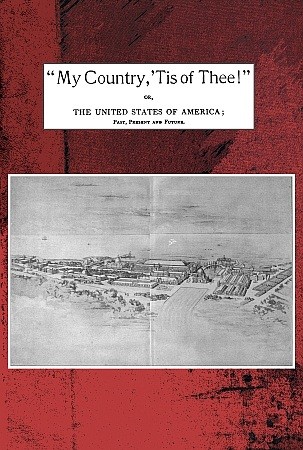 "My country, 'tis of thee!" / Or, the United States of America; past, present and future. A philosophic view of American history and of our present status, to be seen in the Columbian exhibition.
by Willis Fletcher Johnson
"My country, 'tis of thee!" / Or, the United States of America; past, present and future. A philosophic view of American history and of our present status, to be seen in the Columbian exhibition.
by Willis Fletcher Johnson
 "Their Majesties' Servants." Annals of the English Stage (Volume 3 of 3)
by Dr. Doran
"Their Majesties' Servants." Annals of the English Stage (Volume 3 of 3)
by Dr. Doran
 1811 Dictionary of the Vulgar Tongue
by Francis Grose
1811 Dictionary of the Vulgar Tongue
by Francis Grose
 A Beginner's History of Philosophy, Vol. 2: Modern Philosophy
by Herbert Ernest Cushman
A Beginner's History of Philosophy, Vol. 2: Modern Philosophy
by Herbert Ernest Cushman
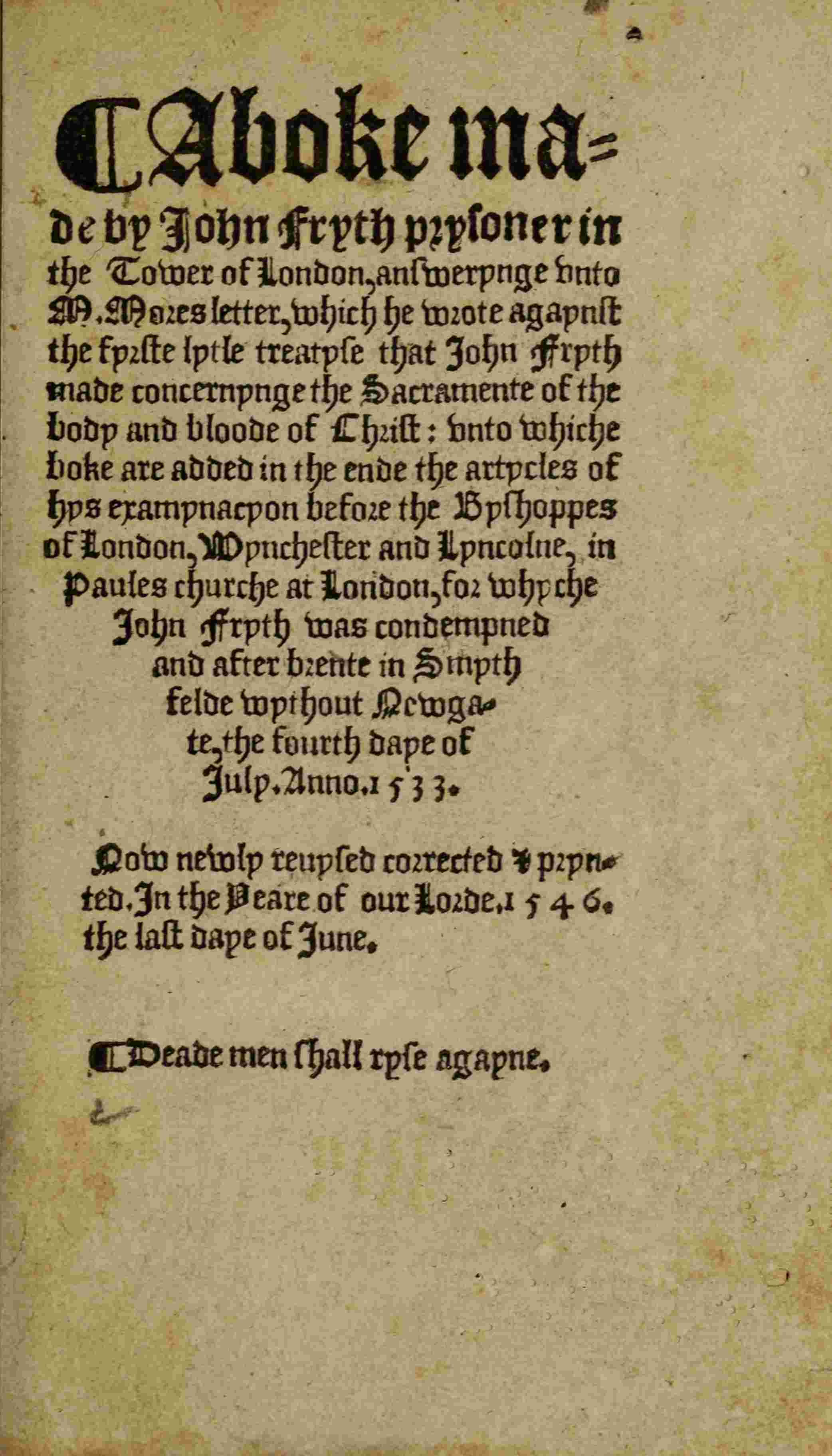 A boke made by John Fryth, prysoner in the Tower of London / answerynge unto M. Mores letter, which he wrote agaynst the fyrste lytle treatyse that John Fryth made, concernynge the sacramente of the body and bloude of Christ
by John Frith
A boke made by John Fryth, prysoner in the Tower of London / answerynge unto M. Mores letter, which he wrote agaynst the fyrste lytle treatyse that John Fryth made, concernynge the sacramente of the body and bloude of Christ
by John Frith
 A Brief Account of the Destruction of the Indies / Or, a faithful NARRATIVE OF THE Horrid and Unexampled Massacres, Butcheries, and all manner of Cruelties, that Hell and Malice could invent, committed by the Popish Spanish Party on the inhabitants of West-India, TOGETHER With the Devastations of several Kingdoms in America by Fire and Sword, for the space of Forty and Two Years, from the time of its first Discovery by them.
by Bartolomé de las Casas
A Brief Account of the Destruction of the Indies / Or, a faithful NARRATIVE OF THE Horrid and Unexampled Massacres, Butcheries, and all manner of Cruelties, that Hell and Malice could invent, committed by the Popish Spanish Party on the inhabitants of West-India, TOGETHER With the Devastations of several Kingdoms in America by Fire and Sword, for the space of Forty and Two Years, from the time of its first Discovery by them.
by Bartolomé de las Casas