

The Art of Iugling or Legerdemaine / Wherein is Deciphered All the Conueyances of Legerdemaine and Iugling, How They Are Effected, and Wherin They Chiefly Consist; Cautions to Beware of Cheating at Cardes and Dice, the Detection of the Beggerly Art of Alcumistry, and the Foppery of Foolish Cousoning Charmes, All Tending to Mirth and Recreation, Especially for Those That Desire to Haue the Insight and Priuate Practise Thereof
Explore more books like this:
About This Book
This work assembles practical descriptions of sleight-of-hand, card and dice devices, street cons, and theatrical legerdemain, accompanied by step-by-step instructions, warnings about cheating, and techniques for detecting impostures such as bogus alchemy and phony charms. It offers historical background on itinerant tricksters and the evolution of their methods, reflections on ethics and entertainment, and advice for private practice as well as exposing common tricks used against the gullible. The tone blends technical explanation with moral caution and amusement, aiming to instruct readers while promoting recreation.
About the Author

You May Also Like
6 picks
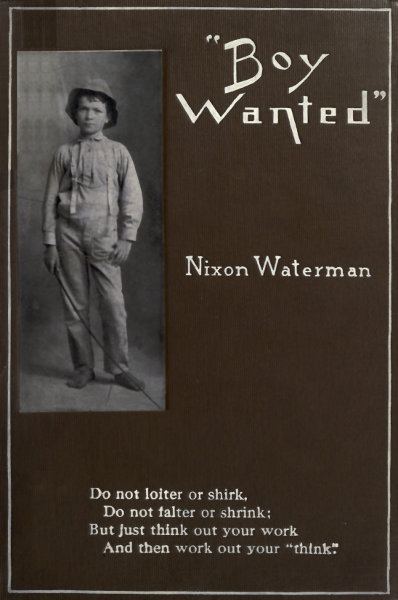 "Boy Wanted": A Book of Cheerful Counsel
by Nixon Waterman
"Boy Wanted": A Book of Cheerful Counsel
by Nixon Waterman
 "Impromptu"; or, How to Think on Your Feet
by Grenville Kleiser
"Impromptu"; or, How to Think on Your Feet
by Grenville Kleiser
 "Stops", Or How to Punctuate / A Practical Handbook for Writers and Students
by Paul Allardyce
"Stops", Or How to Punctuate / A Practical Handbook for Writers and Students
by Paul Allardyce
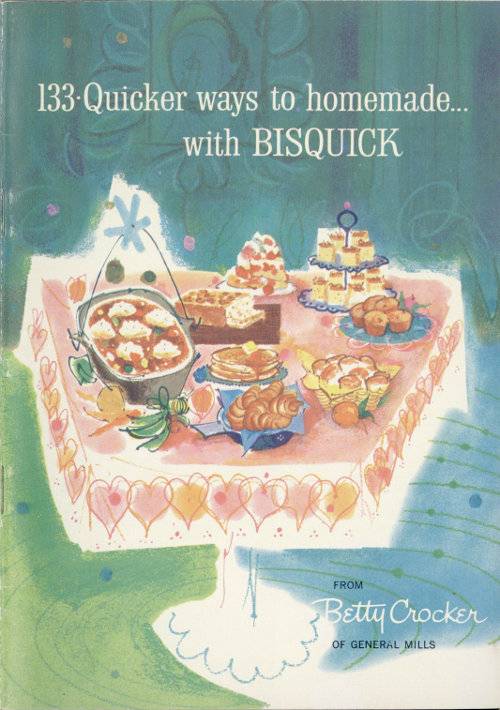 133 Quicker Ways to Homemade, with Bisquick
by Betty Crocker
133 Quicker Ways to Homemade, with Bisquick
by Betty Crocker
 A "Bawl" for American Cricket
by Jones Wister
A "Bawl" for American Cricket
by Jones Wister
 A Book for All Readers / An Aid to the Collection, Use, and Preservation of Books and the Formation of Public and Private Libraries
by Ainsworth Rand Spofford
A Book for All Readers / An Aid to the Collection, Use, and Preservation of Books and the Formation of Public and Private Libraries
by Ainsworth Rand Spofford