
WeRead Powered by ReaderPub
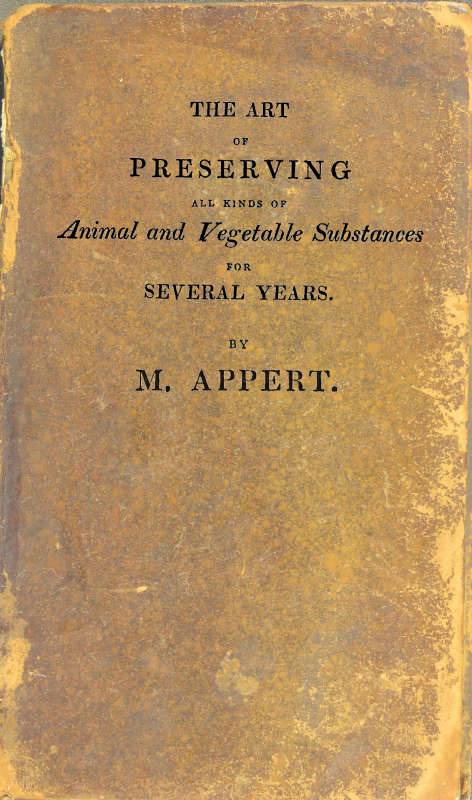
The Art of Preserving All Kinds of Animal and Vegetable Substances for Several Years, 2nd ed. / A work published by the order of the French minister of the interior, on the report of the Board of arts and manufactures cover

The Art of Preserving All Kinds of Animal and Vegetable Substances for Several Years, 2nd ed. / A work published by the order of the French minister of the interior, on the report of the Board of arts and manufactures

Chapter 50: § XLVI. French Beans. (Haricots.)
Open in WeRead

About This Book

A practical manual that presents a systematic method for preserving animal and vegetable foods for extended periods by combining controlled heating, container selection, and airtight sealing. It supplies detailed descriptions of workshops, vessels, bottles, corks, and the tools and techniques for securing and testing closures. The text offers step-by-step procedures and recipes covering meats, broths, eggs, dairy, a wide range of vegetables and fruits, juices, syrups, jams, and related preparations. It also explains how preserved items are later used in soups, jellies, and other dishes and discusses practical considerations for household and naval provisioning. The work closes with certificates, reports, and observations assessing the process and its practical benefits.

§ XLVI.
French Beans.
(Haricots.)

I scald French beans (haricots verts,) as if they were fresh in water, with a little salt when not sufficiently dressed by the preserving process. This often happens to them as well as to artichokes, asparagus and cauliflowers. If sufficiently boiled, on being taken out of the bottles, I have only to wash them in hot water in order to prepare them afterwards for vegetable or meat soup.

I scald in the same way the beans of the haricot blanc; when sufficiently dressed, I take them from the fire and leave them in the boiling water, half an hour, and even an hour, in order to render them more tender: I then prepare them for soup.