

The Augsburg Confession / The confession of faith, which was submitted to His Imperial Majesty Charles V at the diet of Augsburg in the year 1530
Explore more books like this:
About This Book
This confession of faith, presented to the imperial authority at the Diet of Augsburg, systematically sets out twenty-eight articles that summarize Protestant doctrinal positions and identify ecclesiastical abuses proposed for reform. It opens with fundamental theological statements on God, sin, Christ, and justification, then addresses the ministry, sacraments, church order, and Christian life, including baptism, the Lord's Supper, repentance, and good works. Later articles review corrected practices such as clerical marriage, the Mass, confession, monastic vows, and clerical authority, and conclude with remarks on civil affairs and the second coming. The tone is declarative and conciliatory, aiming to explain beliefs and propose measured reforms within the church.
About the Author

More Books by This Author


You May Also Like
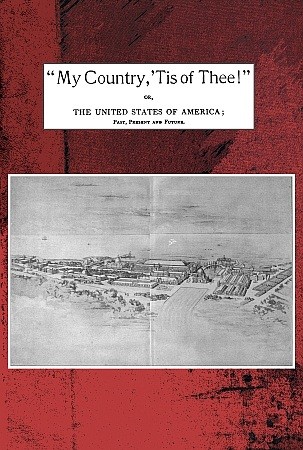 "My country, 'tis of thee!" / Or, the United States of America; past, present and future. A philosophic view of American history and of our present status, to be seen in the Columbian exhibition.
by Willis Fletcher Johnson
"My country, 'tis of thee!" / Or, the United States of America; past, present and future. A philosophic view of American history and of our present status, to be seen in the Columbian exhibition.
by Willis Fletcher Johnson
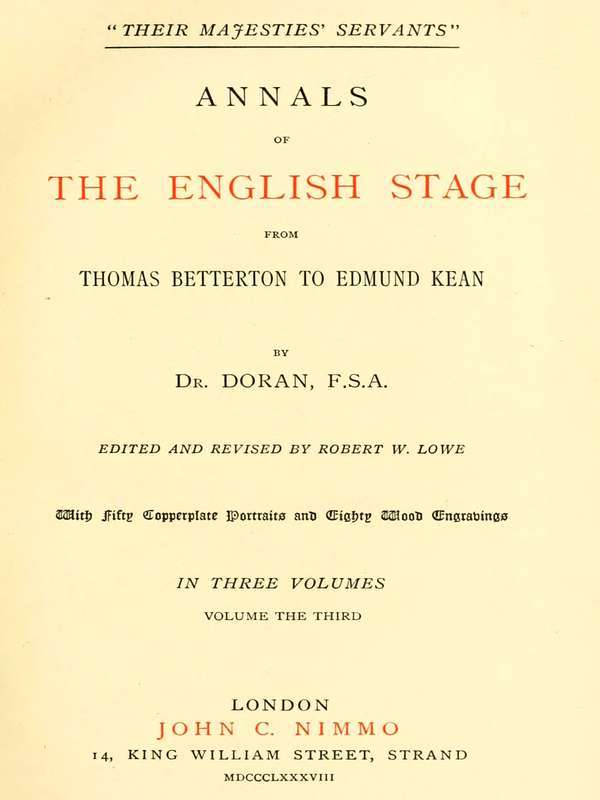 "Their Majesties' Servants." Annals of the English Stage (Volume 3 of 3)
by Dr. Doran
"Their Majesties' Servants." Annals of the English Stage (Volume 3 of 3)
by Dr. Doran
 1811 Dictionary of the Vulgar Tongue
by Francis Grose
1811 Dictionary of the Vulgar Tongue
by Francis Grose
 A Beginner's History of Philosophy, Vol. 2: Modern Philosophy
by Herbert Ernest Cushman
A Beginner's History of Philosophy, Vol. 2: Modern Philosophy
by Herbert Ernest Cushman
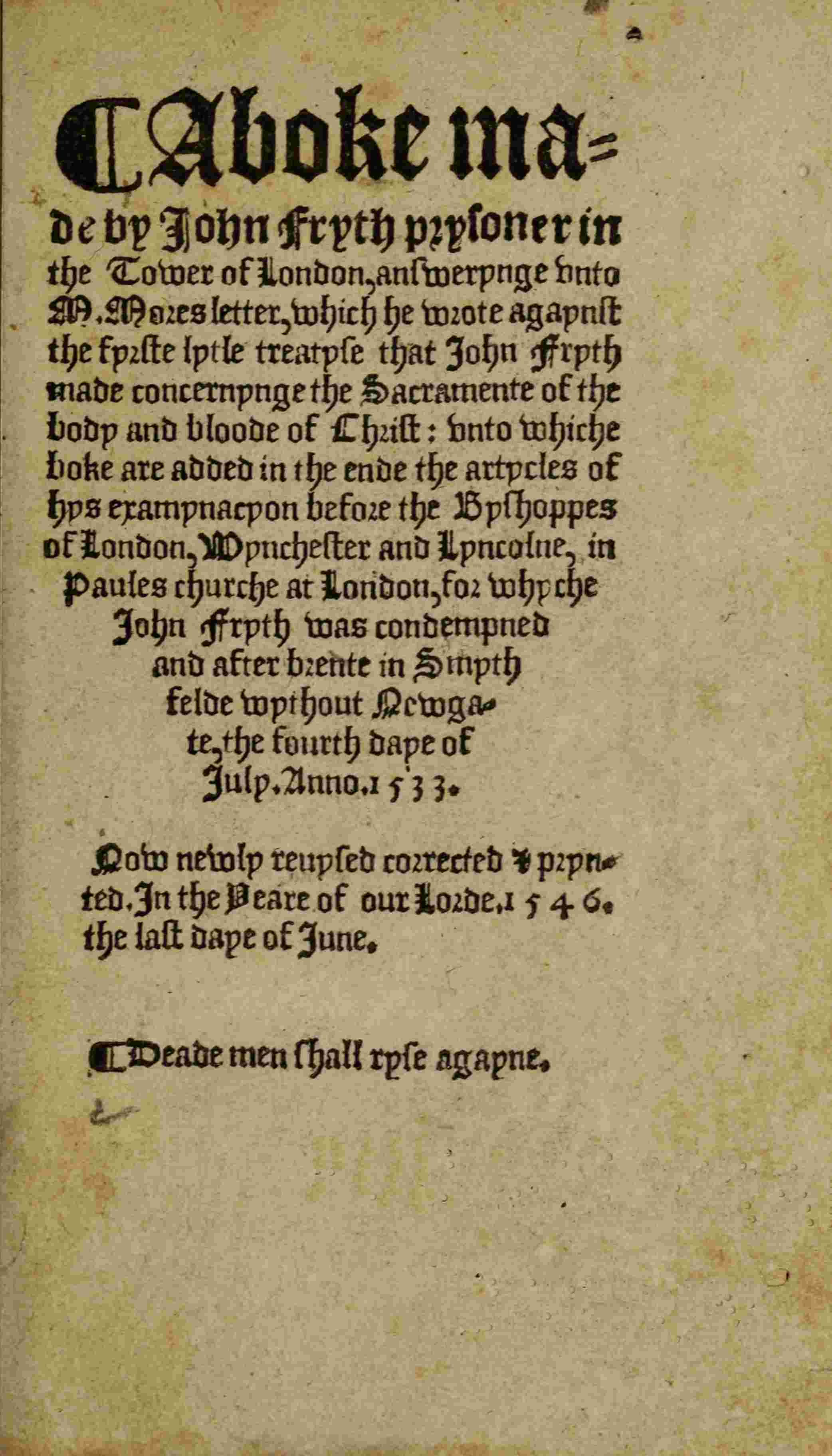 A boke made by John Fryth, prysoner in the Tower of London / answerynge unto M. Mores letter, which he wrote agaynst the fyrste lytle treatyse that John Fryth made, concernynge the sacramente of the body and bloude of Christ
by John Frith
A boke made by John Fryth, prysoner in the Tower of London / answerynge unto M. Mores letter, which he wrote agaynst the fyrste lytle treatyse that John Fryth made, concernynge the sacramente of the body and bloude of Christ
by John Frith
 A Brief Account of the Destruction of the Indies / Or, a faithful NARRATIVE OF THE Horrid and Unexampled Massacres, Butcheries, and all manner of Cruelties, that Hell and Malice could invent, committed by the Popish Spanish Party on the inhabitants of West-India, TOGETHER With the Devastations of several Kingdoms in America by Fire and Sword, for the space of Forty and Two Years, from the time of its first Discovery by them.
by Bartolomé de las Casas
A Brief Account of the Destruction of the Indies / Or, a faithful NARRATIVE OF THE Horrid and Unexampled Massacres, Butcheries, and all manner of Cruelties, that Hell and Malice could invent, committed by the Popish Spanish Party on the inhabitants of West-India, TOGETHER With the Devastations of several Kingdoms in America by Fire and Sword, for the space of Forty and Two Years, from the time of its first Discovery by them.
by Bartolomé de las Casas