
About This Book
A systematic psychological examination of crowd phenomena analyzes how groups form, lose individual responsibility, and adopt uniform modes of thought. Drawing on psychoanalytic ideas, the work argues that many crowd traits stem from unconscious motivations, self-deception, and simplified impulses such as hate and absolutist belief. It traces the progression from routine mobs to revolutionary movements, shows how one form of crowd-tyranny can replace another, and considers implications for politics and civil liberty. The conclusion proposes education grounded in humanist habits of thought as the primary means to weaken crowd-thinking and to cultivate independent judgment.
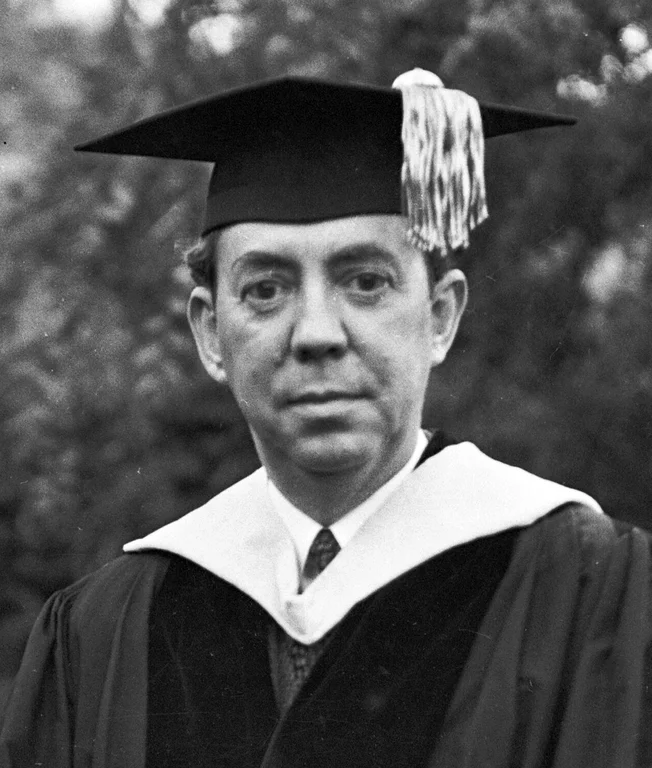
About the Author
More Books by This Author
1 picks

You May Also Like
6 picks
 A Beginner's Psychology
by Edward Bradford Titchener
A Beginner's Psychology
by Edward Bradford Titchener
 A Compendium on the Soul
by Avicenna
A Compendium on the Soul
by Avicenna
 A Defence of the Inquiry into Mesmerism & Phrenology / chiefly in relation to recent events in Lynn
by William Armes
A Defence of the Inquiry into Mesmerism & Phrenology / chiefly in relation to recent events in Lynn
by William Armes
 A Dominie in Doubt
by Alexander Sutherland Neill
A Dominie in Doubt
by Alexander Sutherland Neill
 A General Introduction to Psychoanalysis
by Sigmund Freud
A General Introduction to Psychoanalysis
by Sigmund Freud
 A Letter to the Right Honorable the Lord Chancellor, on the Nature and Interpretation of Unsoundness of Mind, and Imbecility of Intellect
by John Haslam
A Letter to the Right Honorable the Lord Chancellor, on the Nature and Interpretation of Unsoundness of Mind, and Imbecility of Intellect
by John Haslam