

About This Book
A concise, illustrated examination of how human voice is produced and neurally controlled, combining anatomical detail with neurological explanation. It describes the vocal instrument in three parts—the respiratory bellows, the laryngeal reed, and the resonating and articulating cavities—and explains the three musical qualities of loudness, pitch, and timbre. Clear anatomical accounts cover laryngeal cartilages and muscles, vocal cord vibration and register shifts, and voluntary breath control and articulation. The text then connects these mechanisms to brain function, treating localisation of speech centres, neuronal pathways, the mental revival of words, and the effects of cerebral lesions and deafness on speech, illustrated by clinical cases and multiple diagrams.
About the Author

You May Also Like
 A Book of Operas: Their Histories, Their Plots, and Their Music
by Henry Edward Krehbiel
A Book of Operas: Their Histories, Their Plots, and Their Music
by Henry Edward Krehbiel
 A book of the west. Volume 1, Devon
by S. Baring-Gould
A book of the west. Volume 1, Devon
by S. Baring-Gould
 A Complete History of Music / for Schools, Clubs, and Private Reading
by W. J. Baltzell
A Complete History of Music / for Schools, Clubs, and Private Reading
by W. J. Baltzell
 A Croatian composer
by W. H. Hadow
A Croatian composer
by W. H. Hadow
 A Day with Felix Mendelssohn Bartholdy
by George Sampson
A Day with Felix Mendelssohn Bartholdy
by George Sampson
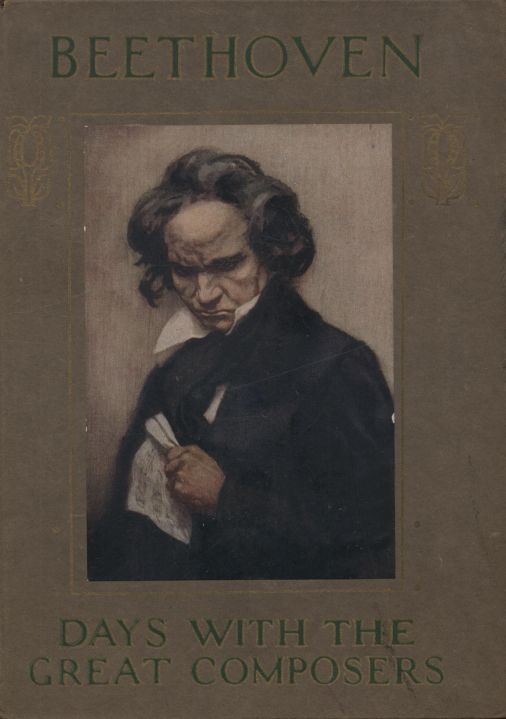 A Day with Ludwig Beethoven
by May Byron
A Day with Ludwig Beethoven
by May Byron