
WeRead Powered by ReaderPub
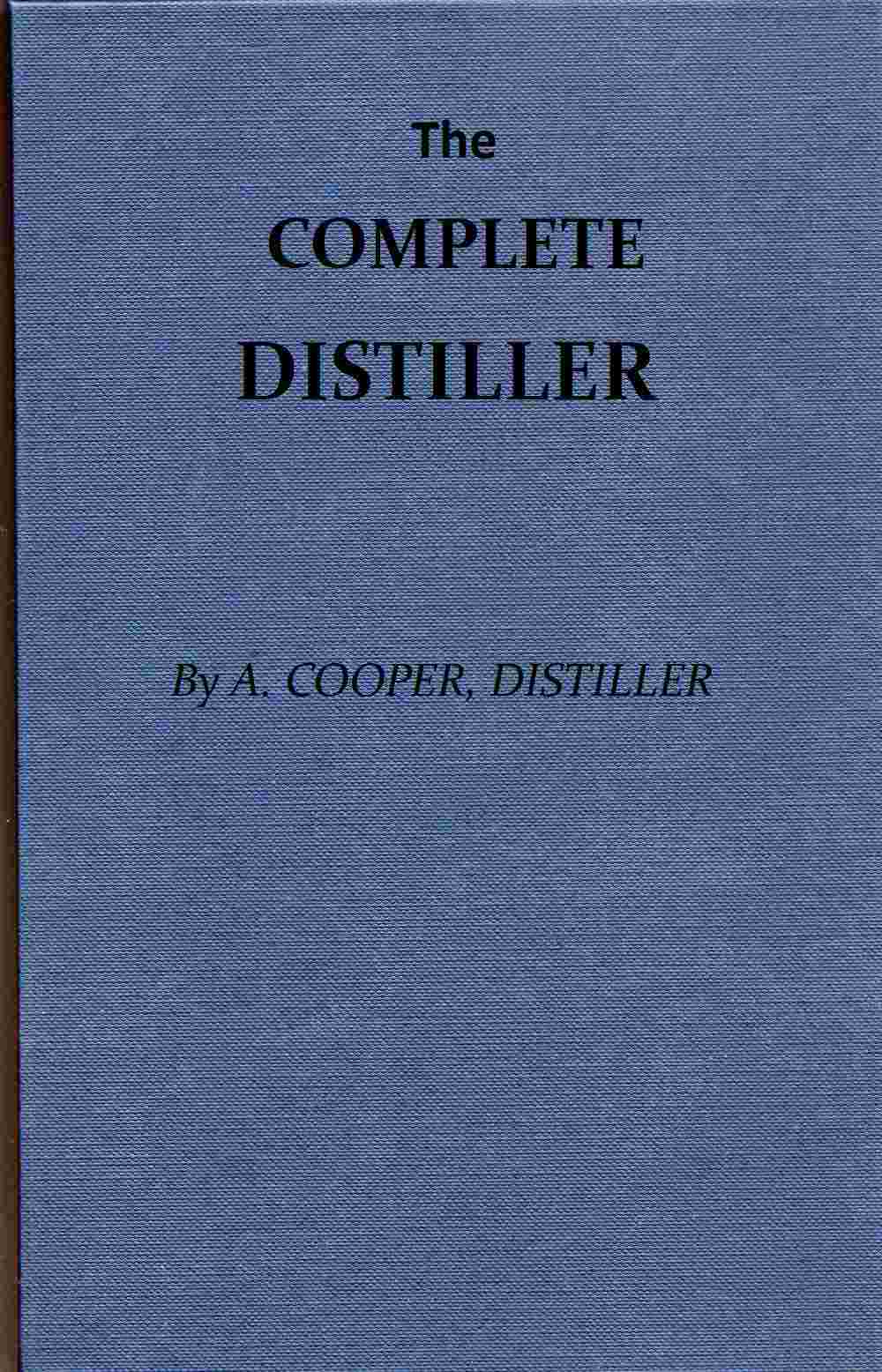
The Complete Distiller / Containing, I. The method of performing the various processes of distillation, with descriptions of the several instruments: the whole doctrine of fermentation: the manner of drawing spirits from malt, raisins, molasses, sugar, &c. and of rectifying them: with instructions for imitating, to the greatest perfection, both the colour and flavour of French brandies. II. The manner of distilling all kinds of simple waters from plants, flowers, &c. III. The method of making all the compound waters and rich cordials so largely imported from France and Italy; as likewise all those now made in Great Britain. To which are added, accurate descriptions of the several drugs, plants, flowers, fruits, &c. used by distillers, and instructions for chusing the best of each kind... cover

The Complete Distiller / Containing, I. The method of performing the various processes of distillation, with descriptions of the several instruments: the whole doctrine of fermentation: the manner of drawing spirits from malt, raisins, molasses, sugar, &c. and of rectifying them: with instructions for imitating, to the greatest perfection, both the colour and flavour of French brandies. II. The manner of distilling all kinds of simple waters from plants, flowers, &c. III. The method of making all the compound waters and rich cordials so largely imported from France and Italy; as likewise all those now made in Great Britain. To which are added, accurate descriptions of the several drugs, plants, flowers, fruits, &c. used by distillers, and instructions for chusing the best of each kind...

Chapter 193: Recipe for making a Gallon of Honey Water.
Open in WeRead

Explore more books like this:

About This Book

The treatise delivers a practical, step‑by‑step manual for producing spirits, simple floral waters, and compound cordials, combining methods of fermentation, brewing, distillation apparatus, and rectification. It describes how to draw alcohol from malt, fruits, molasses, and sugars, offers techniques for imitating continental brandy colours and flavours, and gives recipes adapted to both commercial distillers and domestic practitioners. Supplementary sections explain selection and preparation of botanical ingredients, the virtues and uses of preparations, and principles behind processes so readers can refine technique and scale recipes for small batches.

CHAP. LVII.
Of Honey Water.

This Water has its Name from the Honey in its Composition; tho’ that Ingredient is but of very little Service to the Water, if made according to the usual Method.

Recipe for making a Gallon of Honey Water.

Take of the best Honey and Coriander-seeds, of each one Pound; Cloves, one Ounce and a Half; Nutmegs and Gum Benjamin, of each an Ounce; Vanilloes Number four. The yellow Rind of three large Lemons: Bruise the Cloves, Nutmegs, Coriander-seed, and Benjamin; cut the Vanilloes in pieces, and put all into a Glass Alembic, with one Gallon of clean rectified Spirit, and after digesting forty eight Hours, draw off the Spirit in Balneum Mariæ. To a Gallon of the above Spirit, add of damask Rose Water and Orange-flower Water, of each a Pound and a Half; Musk and Ambergrise of each five Grains. Grind the Musk and Ambergrise with some of the Water in a Glass Mortar, and afterwards put all together into a digesting Vessel, shaking them well together, and let them circulate three Days and three Nights in a gentle Heat: Then let all cool; filter and keep the Water in Bottles well stopped for use.

This Water was first made by that faithful Chemist Mr. George Wilson, for King James II. It is an Antiparalitic, smooths the Skin, and gives one of the most agreeable Scents imaginable. Forty or sixty Drops put into a Pint of clean Water, are sufficient for washing the Hands and Face; and the same Proportion to Punch, or any Cordial Water, gives a very agreeable Flavour.