
The composition of Indian geographical names, illustrated from the Algonkin languages
Explore more books like this:
About This Book
The essay argues that Indigenous Algonkin place-names are meaningful compounds rather than arbitrary labels, each preserving its root sense. It outlines common descriptive purposes—topography, historic events, local resources or animals, and directional relationships—and notes that identical names could apply to distinct but unambiguous sites. Names are classified into three structural types: adjectival plus substantival elements often with locative suffixes, single substantivals with locatives, and verb-derived participials indicating where an action occurs. Analyses draw on Massachusett/Natick, Abnaki, Lenape, Chippewa, and Cree examples, explaining morphemes such as those for land and locative endings and showing how English adoption often altered original forms and meanings.
About the Author
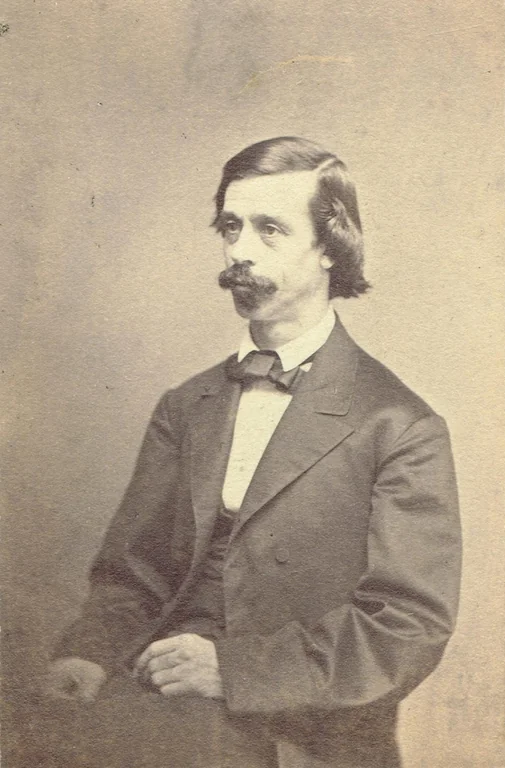
More Books by This Author

You May Also Like
 "Five-Head" Creek; and Fish Drugging in the Pacific / 1901
by Louis Becke
"Five-Head" Creek; and Fish Drugging in the Pacific / 1901
by Louis Becke
 "Pennsylvania Dutch," and other essays
by Phebe Earle Gibbons
"Pennsylvania Dutch," and other essays
by Phebe Earle Gibbons
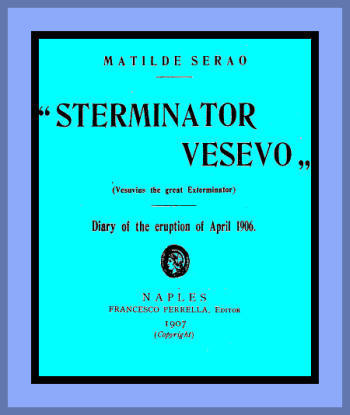 "Sterminator Vesevo" (Vesuvius the great exterminator) / Diary of the Eruption of April 1906
by Matilde Serao
"Sterminator Vesevo" (Vesuvius the great exterminator) / Diary of the Eruption of April 1906
by Matilde Serao
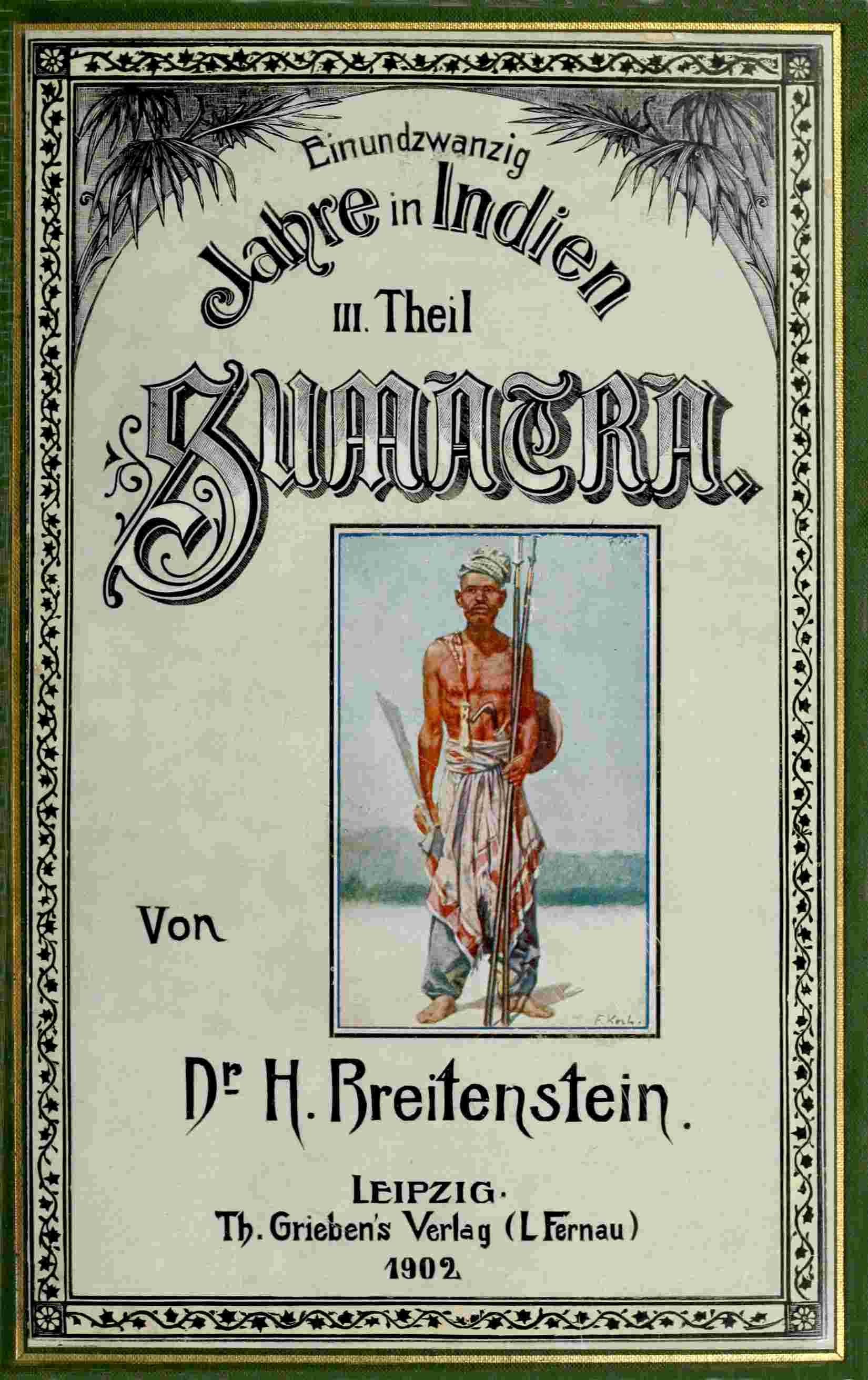 21 Jahre in Indien. Dritter Theil: Sumatra.
by Heinrich Breitenstein
21 Jahre in Indien. Dritter Theil: Sumatra.
by Heinrich Breitenstein
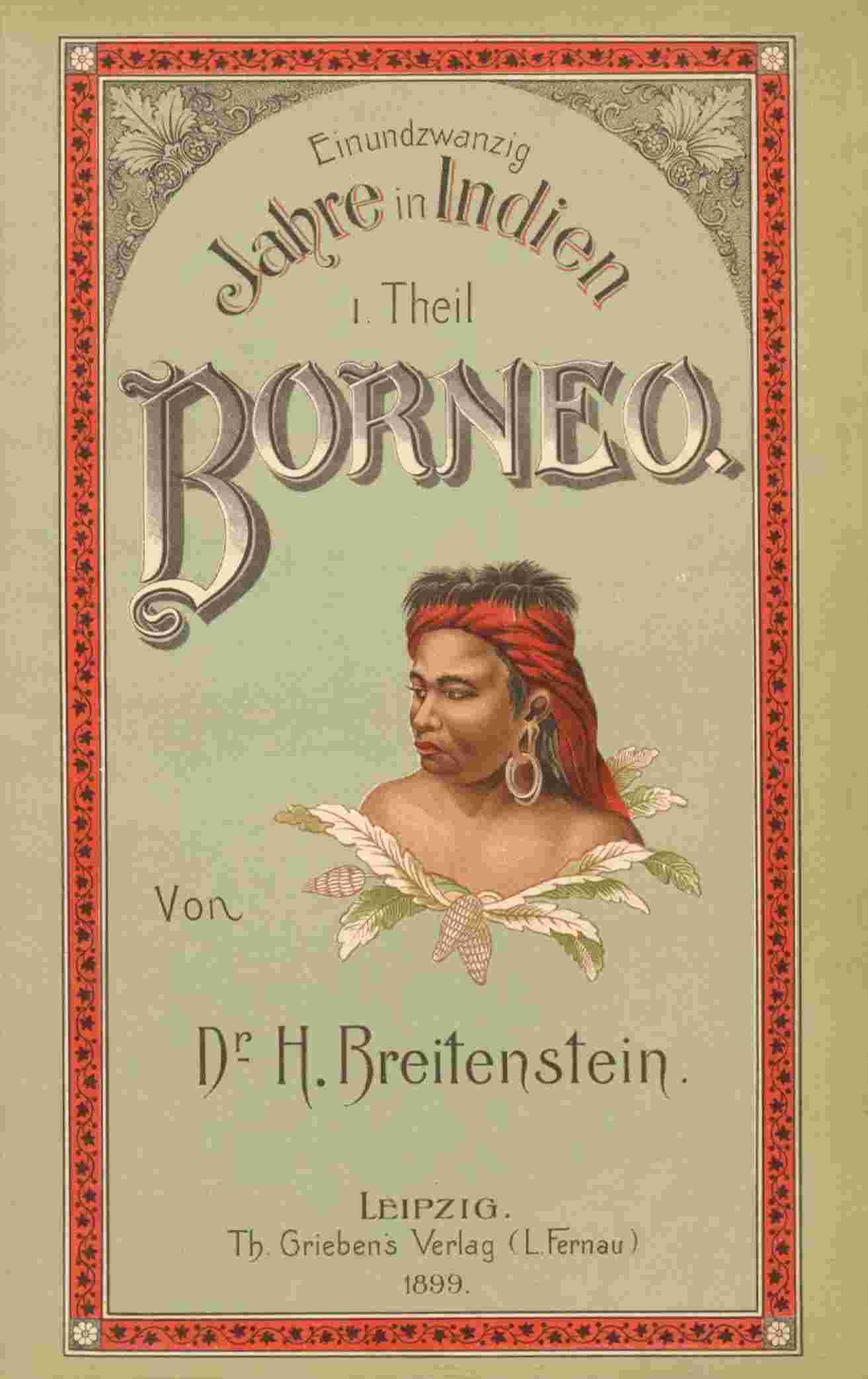 21 Jahre in Indien. Erster Theil: Borneo.
by Heinrich Breitenstein
21 Jahre in Indien. Erster Theil: Borneo.
by Heinrich Breitenstein
 A Bakony (1. kötet)
by Károly Eötvös
A Bakony (1. kötet)
by Károly Eötvös