

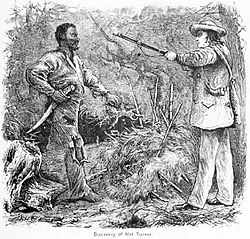
The Confessions of Nat Turner / The Leader of the Late Insurrections in Southampton, Va. As Fully and Voluntarily Made to Thomas R. Gray, in the Prison Where He Was Confined, and Acknowledged by Him to be Such when Read Before the Court of Southampton; With the Certificate, Under Seal of the Court Convened at Jerusalem, Nov. 5, 1831, For His Trial. Also, an Authentic Account of the Whole Insurrection.
Explore more books like this:
About This Book
The text presents a recorded confession by an enslaved man who led a violent uprising in a Virginia county, detailing his reported religious visions, long-planned organization, and the sequence of attacks along with his stated motives. It recounts his capture and trial, includes an editorial preface by the recorder that frames the narrative for the public, and appends official court certification. Also included are lists naming white victims and enslaved people brought before the court and sentenced. The work combines first-person testimony with legal and editorial materials to relate the origins, execution, and immediate aftermath of the insurrection.
About the Author
You May Also Like
6 picks
 "Billy" Sunday, the Man and His Message / With his own words which have won thousands for Christ
by William T. Ellis
"Billy" Sunday, the Man and His Message / With his own words which have won thousands for Christ
by William T. Ellis
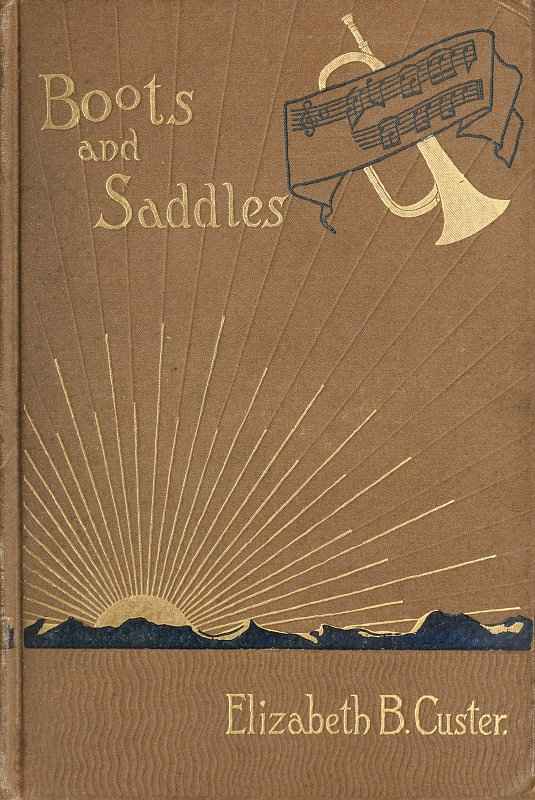 "Boots and Saddles"; Or, Life in Dakota with General Custer
by Elizabeth Bacon Custer
"Boots and Saddles"; Or, Life in Dakota with General Custer
by Elizabeth Bacon Custer
 "Born of the Spirit;" or, Gems from the Book of Life
by Zenas Osborne
"Born of the Spirit;" or, Gems from the Book of Life
by Zenas Osborne
 "Brother Bosch", an Airman's Escape from Germany
by Gerald Featherstone Knight
"Brother Bosch", an Airman's Escape from Germany
by Gerald Featherstone Knight
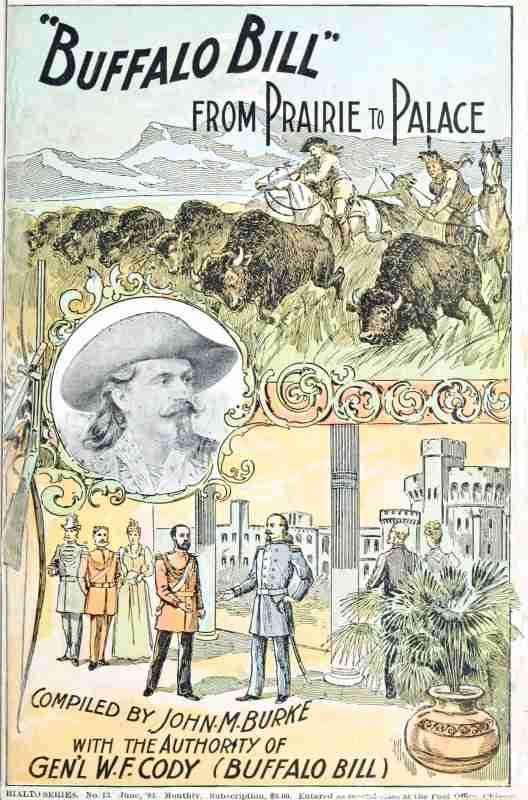 "Buffalo Bill" from Prairie to Palace: An Authentic History of the Wild West
by John M. Burke
"Buffalo Bill" from Prairie to Palace: An Authentic History of the Wild West
by John M. Burke
 "Co. Aytch," Maury Grays, First Tennessee Regiment / Or, A Side Show of the Big Show
by Samuel R. Watkins
"Co. Aytch," Maury Grays, First Tennessee Regiment / Or, A Side Show of the Big Show
by Samuel R. Watkins