
WeRead Powered by ReaderPub
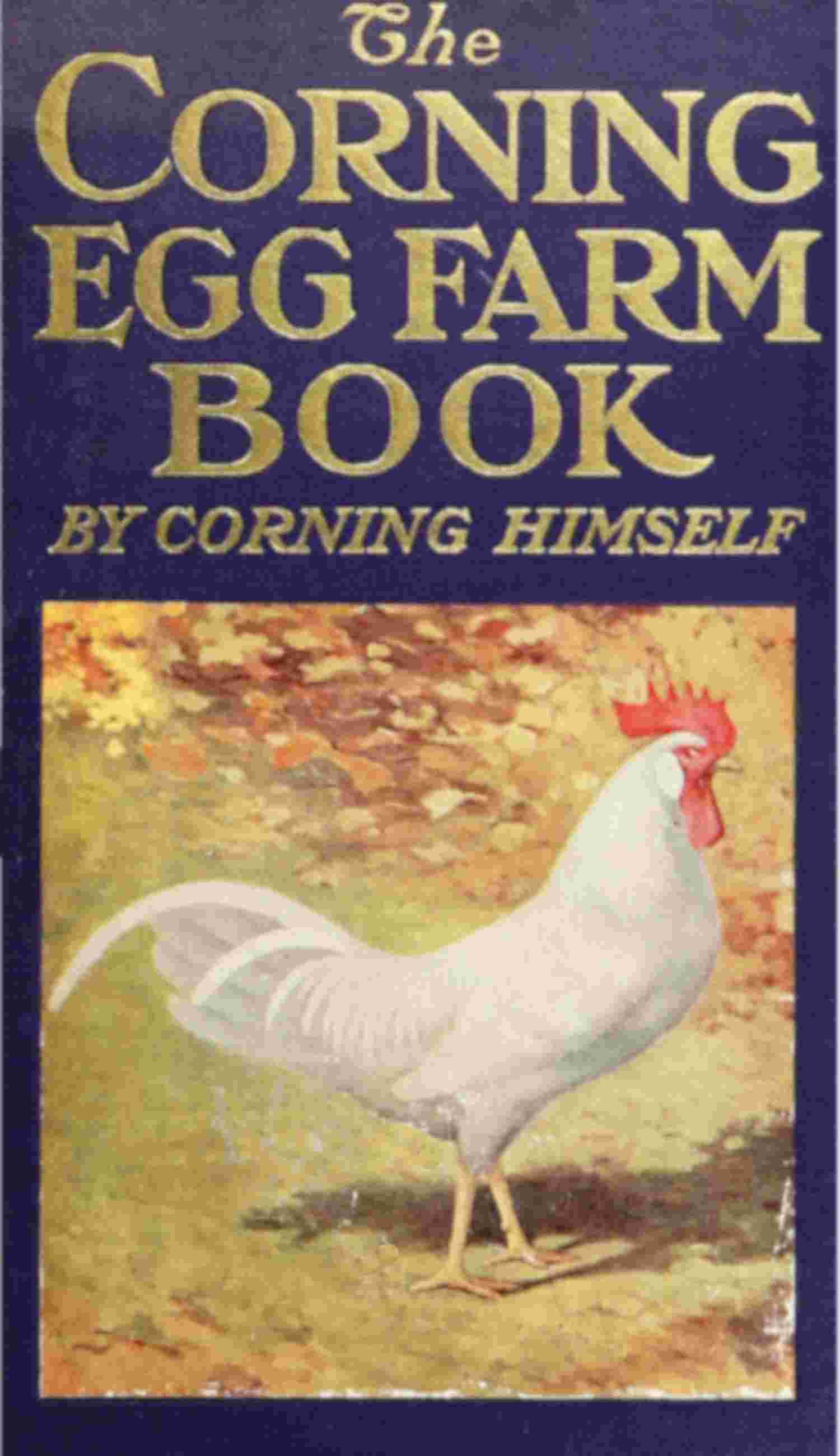
The Corning Egg Farm book, by Corning himself cover

The Corning Egg Farm book, by Corning himself

Chapter 114: CHAPTER XXIII Feeding the Breeding Cockerels
Open in WeRead

About This Book

A practical history and manual recounts the farm's founding and lays out a systematic approach to large-scale egg production. It explains housing layouts, the large-flock system to reduce costs and labor, and sanitary methods for preparing eggs for market. Breeding advice emphasizes selection of prolific white Leghorn stock, line-breeding to preserve type without close inbreeding, and producing unrelated cockerels for mating. Incubation and brooding guidance stresses uniform temperature, ventilation, and producing livable chicks, while feeding chapters prioritize succulent green foods (notably sprouted oats), mineral supplements, and animal-food substitutes. The work also covers watering systems, coal ash use, fixed routines for feeding and egg collection, and farm security and pest control.

CHAPTER XXIII
Feeding the Breeding Cockerels

These birds are fed green food about eight o’clock in the morning. In good weather it is fed in their large range yard, where the attendant scatters it in small bunches over a wide area. At 11:30 is fed to every hundred birds, six quarts of corn, wheat and oats, two-thirds corn, the wheat and oats making up the other third. This is also distributed widely over the yard. In this way the cockerels are kept busy hunting for food, and they are less likely to get into broils with each other for entertainment.

At 1:30 o’clock they are allowed to return to their House, having been shut out during the morning hours. The Mash is fed daily at 1:30, and a sufficient amount is placed in their troughs for them to thoroughly clean up by roosting time.

Sufficient grain is fed in the litter in the House to make the quantity for the day’s rations about eight quarts for one hundred birds.

BREEDING COCKERELS FALL OF 1911