
About This Book
When individuals assemble for collective action their psychology acquires new, often unconscious characteristics distinct from personal traits. Such assemblies show reduced critical reasoning, increased suggestibility, emotional contagion, anonymity-fueled impulsiveness, and quick crystallization of shared beliefs under the sway of leaders and prestige. These unconscious forces can create complex cultural products like language yet make societies resistant to sudden reform; institutions and customs change slowly. Study therefore must weigh theoretical reasoning against practical realities, acknowledging hidden causes and recurrent mechanisms—contagion, suggestion, and the conservative power of tradition.
About the Author

More Books by This Author
6 picks
 A tömegek lélektana
by Gustave Le Bon
A tömegek lélektana
by Gustave Le Bon
 Aphorismes du temps présent
by Gustave Le Bon
Aphorismes du temps présent
by Gustave Le Bon
 Hier et demain
by Gustave Le Bon
Hier et demain
by Gustave Le Bon
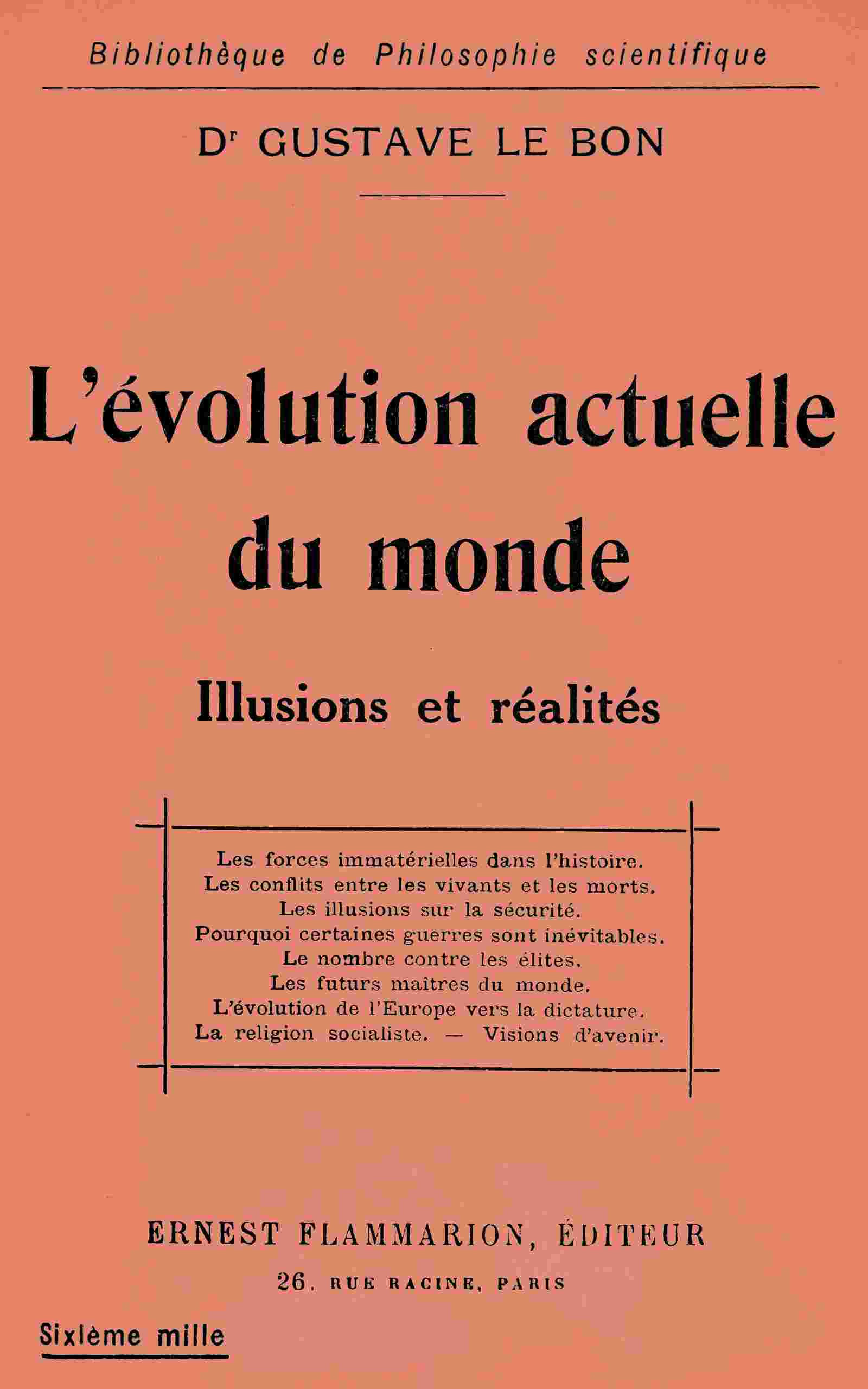 L'évolution actuelle du monde: illusions et réalités
by Gustave Le Bon
L'évolution actuelle du monde: illusions et réalités
by Gustave Le Bon
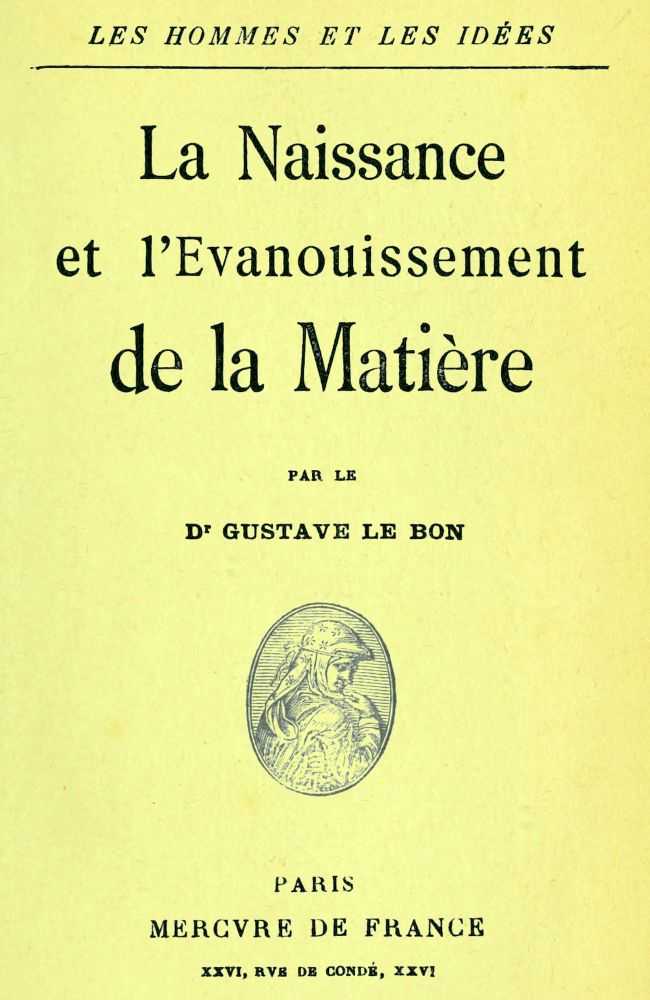 La naissance et l'évanouissement de la matière
by Gustave Le Bon
La naissance et l'évanouissement de la matière
by Gustave Le Bon
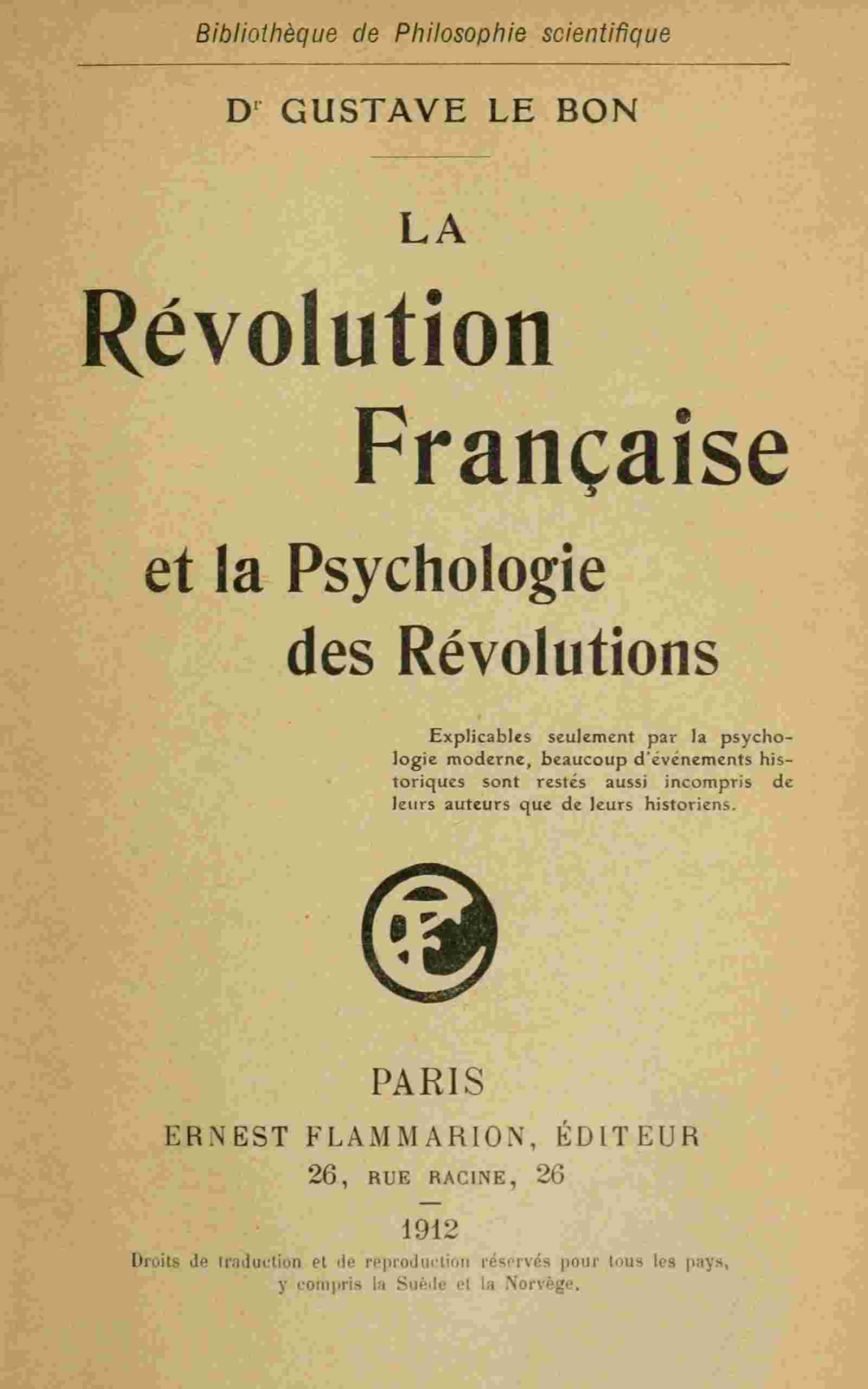 La Révolution Française et la psychologie des révolutions
by Gustave Le Bon
La Révolution Française et la psychologie des révolutions
by Gustave Le Bon
You May Also Like
6 picks
 A Beginner's Psychology
by Edward Bradford Titchener
A Beginner's Psychology
by Edward Bradford Titchener
 A Compendium on the Soul
by Avicenna
A Compendium on the Soul
by Avicenna
 A Defence of the Inquiry into Mesmerism & Phrenology / chiefly in relation to recent events in Lynn
by William Armes
A Defence of the Inquiry into Mesmerism & Phrenology / chiefly in relation to recent events in Lynn
by William Armes
 A Dominie in Doubt
by Alexander Sutherland Neill
A Dominie in Doubt
by Alexander Sutherland Neill
 A General Introduction to Psychoanalysis
by Sigmund Freud
A General Introduction to Psychoanalysis
by Sigmund Freud
 A Letter to the Right Honorable the Lord Chancellor, on the Nature and Interpretation of Unsoundness of Mind, and Imbecility of Intellect
by John Haslam
A Letter to the Right Honorable the Lord Chancellor, on the Nature and Interpretation of Unsoundness of Mind, and Imbecility of Intellect
by John Haslam