
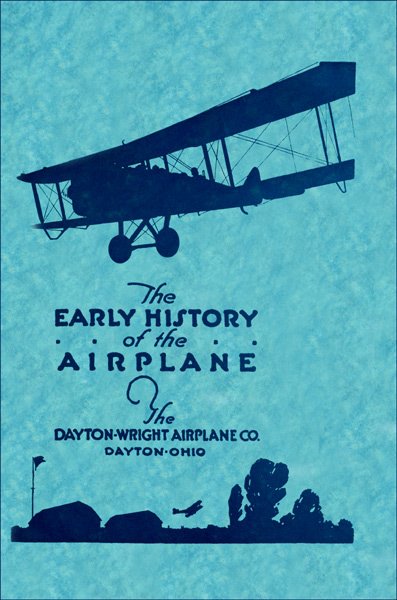
About This Book
Two brothers trace their lifelong pursuit of heavier-than-air flight, describing early experiments, study of prior investigators, and the three central engineering problems: sustaining lift, producing power, and achieving controllable balance and steering. They explain why they rejected passive dihedral stability and developed deliberately neutral wing forms combined with active controls, notably wing-warping and adjustable rudders, and they detail iterative kite and glider trials used to test these ideas. The account blends technical explanation, practical trial-and-error, and reflection on contemporaneous successes and failures to show how control systems, rather than brute power alone, shaped their approach toward powered flight.
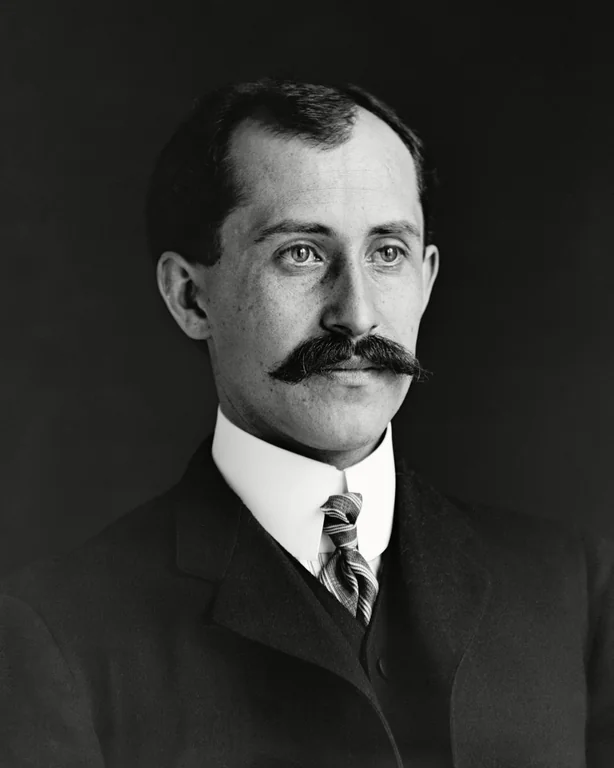
About the Author
You May Also Like
6 picks
 "Billy" Sunday, the Man and His Message / With his own words which have won thousands for Christ
by William T. Ellis
"Billy" Sunday, the Man and His Message / With his own words which have won thousands for Christ
by William T. Ellis
 "Boots and Saddles"; Or, Life in Dakota with General Custer
by Elizabeth Bacon Custer
"Boots and Saddles"; Or, Life in Dakota with General Custer
by Elizabeth Bacon Custer
 "Born of the Spirit;" or, Gems from the Book of Life
by Zenas Osborne
"Born of the Spirit;" or, Gems from the Book of Life
by Zenas Osborne
 "Brother Bosch", an Airman's Escape from Germany
by Gerald Featherstone Knight
"Brother Bosch", an Airman's Escape from Germany
by Gerald Featherstone Knight
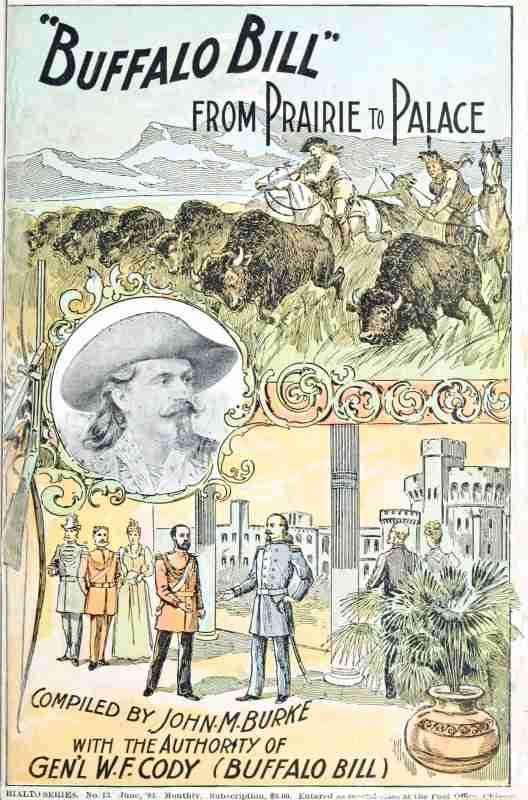 "Buffalo Bill" from Prairie to Palace: An Authentic History of the Wild West
by John M. Burke
"Buffalo Bill" from Prairie to Palace: An Authentic History of the Wild West
by John M. Burke
 "Co. Aytch," Maury Grays, First Tennessee Regiment / Or, A Side Show of the Big Show
by Samuel R. Watkins
"Co. Aytch," Maury Grays, First Tennessee Regiment / Or, A Side Show of the Big Show
by Samuel R. Watkins