
The Egyptian Conception of Immortality / The Ingersoll Lecture, 1911
Explore more books like this:
About This Book
A scholarly lecture surveys ancient Egyptian beliefs about life after death, drawing on funerary customs, offering rituals, temple inscriptions, and burial texts from successive historical periods. It distinguishes ordinary popular practices—interment and offerings to sustain the deceased—from the elite use of magical formulas intended to aid a spirit’s progress, explains how desert preservation biases the archaeological record toward tombs, traces evolving notions of immortality including associations with deities such as Osiris and Isis, and emphasizes that funerary rites fulfilled social and practical functions without necessarily dominating everyday life.
About the Author

You May Also Like
6 picks
 "Five-Head" Creek; and Fish Drugging in the Pacific / 1901
by Louis Becke
"Five-Head" Creek; and Fish Drugging in the Pacific / 1901
by Louis Becke
 "Pennsylvania Dutch," and other essays
by Phebe Earle Gibbons
"Pennsylvania Dutch," and other essays
by Phebe Earle Gibbons
 "Sterminator Vesevo" (Vesuvius the great exterminator) / Diary of the Eruption of April 1906
by Matilde Serao
"Sterminator Vesevo" (Vesuvius the great exterminator) / Diary of the Eruption of April 1906
by Matilde Serao
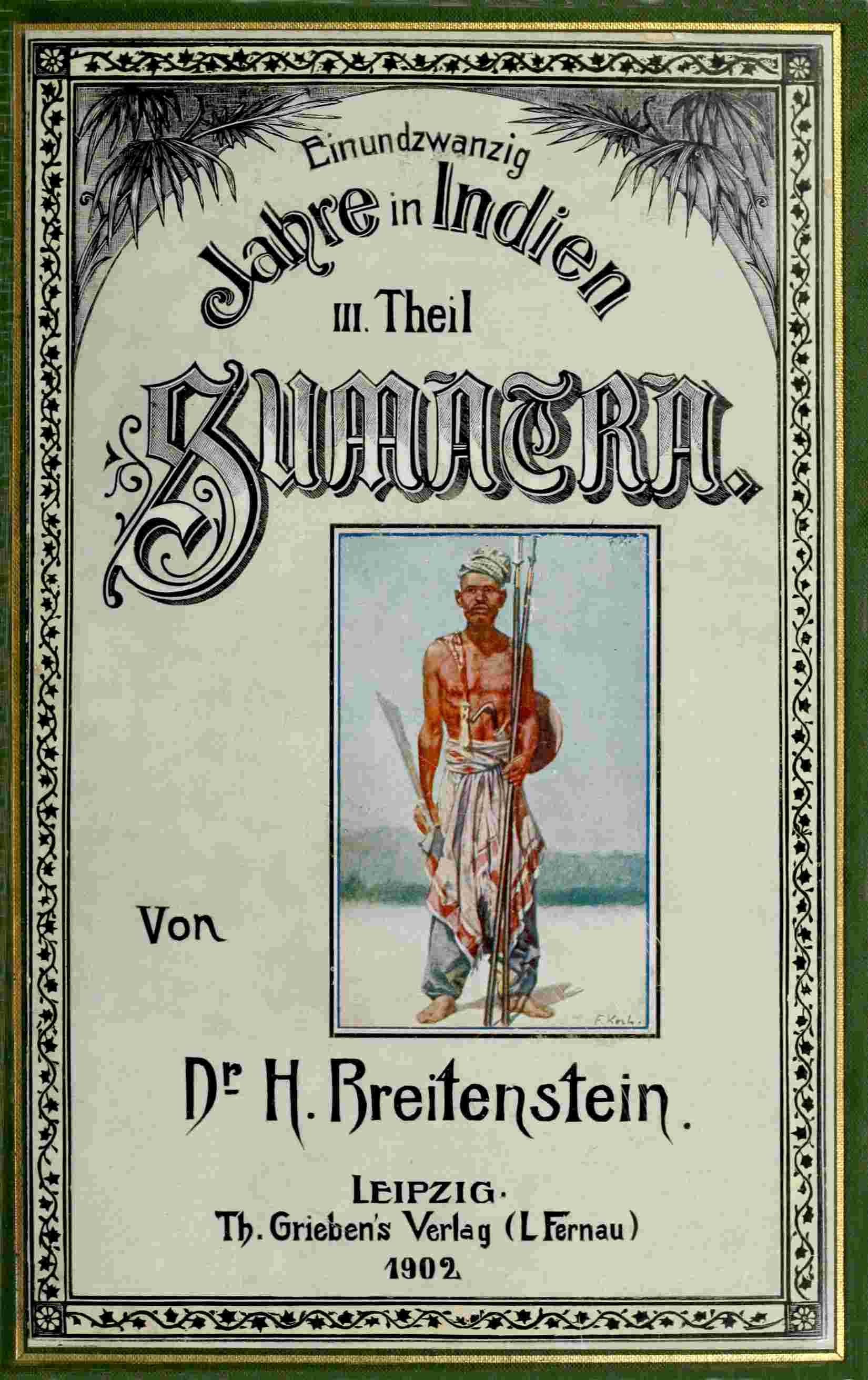 21 Jahre in Indien. Dritter Theil: Sumatra.
by Heinrich Breitenstein
21 Jahre in Indien. Dritter Theil: Sumatra.
by Heinrich Breitenstein
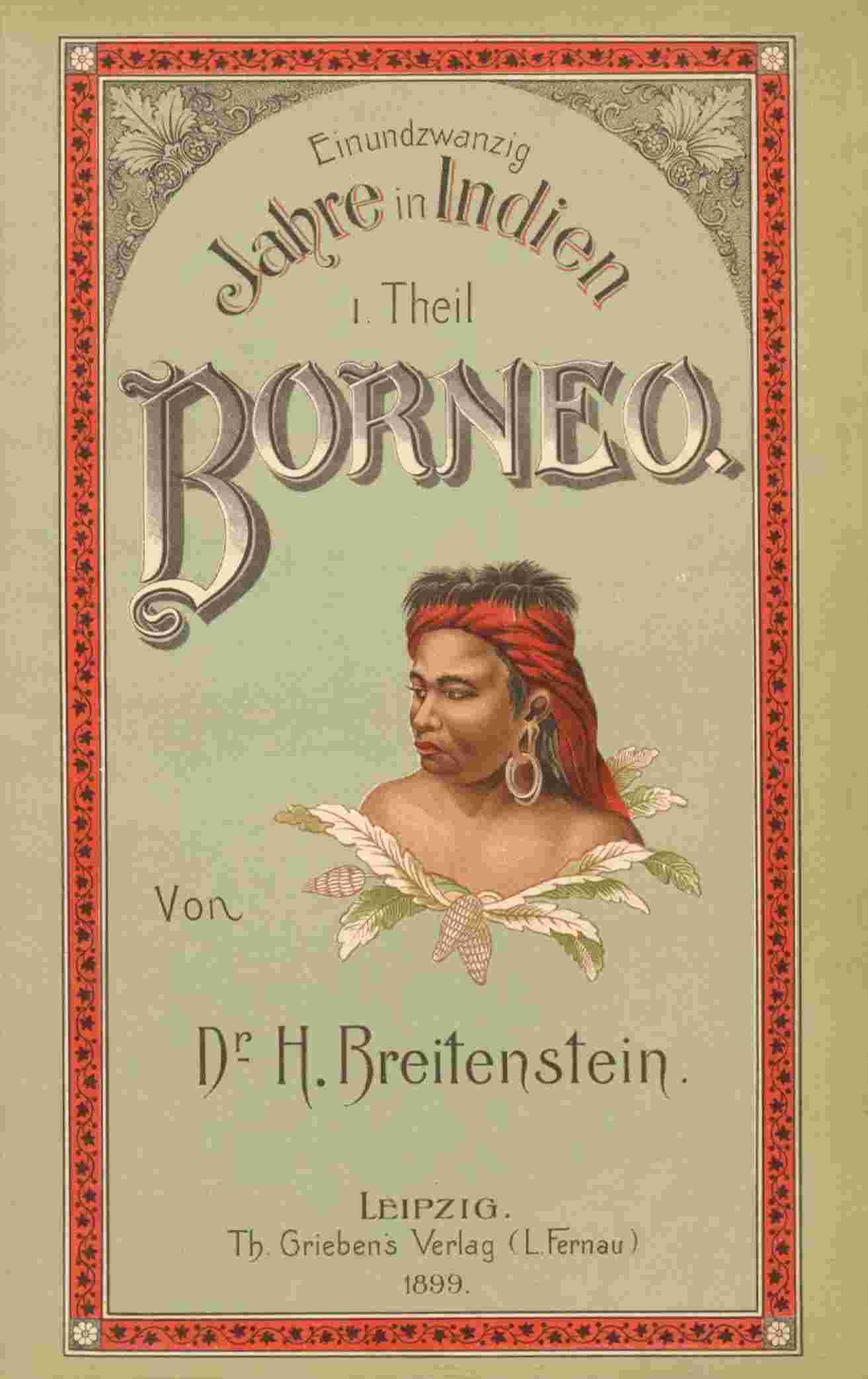 21 Jahre in Indien. Erster Theil: Borneo.
by Heinrich Breitenstein
21 Jahre in Indien. Erster Theil: Borneo.
by Heinrich Breitenstein
 A Bakony (1. kötet)
by Károly Eötvös
A Bakony (1. kötet)
by Károly Eötvös