
WeRead Powered by ReaderPub
The English moths and butterflies cover

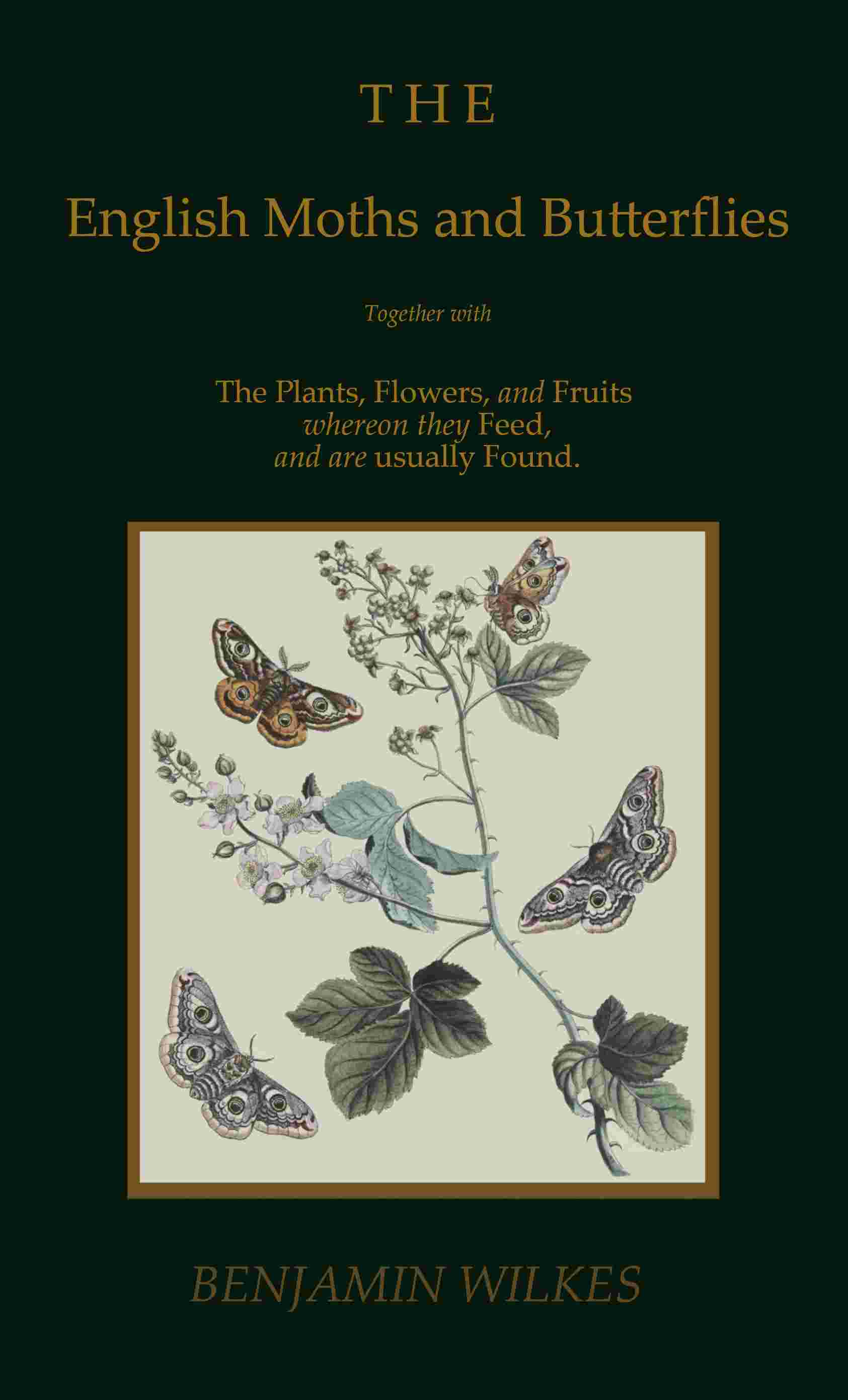
The English moths and butterflies

Chapter 45: Class I.
Open in WeRead

Explore more books like this:

About This Book

The work presents detailed, colored illustrations of native moths and butterflies alongside concise natural-history descriptions, tracing each species' life stages from egg through caterpillar and chrysalis to adult. Plates are paired with accounts of seasonal appearance, host plants, feeding habits, and practical guidance for finding, rearing, and preserving specimens. Observations are drawn from prolonged field and experimental study and organized into classes with accompanying plant identifications. Prefatory material explains the author's methods and influences, and the volume aims to make insect study accessible by combining accurate paintings with systematic notes on behavior, development, and collection techniques.

BOOK II.

CHAP.   I.

Caterpillars producing Flies, which resemble partly the Moth, and partly the Butterfly.

Class I.

Sect. a.

L. 2. Ch. 1.

I.

Cl. 1. S. a. 1.

The BURNET-MOTH. The Caterpillars are to be found feeding on Hay-Grass about the Middle of May, at which Time many of them go into the Chrysalis State, within such a Spinning as is expressed in the Plate, and which they make fast to the Stalks of Grass, about a Foot from the Ground. The Moths fly about the Middle of June, in the Day-time, and are easily taken.

See Albin, P. 82. Rosel, Cl. 2. Tab. 57. Vol. 1. Reaumur, Pl. 12. Pag. 284. Vol. 2. Pl. 2. Pag. 120.

L. II. ch. I.

Cl. 1. S. a. 1.

(High Resolution Image)

The Burnet Rose.

Rosa pumila, spinosissima, foliis pimpinellæ, glabris, Flore albo. J. B.