
About This Book
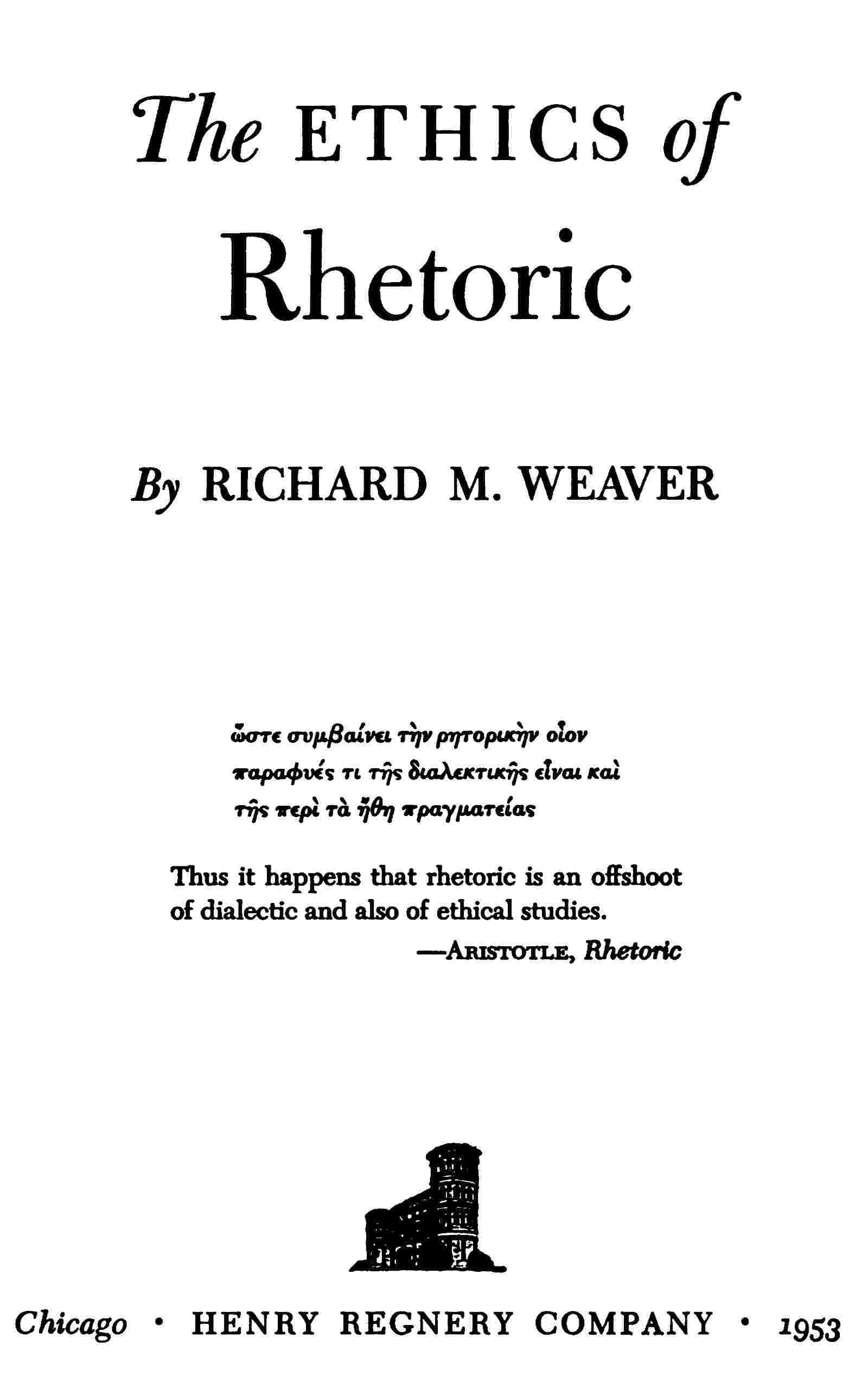
A series of essays considers the moral and intellectual foundations of rhetorical practice, beginning with a close reading of Plato's Phaedrus to distinguish rhetoric from dialectic and to categorize kinds of persuasive speech. Subsequent chapters examine rhetorical reasoning in figures like Edmund Burke and Abraham Lincoln, analyze grammatical categories and Milton's prose, and explore the scope of classical rhetorical tradition. The collection also assesses rhetoric's application in social science and probes how ultimate terms shape contemporary public argument.