
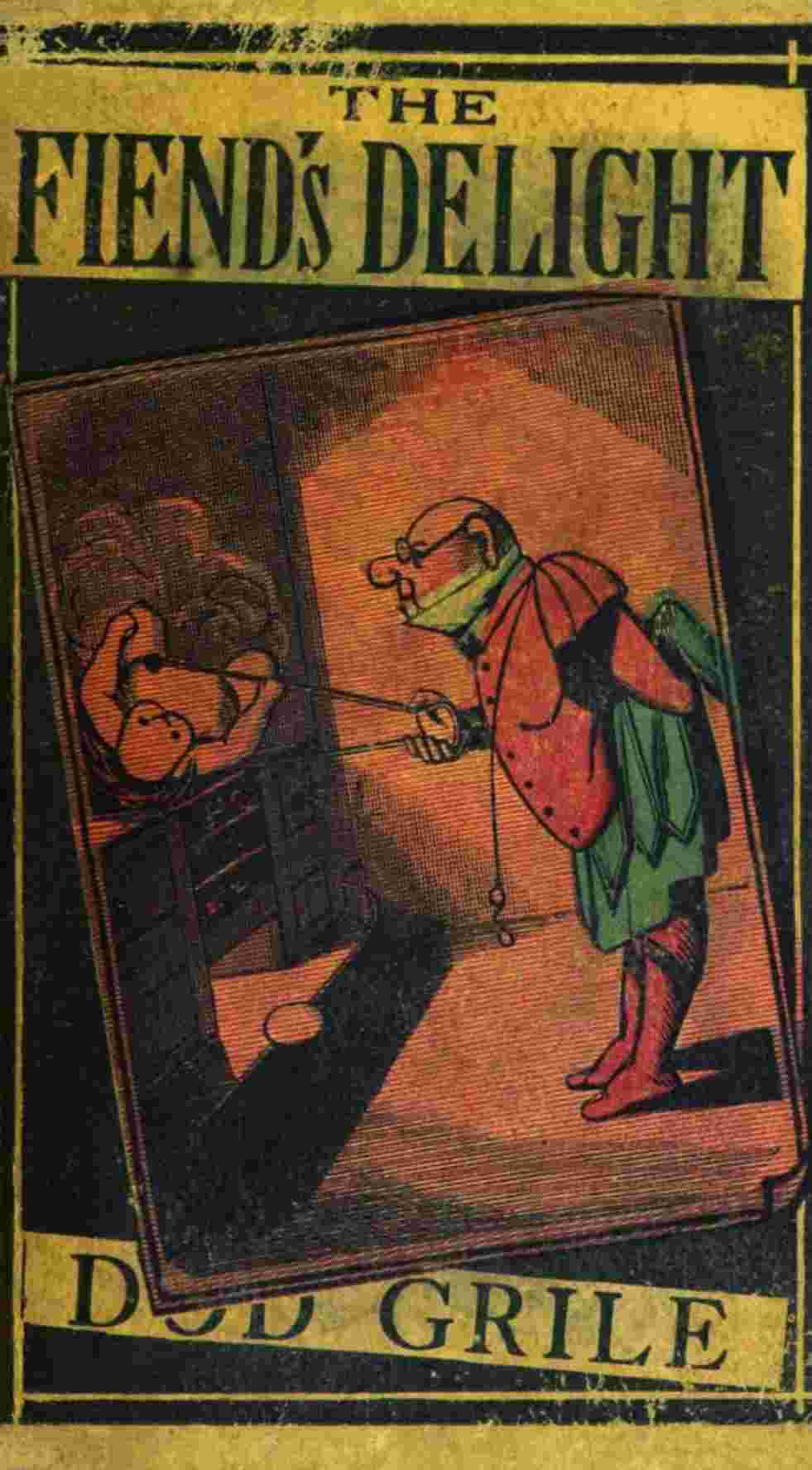
A Comforter
William Bunker had paid a fine of two hundred dollars for beating his wife. After getting his receipt he went moodily home and seated himself at the domestic hearth. Observing his abstracted and melancholy demeanour, the good wife approached and tenderly inquired the cause. “It’s a delicate subject, dear,” said he, with love-light in his eyes; “let’s talk about something good to eat.”
Then, with true wifely instinct she sought to cheer him up with pleasing prattle of a new bonnet he had promised her. “Ah! darling,” he sighed, absently picking up the fire-poker and turning it in his hands, “let us change the subject.”
Then his soul’s idol chirped an inspiring ballad, kissed him on the top of his head, and sweetly mentioned that the dressmaker had sent in her bill. “Let us talk only of love,” returned he, thoughtfully rolling up his dexter sleeve.
And so she spoke of the vine-enfolded cottage in which she fondly hoped they might soon sip together the conjugal sweets. William became rigidly erect, a look not of earth was in his face, his breast heaved, and the fire-poker quivered with emotion. William felt deeply. “Mine own,” said the good woman, now busily irrigating a mass of snowy dough for the evening meal, “do you know that there is not a bite of meat in the house?”
It is a cold, unlovely truth—a sad, heart-sickening fact—but it must be told by the conscientious novelist. William repaid all this affectionate solicitude—all this womanly devotion, all this trust, confidence, and abnegation in a manner that needs not be particularly specified.
A short, sharp curve in the middle of that iron fire-poker is eloquent of a wrong redressed.