
The Golden Bough: A Study in Magic and Religion (Third Edition, Vol. 09 of 12)
Explore more books like this:
About This Book
The volume examines the belief that communal sins and misfortunes can be transferred to objects, animals, or persons who then carry them away, tracing practices of vicarious suffering across rituals and myths. It surveys techniques of expelling evil, such as nailing, throwing, and periodic purifications, and analyzes public scapegoat ceremonies including embodied and material vehicles, human victims in classical antiquity, and elaborate sacrificial rites in Mexico where individuals were treated as dying gods. It also compares festive inversions such as Saturnalia and discusses how these customs evolved into theological formulations of a deity's redemptive death.
About the Author
More Books by This Author
6 picks
 Balder the Beautiful, Volume I. / A Study in Magic and Religion: the Golden Bough, Part VII., The / Fire-Festivals of Europe and the Doctrine of the External Soul
by James George Frazer
Balder the Beautiful, Volume I. / A Study in Magic and Religion: the Golden Bough, Part VII., The / Fire-Festivals of Europe and the Doctrine of the External Soul
by James George Frazer
 Psyche's task
by James George Frazer
Psyche's task
by James George Frazer
 Studies in Greek Scenery, Legend and History / Selected from His Commentary on Pausanias' 'Description of Greece,'
by James George Frazer
Studies in Greek Scenery, Legend and History / Selected from His Commentary on Pausanias' 'Description of Greece,'
by James George Frazer
 The Belief in Immortality and the Worship of the Dead, Volume 1 (of 3) / The Belief Among the Aborigines of Australia, the Torres Straits Islands, New Guinea and Melanesia
by James George Frazer
The Belief in Immortality and the Worship of the Dead, Volume 1 (of 3) / The Belief Among the Aborigines of Australia, the Torres Straits Islands, New Guinea and Melanesia
by James George Frazer
 The Belief in Immortality and the Worship of the Dead, Volume 2 (of 3) / The Belief Among the Polynesians
by James George Frazer
The Belief in Immortality and the Worship of the Dead, Volume 2 (of 3) / The Belief Among the Polynesians
by James George Frazer
 The Golden Bough: A Study in Comparative Religion (Vol. 1 of 2)
by James George Frazer
The Golden Bough: A Study in Comparative Religion (Vol. 1 of 2)
by James George Frazer
You May Also Like
6 picks
 "Five-Head" Creek; and Fish Drugging in the Pacific / 1901
by Louis Becke
"Five-Head" Creek; and Fish Drugging in the Pacific / 1901
by Louis Becke
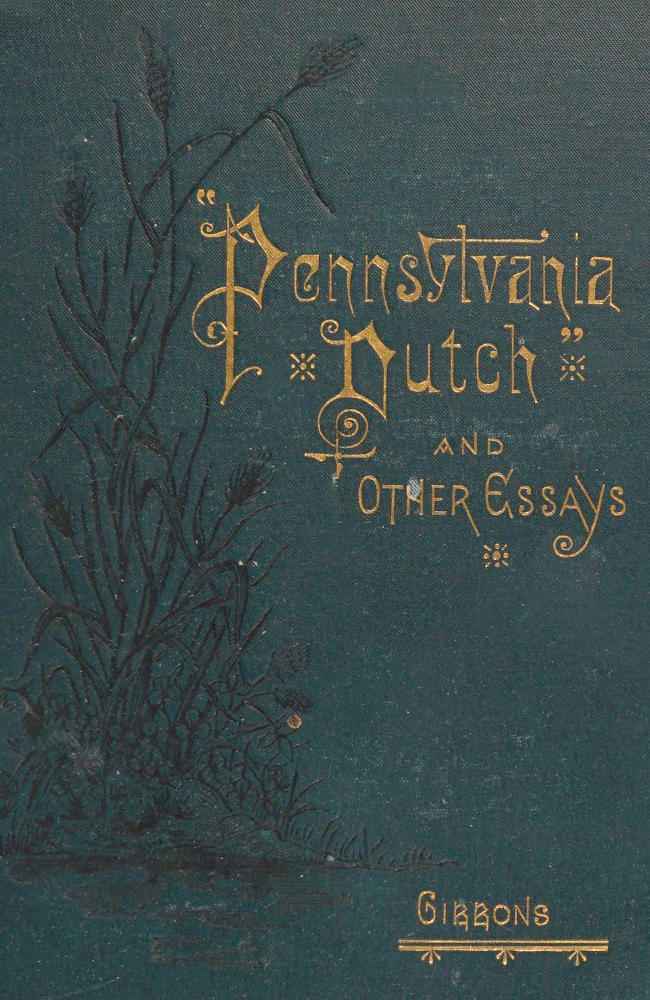 "Pennsylvania Dutch," and other essays
by Phebe Earle Gibbons
"Pennsylvania Dutch," and other essays
by Phebe Earle Gibbons
 "Sterminator Vesevo" (Vesuvius the great exterminator) / Diary of the Eruption of April 1906
by Matilde Serao
"Sterminator Vesevo" (Vesuvius the great exterminator) / Diary of the Eruption of April 1906
by Matilde Serao
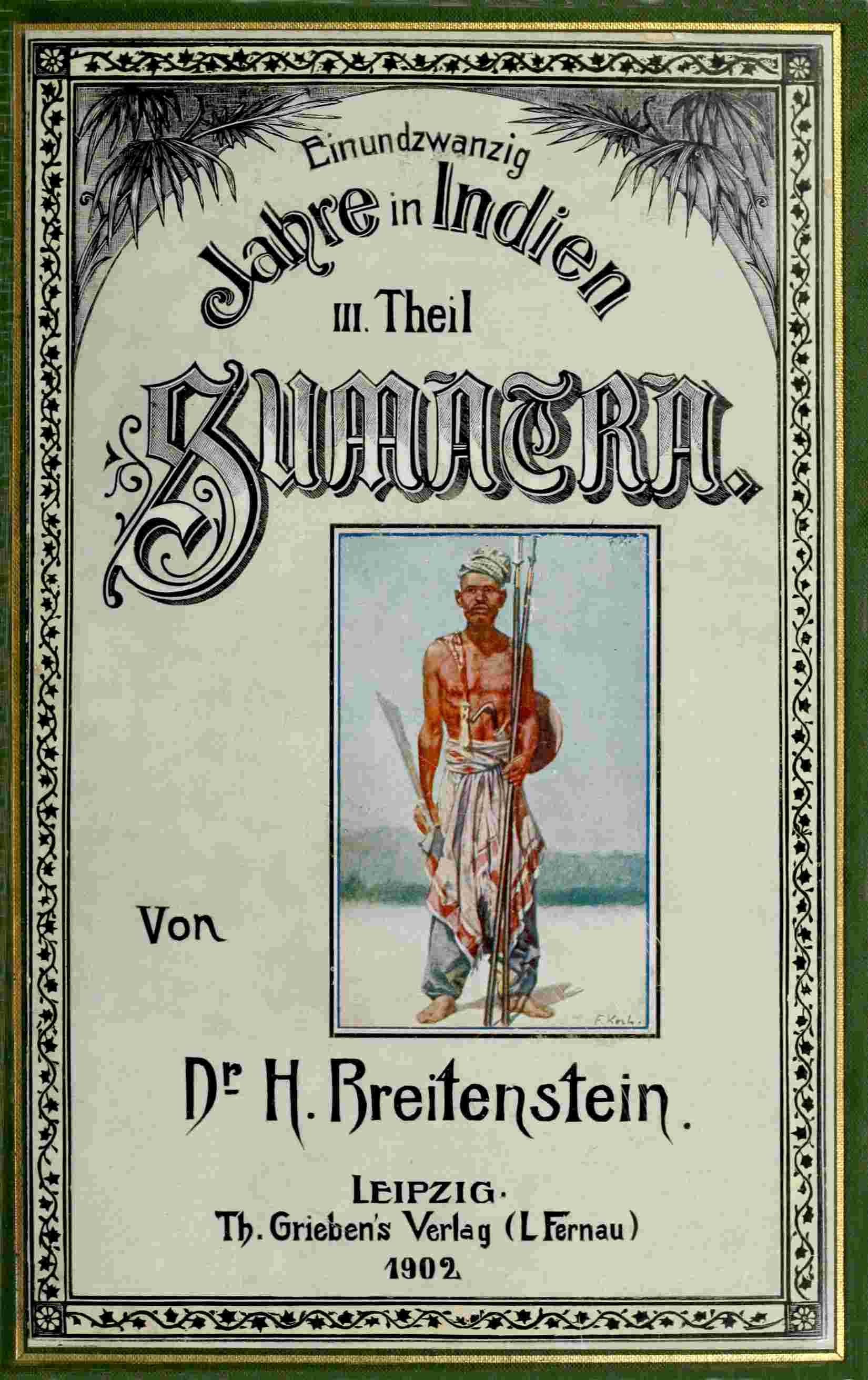 21 Jahre in Indien. Dritter Theil: Sumatra.
by Heinrich Breitenstein
21 Jahre in Indien. Dritter Theil: Sumatra.
by Heinrich Breitenstein
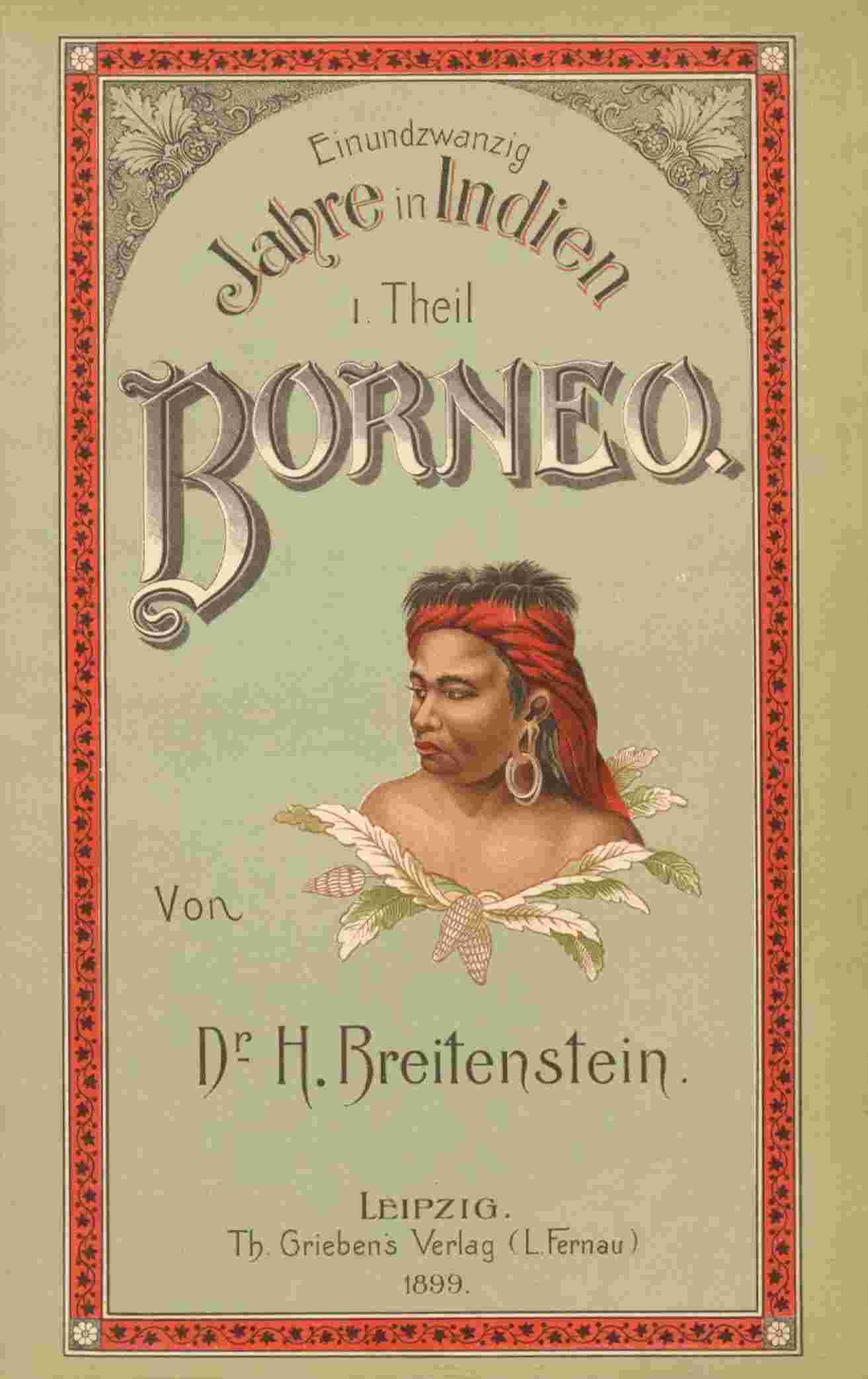 21 Jahre in Indien. Erster Theil: Borneo.
by Heinrich Breitenstein
21 Jahre in Indien. Erster Theil: Borneo.
by Heinrich Breitenstein
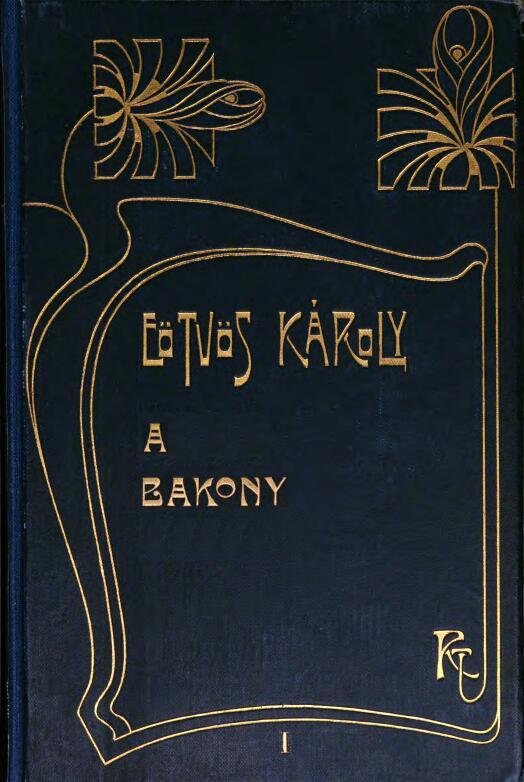 A Bakony (1. kötet)
by Károly Eötvös
A Bakony (1. kötet)
by Károly Eötvös