
The Golden Bough: A Study in Magic and Religion (Third Edition, Vol. 10 of 12)
Explore more books like this:
About This Book
The volume uses the myth of Balder and a ritual figure associated with a sacred oak as a framework to investigate beliefs about the external soul, puberty seclusion of girls, and the various European fire-festivals. It surveys seclusion practices across diverse regions, classifies seasonal fires and rites such as need-fire and animal sacrifices to avert disease, and weighs competing interpretations of those festivals, contrasting older solar explanations with a purificatory account that treats fire as a means to repel or destroy harmful forces. Throughout it traces comparative patterns of ritual thought while warning against overreliance on diffusional explanations.
About the Author
More Books by This Author
6 picks
 Balder the Beautiful, Volume I. / A Study in Magic and Religion: the Golden Bough, Part VII., The / Fire-Festivals of Europe and the Doctrine of the External Soul
by James George Frazer
Balder the Beautiful, Volume I. / A Study in Magic and Religion: the Golden Bough, Part VII., The / Fire-Festivals of Europe and the Doctrine of the External Soul
by James George Frazer
 Psyche's task
by James George Frazer
Psyche's task
by James George Frazer
 Studies in Greek Scenery, Legend and History / Selected from His Commentary on Pausanias' 'Description of Greece,'
by James George Frazer
Studies in Greek Scenery, Legend and History / Selected from His Commentary on Pausanias' 'Description of Greece,'
by James George Frazer
 The Belief in Immortality and the Worship of the Dead, Volume 1 (of 3) / The Belief Among the Aborigines of Australia, the Torres Straits Islands, New Guinea and Melanesia
by James George Frazer
The Belief in Immortality and the Worship of the Dead, Volume 1 (of 3) / The Belief Among the Aborigines of Australia, the Torres Straits Islands, New Guinea and Melanesia
by James George Frazer
 The Belief in Immortality and the Worship of the Dead, Volume 2 (of 3) / The Belief Among the Polynesians
by James George Frazer
The Belief in Immortality and the Worship of the Dead, Volume 2 (of 3) / The Belief Among the Polynesians
by James George Frazer
 The Golden Bough: A Study in Comparative Religion (Vol. 1 of 2)
by James George Frazer
The Golden Bough: A Study in Comparative Religion (Vol. 1 of 2)
by James George Frazer
You May Also Like
6 picks
 "Five-Head" Creek; and Fish Drugging in the Pacific / 1901
by Louis Becke
"Five-Head" Creek; and Fish Drugging in the Pacific / 1901
by Louis Becke
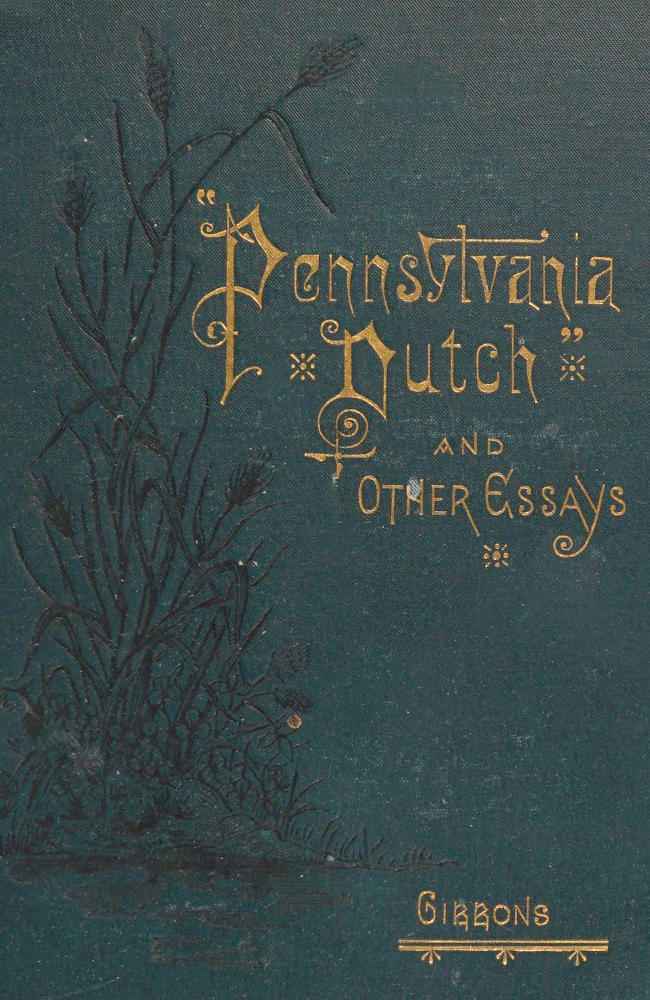 "Pennsylvania Dutch," and other essays
by Phebe Earle Gibbons
"Pennsylvania Dutch," and other essays
by Phebe Earle Gibbons
 "Sterminator Vesevo" (Vesuvius the great exterminator) / Diary of the Eruption of April 1906
by Matilde Serao
"Sterminator Vesevo" (Vesuvius the great exterminator) / Diary of the Eruption of April 1906
by Matilde Serao
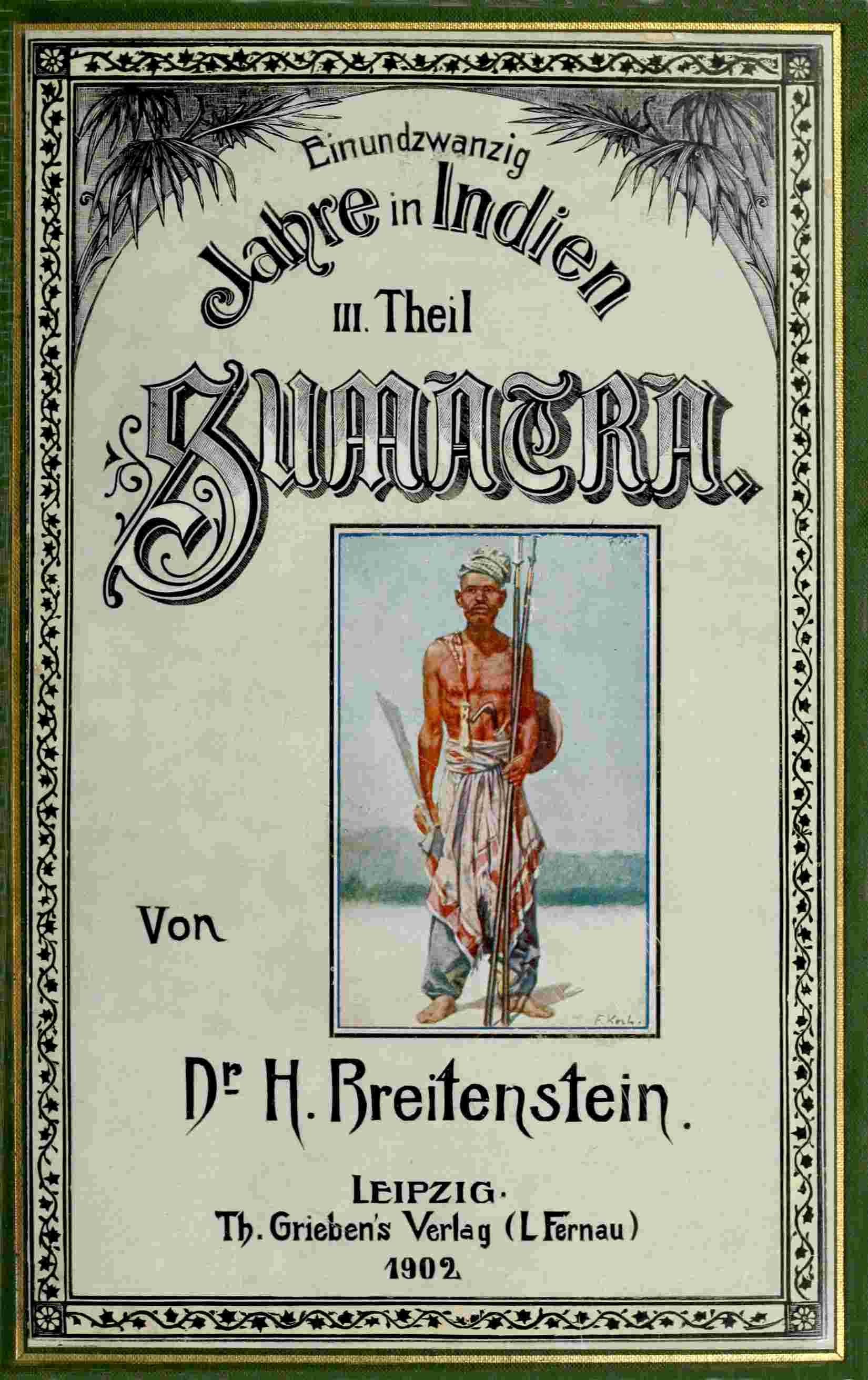 21 Jahre in Indien. Dritter Theil: Sumatra.
by Heinrich Breitenstein
21 Jahre in Indien. Dritter Theil: Sumatra.
by Heinrich Breitenstein
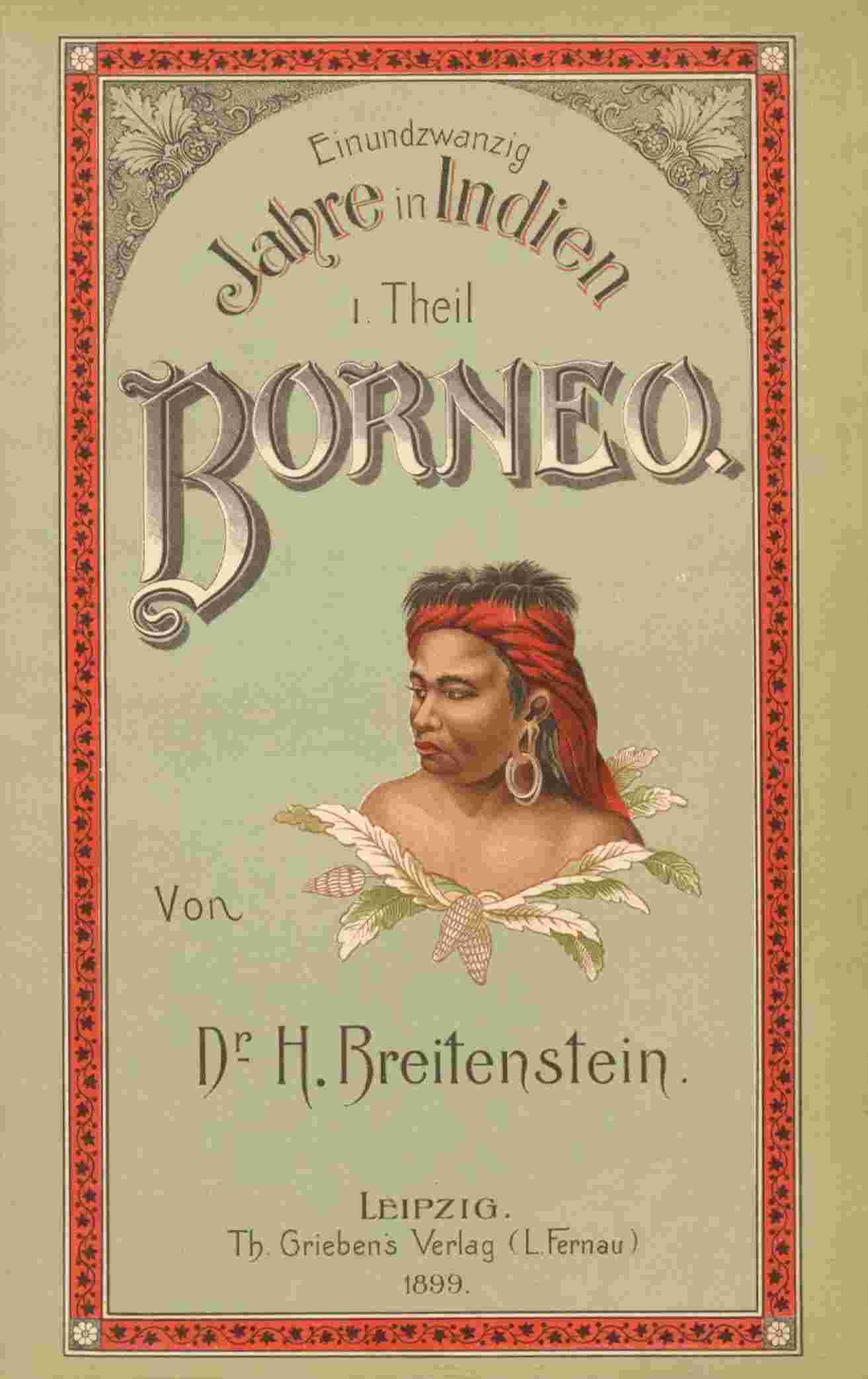 21 Jahre in Indien. Erster Theil: Borneo.
by Heinrich Breitenstein
21 Jahre in Indien. Erster Theil: Borneo.
by Heinrich Breitenstein
 A Bakony (1. kötet)
by Károly Eötvös
A Bakony (1. kötet)
by Károly Eötvös