
WeRead Powered by ReaderPub
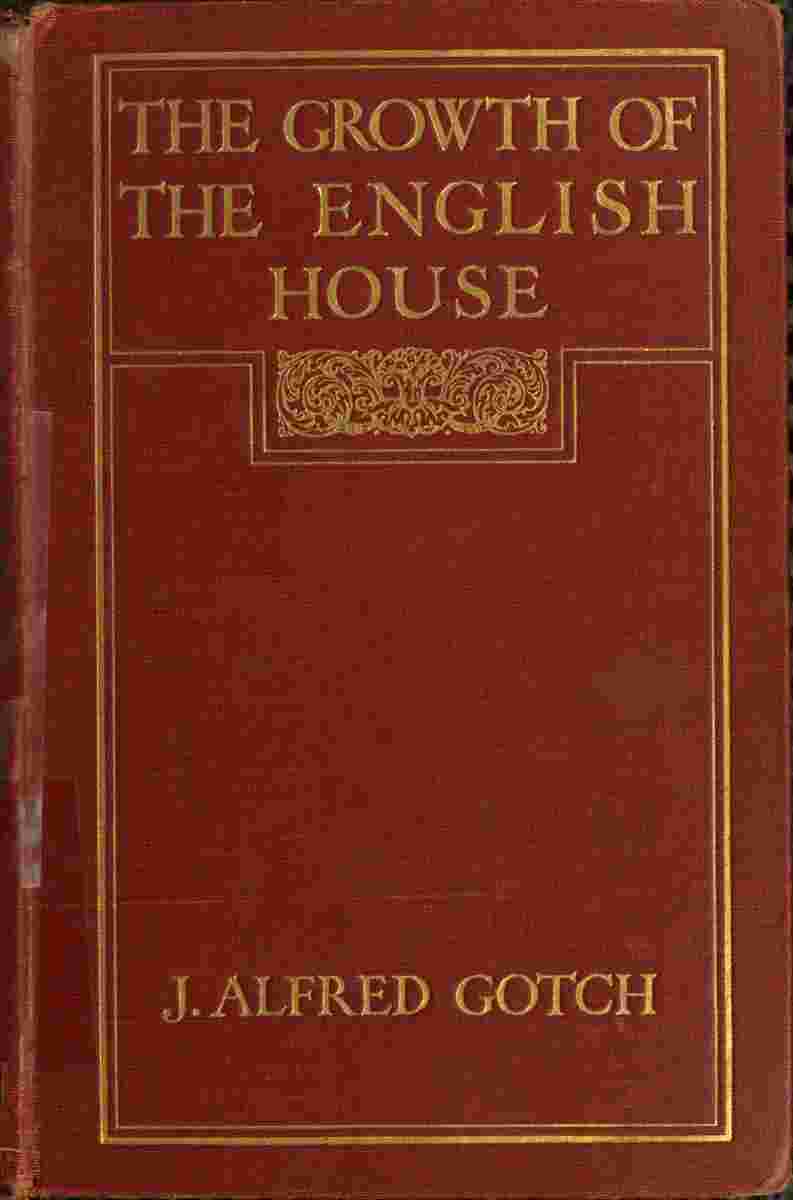
The Growth of the English House / A short history of its architectural development from 1100 to 1800 cover

The Growth of the English House / A short history of its architectural development from 1100 to 1800

Chapter 21: FOOTNOTES:
Open in WeRead

Explore more books like this:

About This Book

A concise history traces the evolution of English domestic architecture from medieval keeps and fortified manor houses through Tudor and Elizabethan symmetry and Renaissance influences to Palladian and later eighteenth-century interiors. It describes structural forms — keeps, halls, and manor plans — and details such as doorways, windows, fireplaces, chimneys, roofs, ceilings and staircases; examines shifts in planning, ornament, and the role of amateur patrons; and surveys exteriors and interiors across successive periods. The text is illustrated and supplemented by a chronological list of buildings, a glossary, and a brief bibliography for further study.

FOOTNOTES:

[1] Remains of this are visible in the plastered spaces of one of the principals.

[2] See an engraving made after a drawing of 1716 from the original painting in fresco at Newnham Padox, published by Henry Merridew, Coventry.

[3] See the Transactions of the Royal Institute of British Architects, vol. v., New Series, for an interesting conjectural restoration of the Mayfield roof by Mr G. E. Street, R.A.

[4] They are in the possession of Colonel Coke of Brookhill Hall, Alfreton. See also pp. 183, 185.

[5] The residence of the Misses Baily, who have kindly allowed the staircase to be drawn.

Transcriber’s Notes:
1. Obvious printers’, punctuation and spelling errors have been corrected silently.
2. Where appropriate, the original spelling has been retained.
3. Some hyphenated and non-hyphenated versions of the same words have been retained as in the original.