
Illustrations.
| PAGE | |
|---|---|
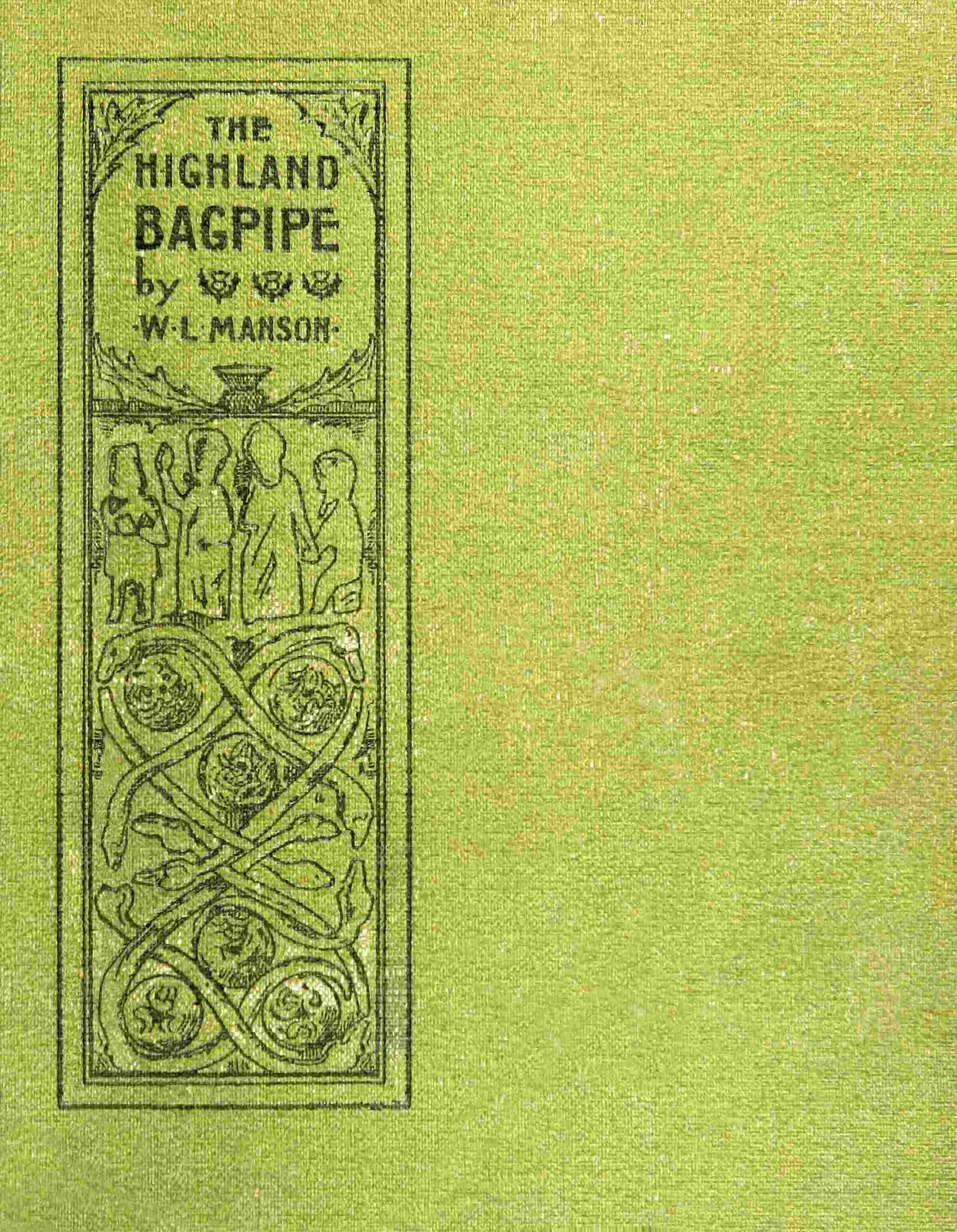
| From St. Martin’s Cross, Iona, | On Cover. |
| “The Coronach,” | Frontispiece. |
| Harper: on a Stone at Monifeith, | 19 |
| Contorniate of Nero’s Time, | 33 |
| Carvings in Melrose Abbey, | 37 |
| The Oldest Existing Pipes, | 43 |
| Carvings in Rosslyn Chapel, | 45 |
| German Piper of the 16th Century, | 47 |
| Old German Wind Instruments, | 61 |
| The Northumbrian Bagpipe, | 65 |
| The Irish Bagpipe, | 67 |
| The Great Highland Bagpipe, | 69 |
| Capt. Neil Mac Leod of Gesto, | 103 |
| Dancing to Pipe Music, | 149 |
| A Highland Family Party, | 151 |
| Lowland, Highland, and Irish Pipers, | 169 |
| “The Spirit of the Pipes,” | 193 |
| A Picture from Punch, | 204 |
| “The Dance of Death,” | 225 |
| The Cave of Gold, | to face 247 |
| A Mac Crimmon Piper, | 259 |
| A Mac Arthur Piper, | to face 269 |
| Angus Mac Kay, | „ 276 |
| John Bane Mac Kenzie, | „ 278 |
| Donald Cameron, | „ 280 |
| Sutherland Volunteer Band, | „ 287 |
| Govan Police Band, | „ 294 |