

The History of England, Volume I / From the Invasion of Julius Caesar to the Revolution in 1688
Explore more books like this:
About This Book
The work offers a chronological narrative of English political and social development from Rome's early incursions through medieval and early modern transformations to the late seventeenth-century settlement. It blends event-driven narrative with thematic analysis, examining shifting balances between crown, parliament, and other institutions, alongside the religious, legal, and constitutional changes that shaped governance. The author intervenes with philosophical reflections on causes, motives, and national character, and includes prefatory autobiographical remarks, extensive notes, and editorial commentary. Arrangement favors clear cause-and-effect explanation and character sketches of leading figures while stressing institutional continuity and the practical consequences of political decisions.
About the Author
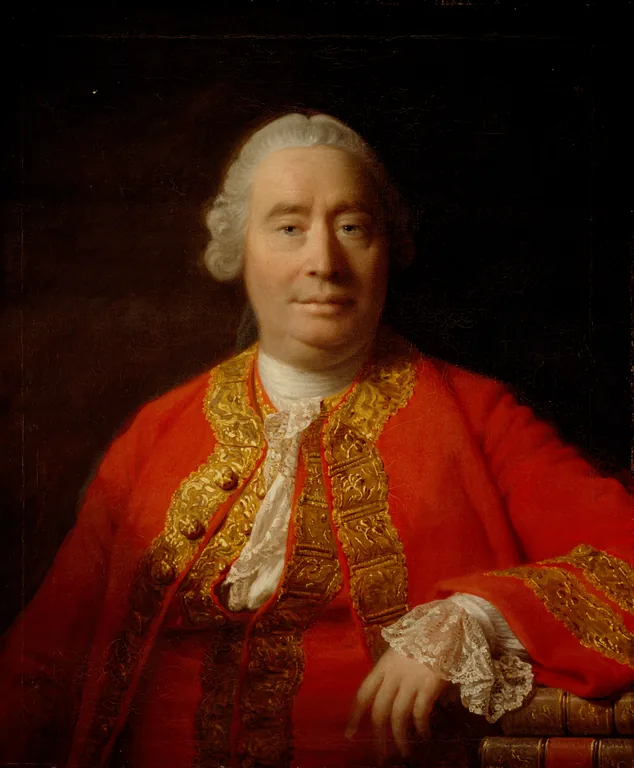
More Books by This Author
 A History of England from Early Times: A Linked Index to the Project Gutenberg Editions
by David Hume
A History of England from Early Times: A Linked Index to the Project Gutenberg Editions
by David Hume
 A Treatise of Human Nature
by David Hume
A Treatise of Human Nature
by David Hume
 A Treatise of Human Nature / Being an Attempt to Introduce the Experimental Method Into Moral Subjects; and Dialogues Concerning Natural Religion
by David Hume
A Treatise of Human Nature / Being an Attempt to Introduce the Experimental Method Into Moral Subjects; and Dialogues Concerning Natural Religion
by David Hume
 An Enquiry Concerning Human Understanding
by David Hume
An Enquiry Concerning Human Understanding
by David Hume
 An Enquiry Concerning the Principles of Morals
by David Hume
An Enquiry Concerning the Principles of Morals
by David Hume
 Dialogues Concerning Natural Religion
by David Hume
Dialogues Concerning Natural Religion
by David Hume
You May Also Like
 "De Bello Gallico" and Other Commentaries
by Julius Caesar
"De Bello Gallico" and Other Commentaries
by Julius Caesar
 A Beginner's History of Philosophy, Vol. 1: Ancient and Mediæval Philosophy
by Herbert Ernest Cushman
A Beginner's History of Philosophy, Vol. 1: Ancient and Mediæval Philosophy
by Herbert Ernest Cushman
 A Brief History of Element Discovery, Synthesis, and Analysis
by Glen W. Watson
A Brief History of Element Discovery, Synthesis, and Analysis
by Glen W. Watson
 A Burial Cave in Baja California / The Palmer Collection, 1887
by William C. Massey
A Burial Cave in Baja California / The Palmer Collection, 1887
by William C. Massey
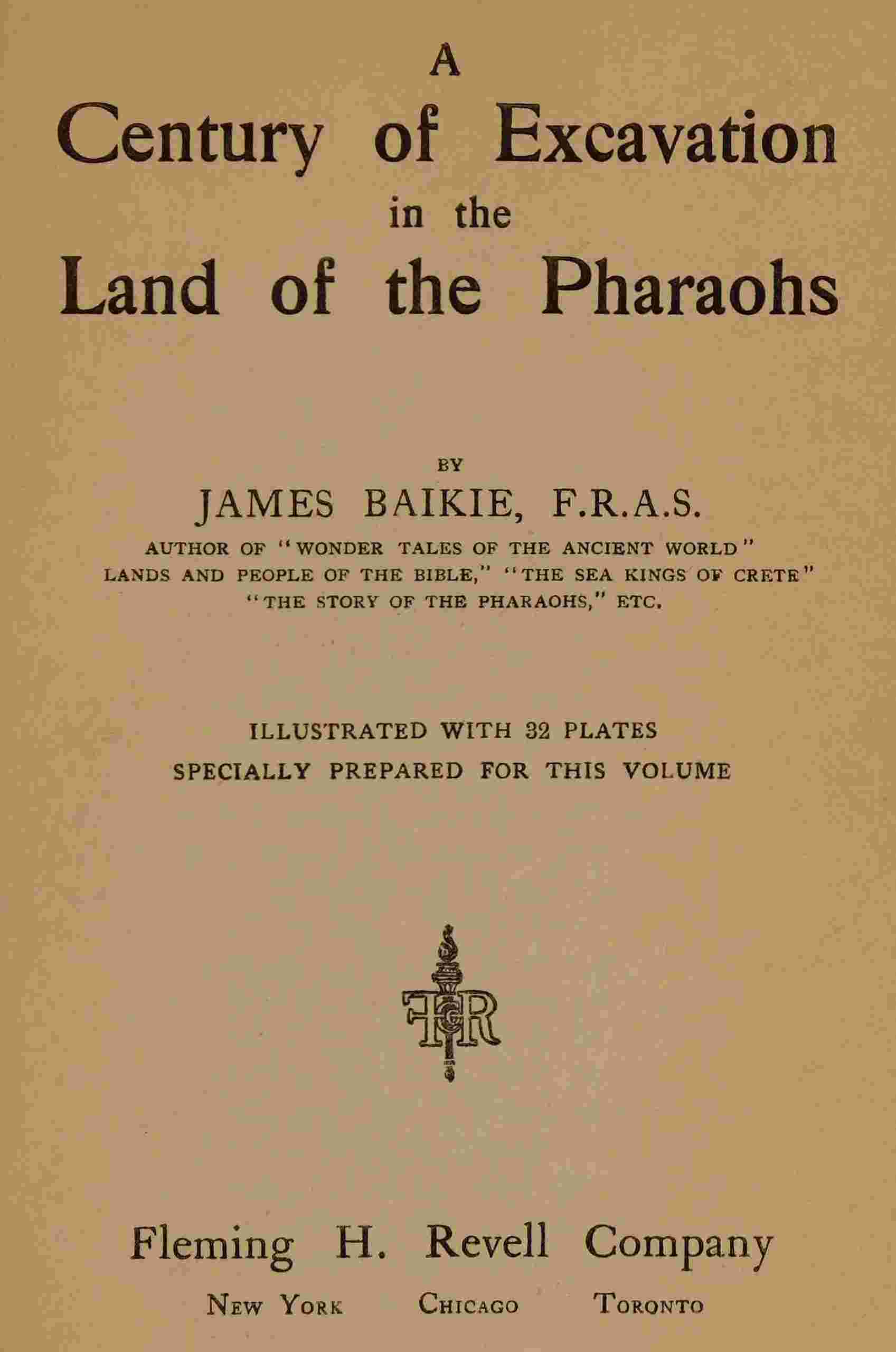 A century of excavation in the land of the Pharaohs
by James Baikie
A century of excavation in the land of the Pharaohs
by James Baikie
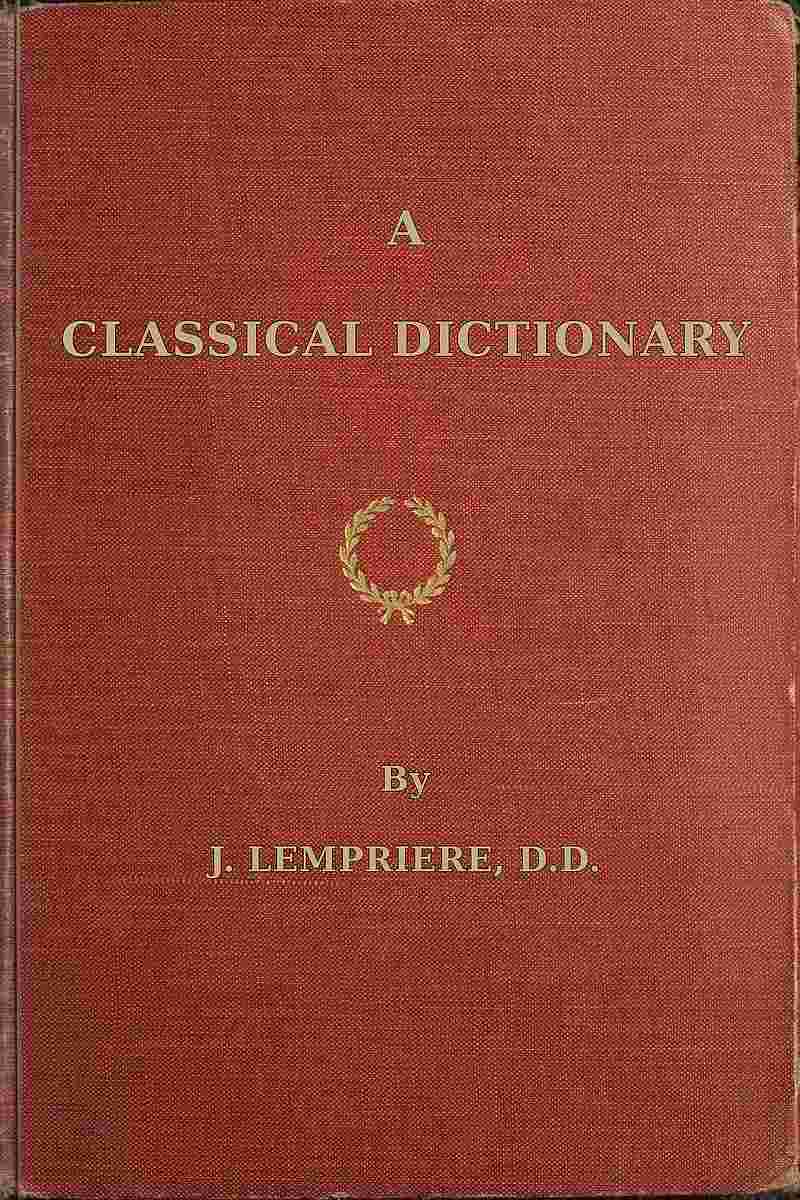 A classical dictionary / containing a copious account of all the proper names mentioned in ancient authors with tables of coins, weights, and measures used among the Greeks and Romans and a chronological table
by John Lemprière
A classical dictionary / containing a copious account of all the proper names mentioned in ancient authors with tables of coins, weights, and measures used among the Greeks and Romans and a chronological table
by John Lemprière