

About This Book
Through a series of lectures, the author examines how religious and philosophical currents—Buddhist thought, Confucian ethics, Taoist influence, and indigenous ritual—have shaped social obligations, aesthetic sensibilities, and public conduct. The text outlines the emergence of codes of honor and communal loyalty, links ancestor veneration and filial piety to everyday practice, and discusses the interplay between restraint and appreciation of beauty. It balances cultural description with reflections on modernization and national character, offering concise observations on institutions, rites, and values that inform collective identity.
About the Author

You May Also Like
6 picks
 "Five-Head" Creek; and Fish Drugging in the Pacific / 1901
by Louis Becke
"Five-Head" Creek; and Fish Drugging in the Pacific / 1901
by Louis Becke
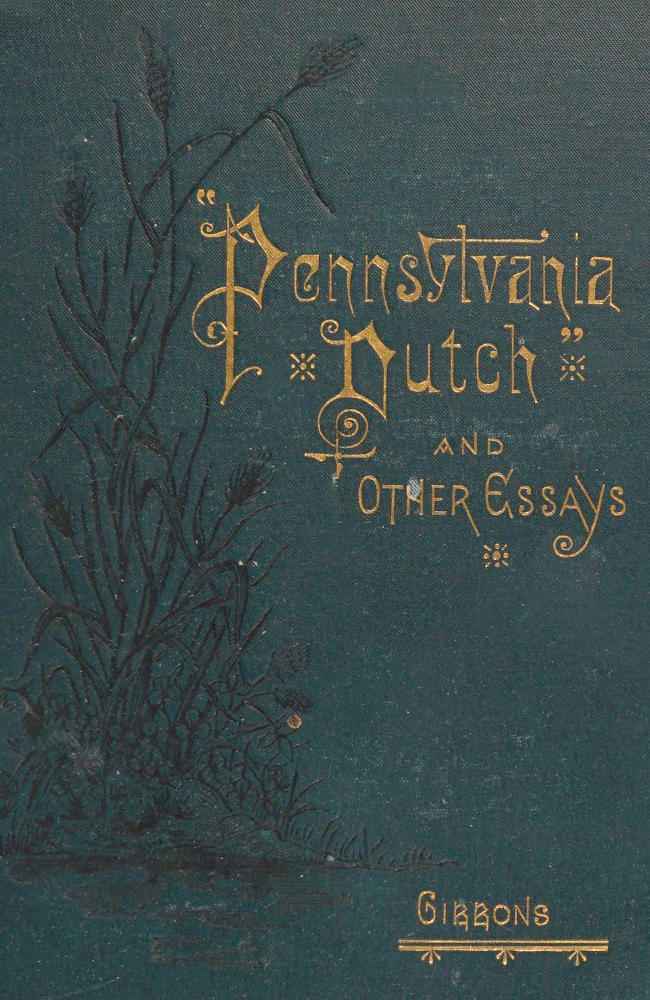 "Pennsylvania Dutch," and other essays
by Phebe Earle Gibbons
"Pennsylvania Dutch," and other essays
by Phebe Earle Gibbons
 "Sterminator Vesevo" (Vesuvius the great exterminator) / Diary of the Eruption of April 1906
by Matilde Serao
"Sterminator Vesevo" (Vesuvius the great exterminator) / Diary of the Eruption of April 1906
by Matilde Serao
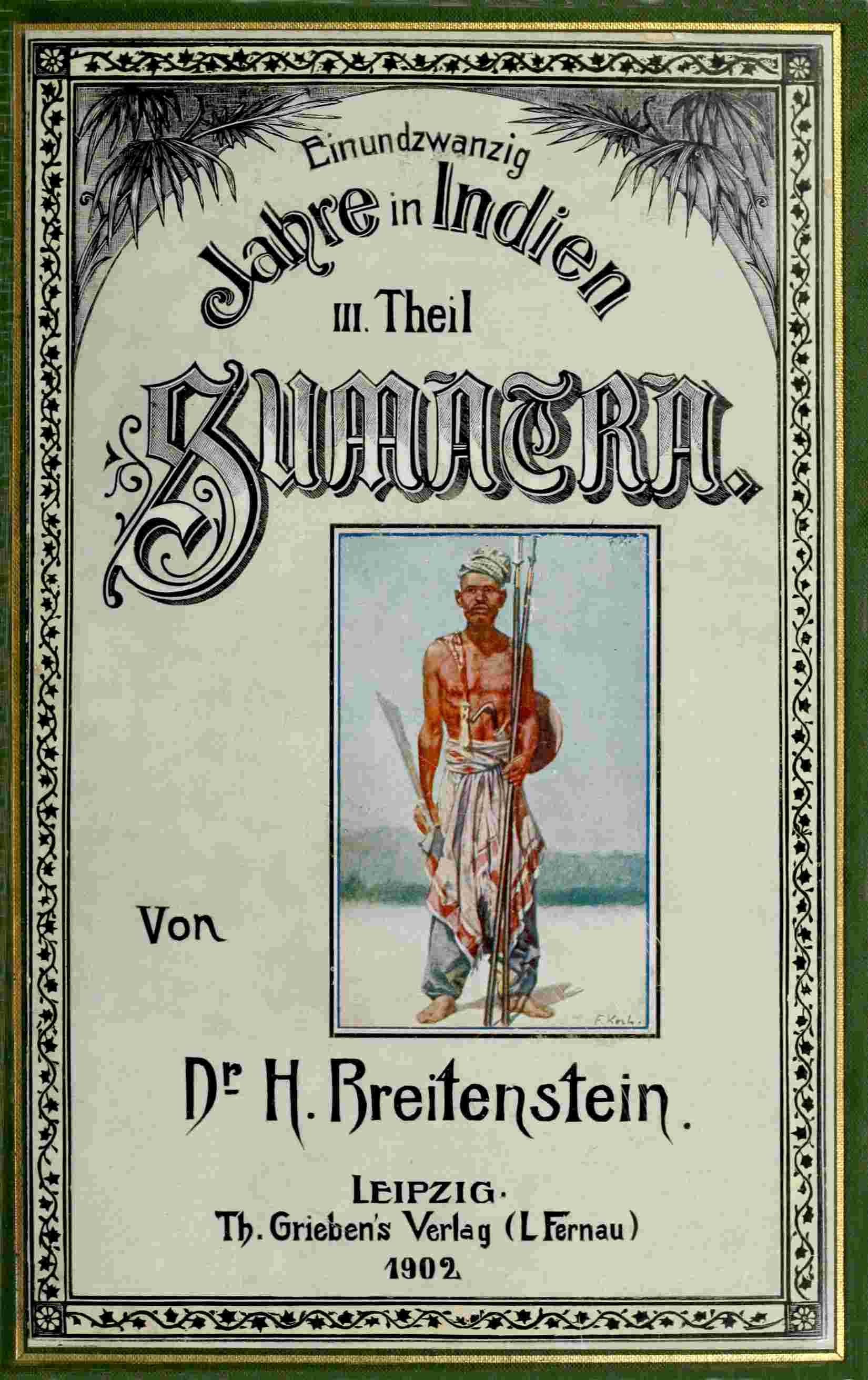 21 Jahre in Indien. Dritter Theil: Sumatra.
by Heinrich Breitenstein
21 Jahre in Indien. Dritter Theil: Sumatra.
by Heinrich Breitenstein
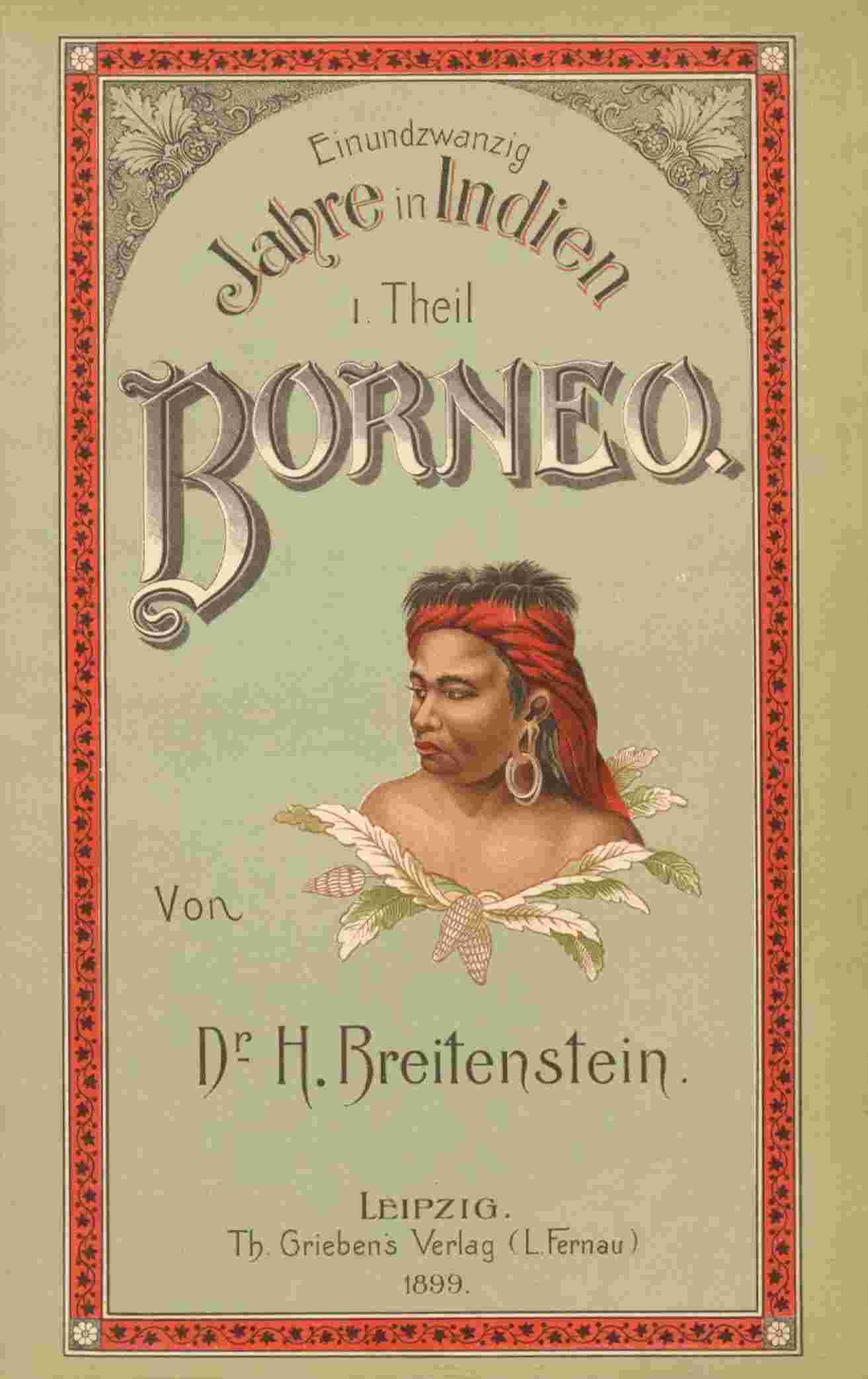 21 Jahre in Indien. Erster Theil: Borneo.
by Heinrich Breitenstein
21 Jahre in Indien. Erster Theil: Borneo.
by Heinrich Breitenstein
 A Bakony (1. kötet)
by Károly Eötvös
A Bakony (1. kötet)
by Károly Eötvös