
WeRead Powered by ReaderPub
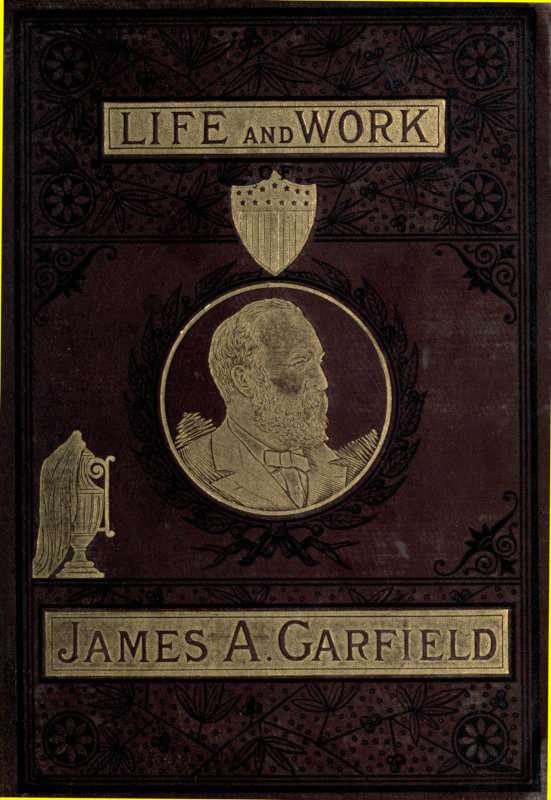
The Life and Work of James A. Garfield, Twentieth President of the United States / Embracing an Account of the Scenes and Incidents of His Boyhood; the Struggles of His Youth; the Might of His Early Manhood; His Valor As a Soldier; His Career As a Statesman; His Election to the Presidency; and the Tragic Story of His Death. cover

The Life and Work of James A. Garfield, Twentieth President of the United States / Embracing an Account of the Scenes and Incidents of His Boyhood; the Struggles of His Youth; the Might of His Early Manhood; His Valor As a Soldier; His Career As a Statesman; His Election to the Presidency; and the Tragic Story of His Death.

Chapter 32: EXPENDITURES OF ENGLAND.
Open in WeRead

Explore more books like this:

About This Book

A chronological biography follows James A. Garfield from humble ancestry and frontier boyhood through self-education and an academic career, to Civil War service, rising political prominence, election to the presidency, and the tragic assassination that ended his short administration. Drawing on speeches, personal sayings, military reports, and contemporary accounts, it reconstructs formative incidents, political choices, and public duties while reflecting on character, leadership, and public mourning. The narrative balances vivid anecdotes with analysis of policies and reputation, showing how immediate adulation and later measured assessment combine to shape historical memory.

EXPENDITURES OF ENGLAND.

“In England, for example, where the territory is fixed, and they are remitted to the single law of increase of population, the increase of expenditure during the last fifteen years of peace has been only about one and three-quarter per cent. compounded annually. I believe nobody has made a very careful estimate of the rate in our country; our growth has been too irregular to afford data for an accurate estimate. But a gentleman who has given much attention to the subject expressed to me the belief that our expenditures in time of peace have increased about eight per cent. compounded annually. I can hardly believe it; yet I am sure that somewhere between that and the English rate will be found our rate of increase in times of peace. I am aware that such estimates as these are unsatisfactory, and that nothing short of the actual test of experience can determine the movements of our expenditures; but these suggestions which have resulted from some study of the subject, I offer for the reflection of those who care to follow them out.