
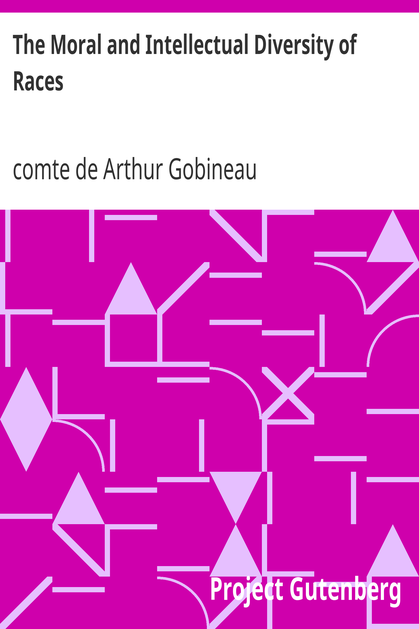
The Moral and Intellectual Diversity of Races / With Particular Reference to Their Respective Influence in the Civil and Political History of Mankind
Explore more books like this:
About This Book
An extended treatise claims that human groups exhibit stable moral and intellectual differences and traces how those differences have shaped political and cultural developments. It defines race for analytical purposes, distinguishes ethnology from ethnography, and surveys linguistic, archaeological, and historical evidence used to support classification of human populations. The author examines debates over species unity, proposes a typology of races, and argues that racial composition influences statecraft, social institutions, and historical trajectories, while acknowledging methodological difficulties and limits in dividing humanity into distinct groups.
About the Author

More Books by This Author
4 picks


You May Also Like
6 picks
 "Five-Head" Creek; and Fish Drugging in the Pacific / 1901
by Louis Becke
"Five-Head" Creek; and Fish Drugging in the Pacific / 1901
by Louis Becke
 "Pennsylvania Dutch," and other essays
by Phebe Earle Gibbons
"Pennsylvania Dutch," and other essays
by Phebe Earle Gibbons
 "Sterminator Vesevo" (Vesuvius the great exterminator) / Diary of the Eruption of April 1906
by Matilde Serao
"Sterminator Vesevo" (Vesuvius the great exterminator) / Diary of the Eruption of April 1906
by Matilde Serao
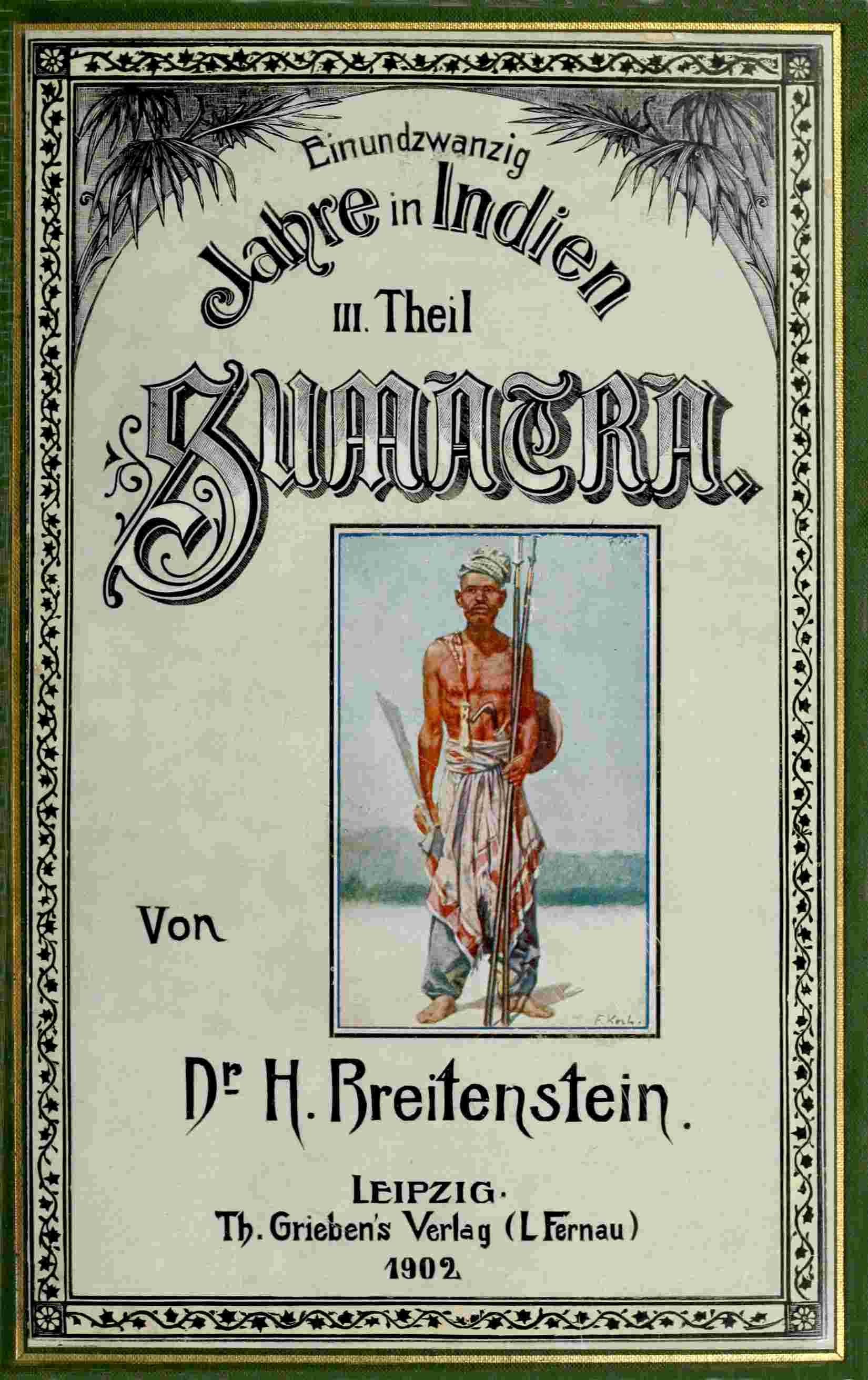 21 Jahre in Indien. Dritter Theil: Sumatra.
by Heinrich Breitenstein
21 Jahre in Indien. Dritter Theil: Sumatra.
by Heinrich Breitenstein
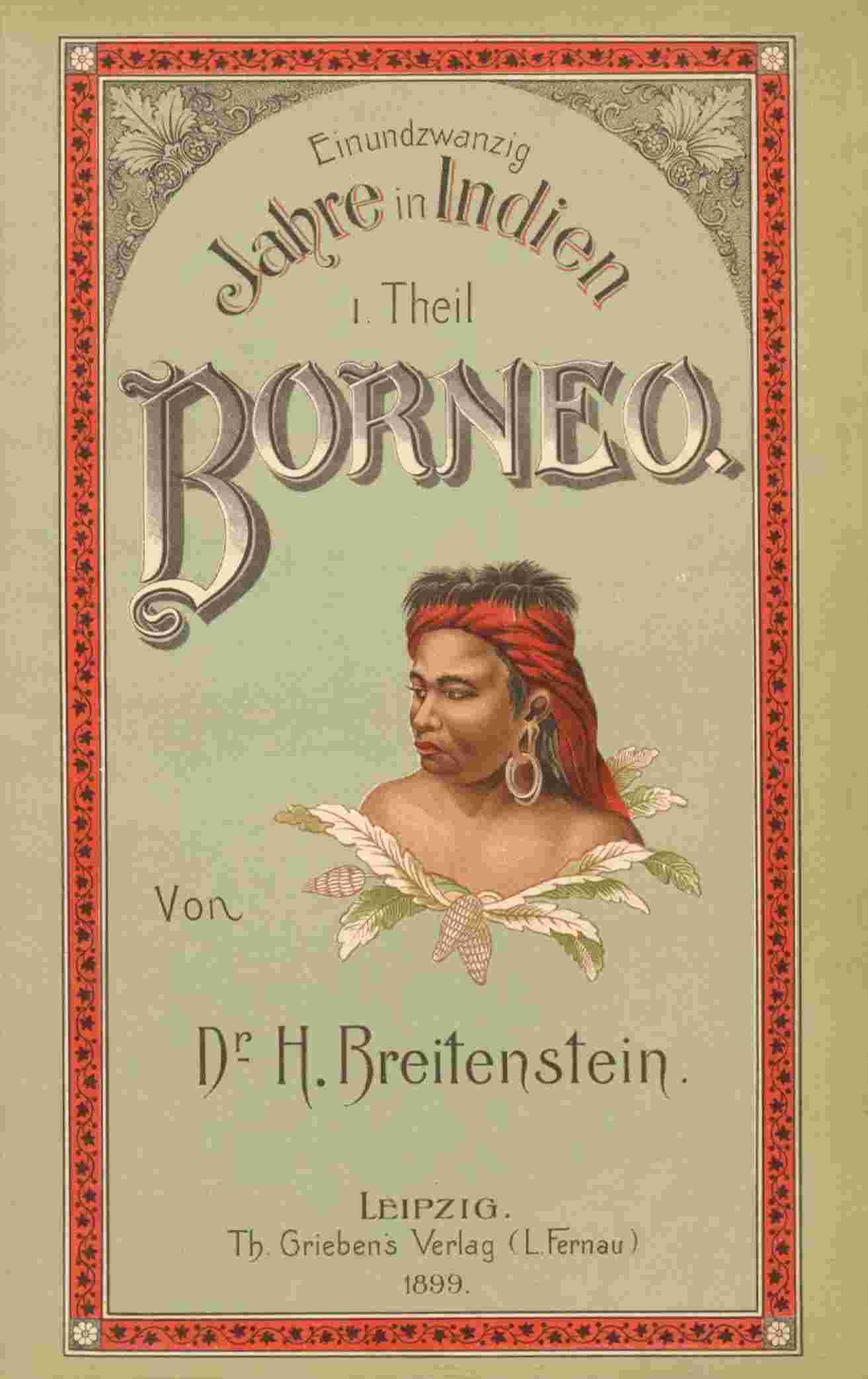 21 Jahre in Indien. Erster Theil: Borneo.
by Heinrich Breitenstein
21 Jahre in Indien. Erster Theil: Borneo.
by Heinrich Breitenstein
 A Bakony (1. kötet)
by Károly Eötvös
A Bakony (1. kötet)
by Károly Eötvös