
INTRODUCTION
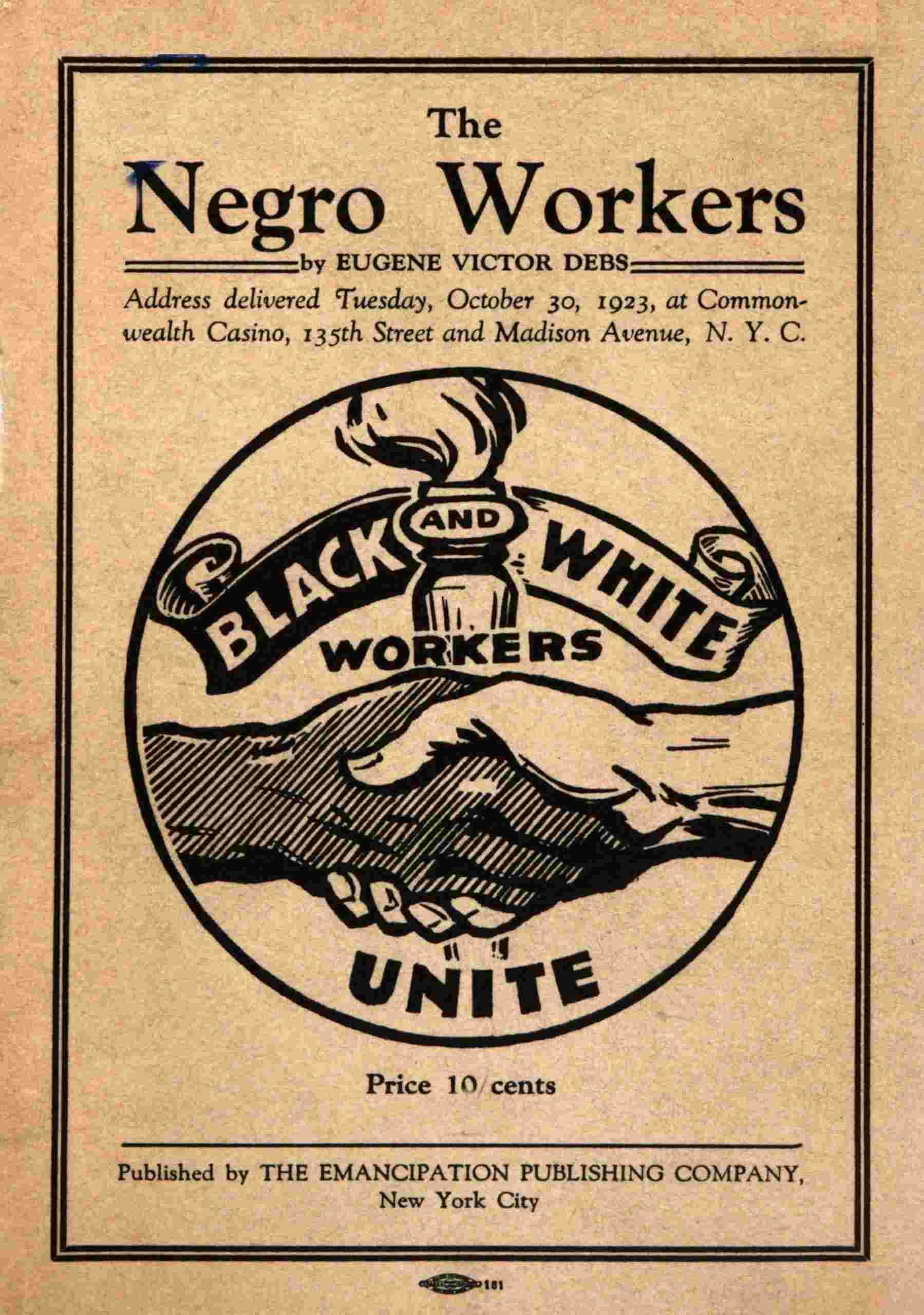
After the preliminary speeches by Comrades James Oneal, author of “The Next Emancipation”; A. Phillip Randolph, editor of “The Messenger,” and Mrs. Lucille Randolph, the chairman of the meeting, Frank R. Crosswaith, presented Mr. Debs with the following glowing remarks:
“And now, comrades and friends, the moment that we have all so anxiously awaited is here. I know with what eagerness you yearn for the eloquent voice, the sweet and inspiring personality of this great man, and his great message. Here is a personality full of that precious tenderness so rare in the average individual, but so much in evidence with Eugene V. Debs. (Applause.)
“Seven years ago I joined the Socialist Party, little did I dream then that I would be the recipient of such an enviable honor as this: the honor of presenting this great character to an audience even though it be in this segregated section of New York City. I stand before you, friends, and say, in all boldness, that I am indeed proud of this honor, and equally proud to be a Socialist hailing this modern crusader as my comrade.
“I have read some history. I have read of such stalwart figures as John Brown, Frederik Douglass, Wendell Phillips, Elijah Lovejoy, Denmark Vessey, Sojourner Truth and others; I have followed with pride the record of their contributions to human progress, as told in the eloquent though mute pages of history. But in reading of these great benefactors, one thing impresses me most of all, and that is, that during their lifetime these brave men and women were despised by society—society ridiculed them, persecuted them, even lynched some of them; then, after they were dead, after their eyes had been closed by the remorseless hand of death, after Mother Earth had opened wide her unprejudiced arms and pressed their lifeless limbs close to her maternal bosom, it was then only that the world recognized their greatness and built monuments to them. In other words, these historic characters came into their own only after they were dead and then garlands were woven for their graves. This, my friends, has been the conduct of the blind majority in every age toward the far-sighted few.
“But here is one whose greatness the world is now beginning audibly to acknowledge, before death shall have silenced his song-seeped soul. Here is a man that is loved, honored and revered in every section of the civilized world where the brutal hands of capitalism and tyranny rule and where the common people hunger for liberty and life. Yes, wherever men thirst for the cooling waters of knowledge and freedom, the name of Eugene V. Debs is known. (Prolonged applause.)
“Tempted as I am on this historic occasion to make a speech, I will, nevertheless, resist the temptation by presenting to you Freedom’s most fearless fighter, oppression’s most valiant foe, Labor’s most eloquent and loyal champion, the Negro’s true friend—Comrade Eugene V. Debs.” (Thunderous and prolonged applause.)