

About This Book
A practical guide details how honey diluted with water is first fermented to alcohol and then oxidized by acetic bacteria to produce vinegar, explaining the microbiology of the vinegar plant and noting that chemical oxidation is also possible. It gives proportions (roughly one part honey to seven or eight parts water), target acidity (around 5 percent), recommended temperature (about 70–80°F), suitable vessels and coverings, and starters such as yeast and mother of vinegar. The text covers nutrient additions, precautions against contamination, fining and ageing, and argues that honey-based vinegar yields superior flavor and greater wholesomeness than many common alternatives.
About the Author

You May Also Like
6 picks
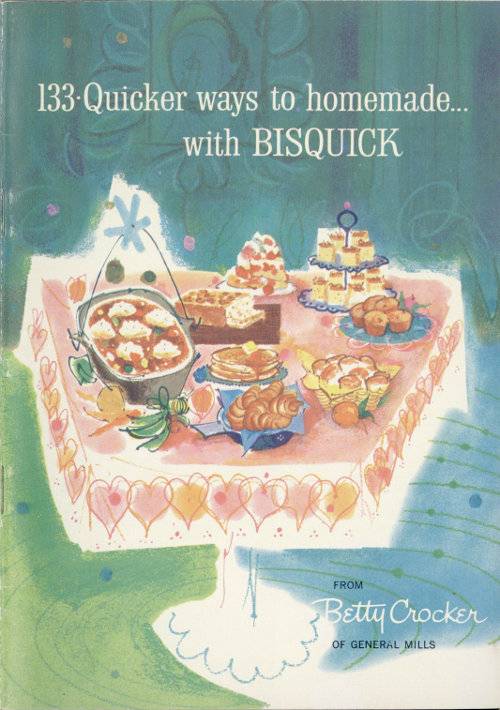 133 Quicker Ways to Homemade, with Bisquick
by Betty Crocker
133 Quicker Ways to Homemade, with Bisquick
by Betty Crocker
 A Course of Lectures on the Principles of Domestic Economy and Cookery
by Juliet Corson
A Course of Lectures on the Principles of Domestic Economy and Cookery
by Juliet Corson
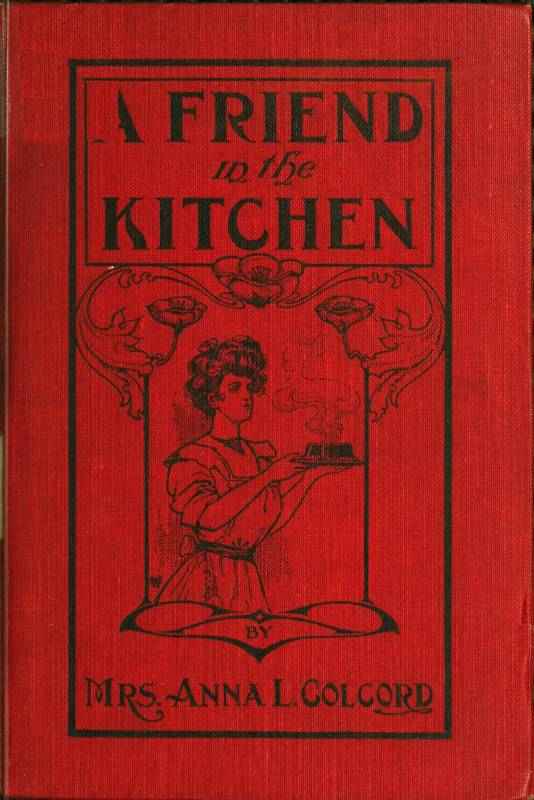 A friend in the kitchen
by Anna L. Colcord
A friend in the kitchen
by Anna L. Colcord
 A guide to modern cookery
by A. Escoffier
A guide to modern cookery
by A. Escoffier
 A Handbook of Cookery for a Small House
by Jessie Conrad
A Handbook of Cookery for a Small House
by Jessie Conrad
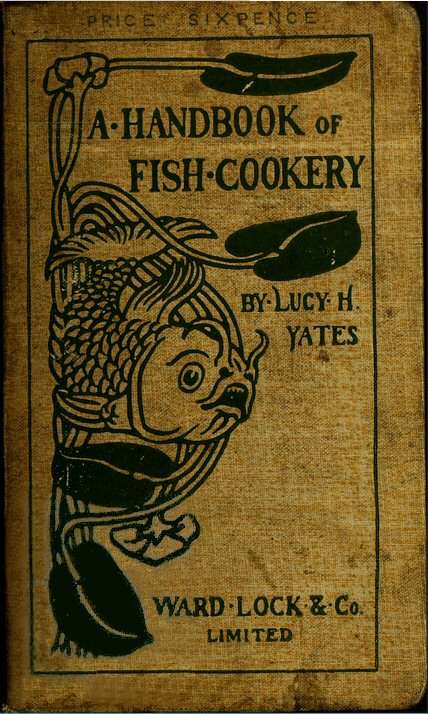 A Handbook of Fish Cookery: How to buy, dress, cook, and eat fish
by Lucy H. Yates
A Handbook of Fish Cookery: How to buy, dress, cook, and eat fish
by Lucy H. Yates