
Protected under the Berne Convention in accordance with Article III. as modified by the Paris additional Act of May 4, 1896.
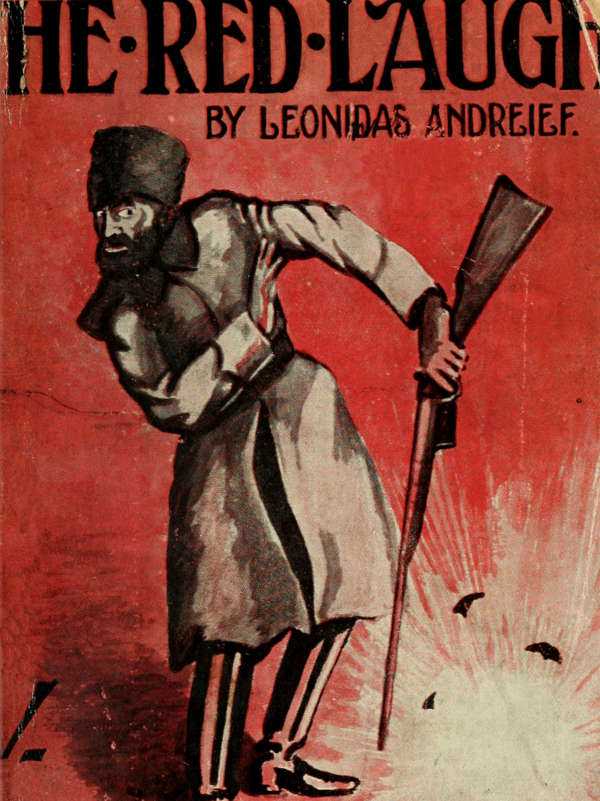
Leonidas Andreief, the author of The Red Laugh and of some volumes of short stories, was born at Orel in 1871. He studied first at the college of his own town, then at St Petersburg University. As a student at St Petersburg, he made a miserable livelihood by giving infrequent lessons at wretched rates, and his first literary efforts belong to this period. His first short story, the subject of which was, in fact, autobiographical—the sorry life of the poor student, always half starving—was derisively rejected. But he gained entry into an important St Petersburg review with another and characteristic short story, Silence, and with it won the attention of the Russian literary world. Now his popularity in Russia almost transcends that of Gorky. Russian critics have said of Andreief, as Victor Hugo said of the author of the Fleurs du Mal, that he has "invented a new thrill," and Andreief seems, indeed, to be most at home in a region of horror, though it is very much psychologised horror, a horror full of fine shades. The Red Laugh is a literary outcome of the late war in Manchuria; it sets forth the anachronism of war as that anachronism is felt by a writer of genius.
O.