
The gate entrance was always important in Tudor times. The gate, usually of pierced ironwork, but also of wood artistically cut into balusters, was hung between two square piers of brick or stone, about ten feet apart. Each pier was surmounted by a stone ball, with or without necking, unless heraldic lions, bears, wyverns, or other emblems of the owner were used. The piers were, as a rule, two feet square and nine, or ten, feet to the top of the cornice. Gateways were also set in walls, and little gates were set in hedges, or flanked by ornamental shrubs.
About This Book
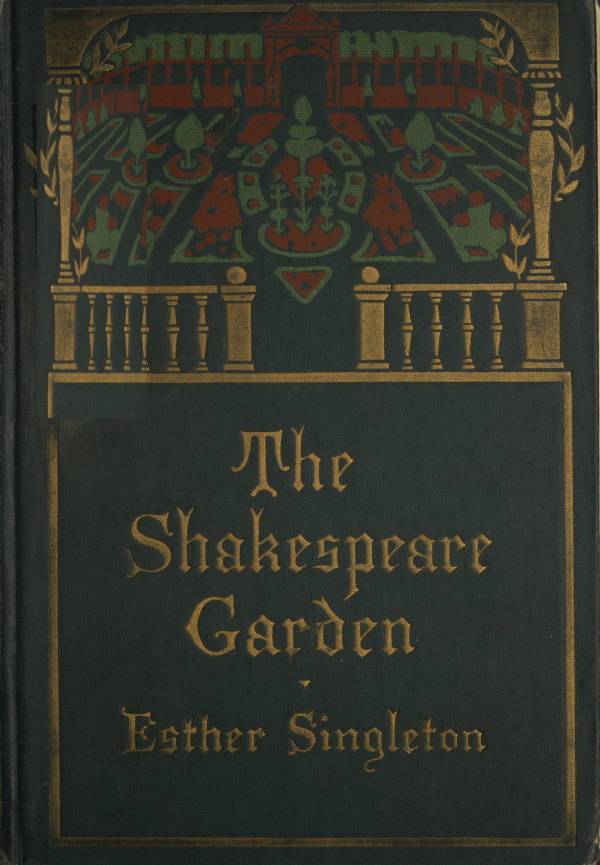
A study of Elizabethan horticulture and the flowers evoked in Shakespeare's plays, this work traces the evolution of medieval enclosed gardens into the Tudor garden of delight, surveys herbalists and the introduction of foreign species, and catalogs the blossoms and folk lore Shakespeare references. It combines close readings of period sources with lists of historically accurate varieties and old common names, and concludes with practical, period-sensitive guidance for recreating an authentic garden layout, choosing appropriate plants, and arranging color and scent according to early modern gardening practices.