
The mount, originally intended to enable persons to look over the enclosing wall, served both as a place to enjoy the view and as a post of outlook in time of danger. Mounts were constructed of wood or stone, curiously adorned within and without. They were also made in the old barrow shape of earth and covered with grass. The top of the mount was often adorned with a summer-house, or arbor. The mount at Hampton Court, constructed in 1533 on a brick foundation, was the first specimen of its day; and the arbor upon it was a very elaborate affair, made of wooden pales and trellis-work. Sometimes the mount, instead of being a raised and detached mound, was formed like a long bank raised against an outer wall.
About This Book
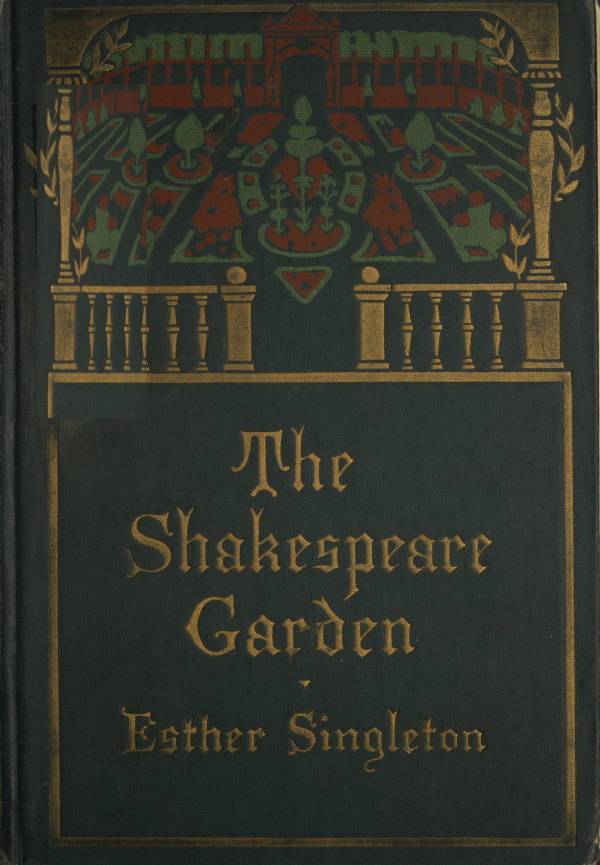
A study of Elizabethan horticulture and the flowers evoked in Shakespeare's plays, this work traces the evolution of medieval enclosed gardens into the Tudor garden of delight, surveys herbalists and the introduction of foreign species, and catalogs the blossoms and folk lore Shakespeare references. It combines close readings of period sources with lists of historically accurate varieties and old common names, and concludes with practical, period-sensitive guidance for recreating an authentic garden layout, choosing appropriate plants, and arranging color and scent according to early modern gardening practices.