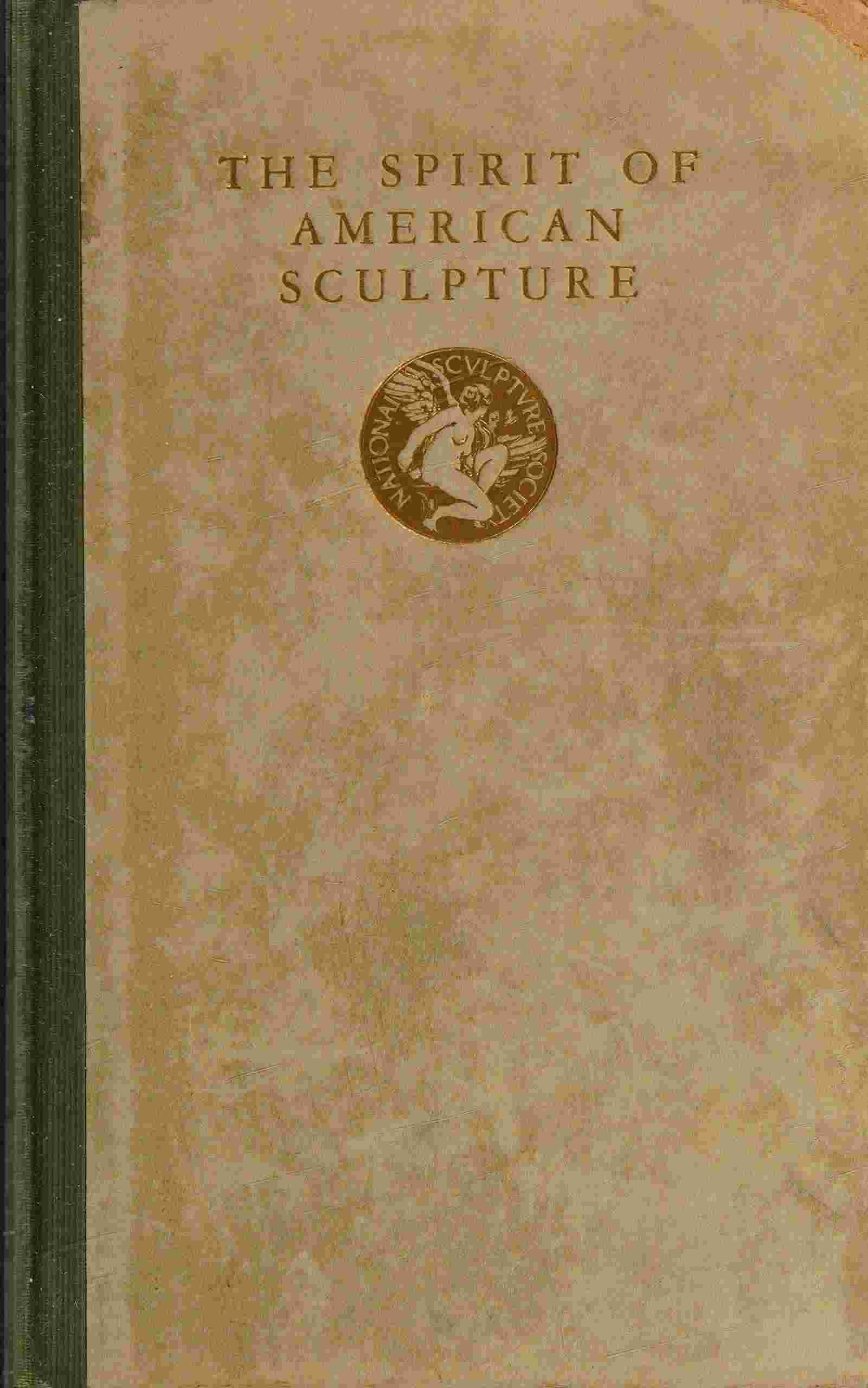
The author surveys the development of American sculpture, tracing how public commissions, wars, international study, and major expositions shaped stylistic change and public taste. She profiles prominent practitioners and public monuments, critiques commercial and overly sentimental memorial trends, and charts influences from European schools alongside occasional experimental departures. The narrative examines shifts in art education, the growing cooperation between museums and manufacture, and debates about appropriate forms of memorial sculpture, offering a concise, critical account of institutional, pedagogical, and aesthetic forces that shaped the nation’s sculptural practice.