CHAPTER TWO
How the Greeks lived in a New World, and utopia seemed just round the corner. How Plato, in the Republic, is chiefly concerned with what will hold the ideal city together.
 WeRead
Powered by ReaderPub
WeRead
Powered by ReaderPub
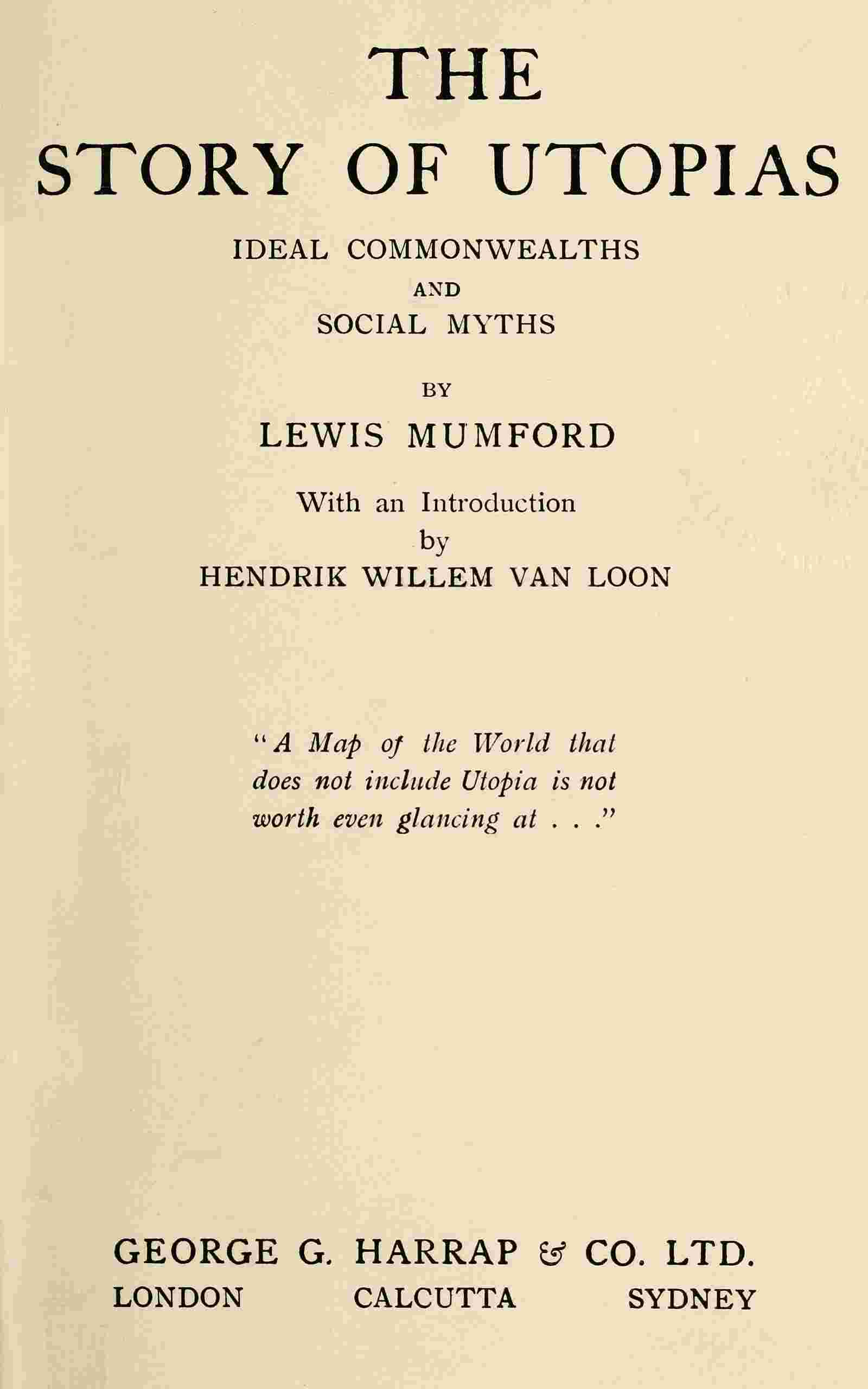
The work traces the history of utopian thinking from classical antiquity through the Renaissance and the modern era, surveying how successive thinkers imagined ideal commonwealths. It examines philosophical blueprints for social order, land-based and industrial schemes, mechanistic and pastoral visions, and the ways technological change reshaped hopes for cooperative communities. Case studies of influential proposals illustrate recurring themes: the tension between individual freedom and collective design, the role of property and industry, and the pitfalls of one-sided reforms. The concluding chapters assess failures of past models and outline principles for a more balanced, practicable eutopia.
How the Greeks lived in a New World, and utopia seemed just round the corner. How Plato, in the Republic, is chiefly concerned with what will hold the ideal city together.