
SCENE II.
THE PRESENTATION.
The restful weeks following the great battle go slowly by. The ranks of the regiment fill up from the return of the slightly wounded and the detached. The white tents about Murfreesborough, placed in regular rows, form a new city of vast extent. Camp duties, drills, inspection, review, guard mounting and dress parade fill the busy hours. The fighting giant is in training for the summer campaign of Tullahoma and the advance into Georgia.
I recall the afternoon of a perfect day in the early spring time. Parade over and dismissed, by some preconcerted signal, to me unknown, the first sergeants do not march the men to quarters, but go to their positions and company commanders take their places in line. “Attention! Battalion!” shouts Major Stratton, assuming the command. I look on somewhat amazed at this sudden devotion to a drill not down in the camp orders.
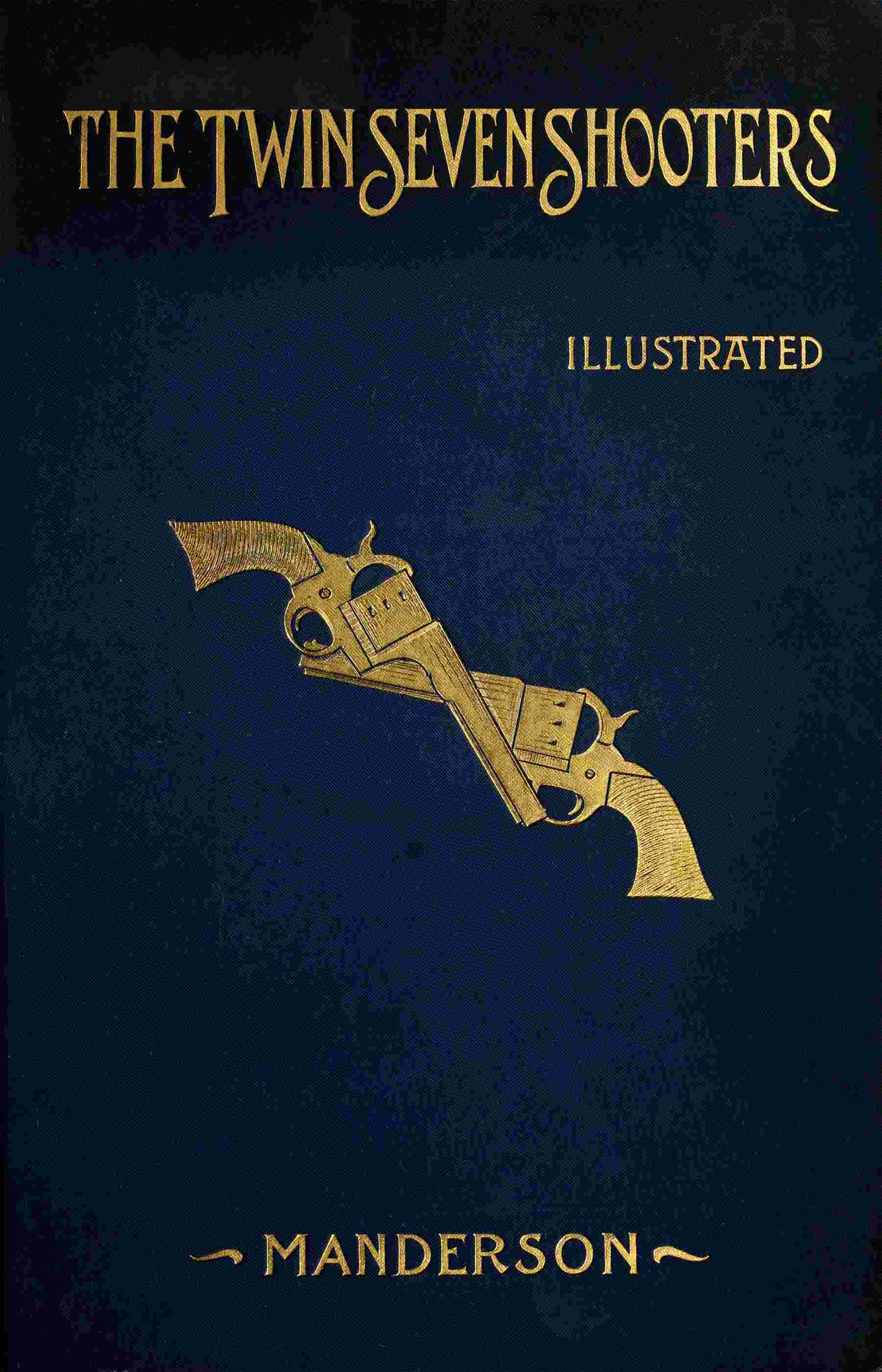
The battalion forms square. I am invited to it, and with speech all too complimentary and feeling reference to the great battle, its losses and its gains, am presented with the beautiful weapons you here admire.
The surprise is only excelled by my delight with the gift. They shall be worn with pride, they shall be used in honor.
I cherish them for the sake of the givers, and practice to know how and to become worthy to use them. They stand me in good stead very often, and familiarity with them does not breed contempt of their power.
Months go by. The Tullahoma campaign has been fought to a finish. On ostensible recruiting service, but really for participation in the momentous Brough-Vallandigham campaign in Ohio, the opportunity is afforded me to go home for a brief season. I avail myself of it, and take proudly home to show to friends the gift of comrades beloved.
The duty in the north performed, I turn south to rejoin the command. The military situation is most interesting. Like the sharp end of a lance, the western army has pierced into the very vitals of the Confederacy. Rosecrans has won his objective, Chattanooga; paying therefor the bloody penalty of Chickamauga, but is practically besieged by an enemy whose camp fires light the many miles of horizon, from where the crouching lion of lofty Lookout Mountain, with extended paws, touches the Tennessee, around the semi-circle of frowning ridges to where the strongly intrenched line again touches the deep flowing river at Tunnel Hill. He is relieved from command by the powers that be, and Thomas, the reliable, the Rock of Chickamauga, beloved of all men, takes his place as chief. He declares his intention to hold his great strategic position “until we starve,” and unless help comes, starvation seems probable.
General George H. Thomas
“The Rock of Chickamauga.”
Hooker is on his way from the east with two corps of veterans of the Potomac, and Sherman marches to us with the victorious columns, flushed with the capture of Vicksburg, from the banks of the Mississippi. The great Captain, with the fame of Fort Donelson and Shiloh, comes also, to assume supreme command. Grant! Sherman! Thomas! Behold the triumvirate! Truly, the great game of war is now to be played by experts. I hasten to take place as one of the pawns.