
WeRead Powered by ReaderPub
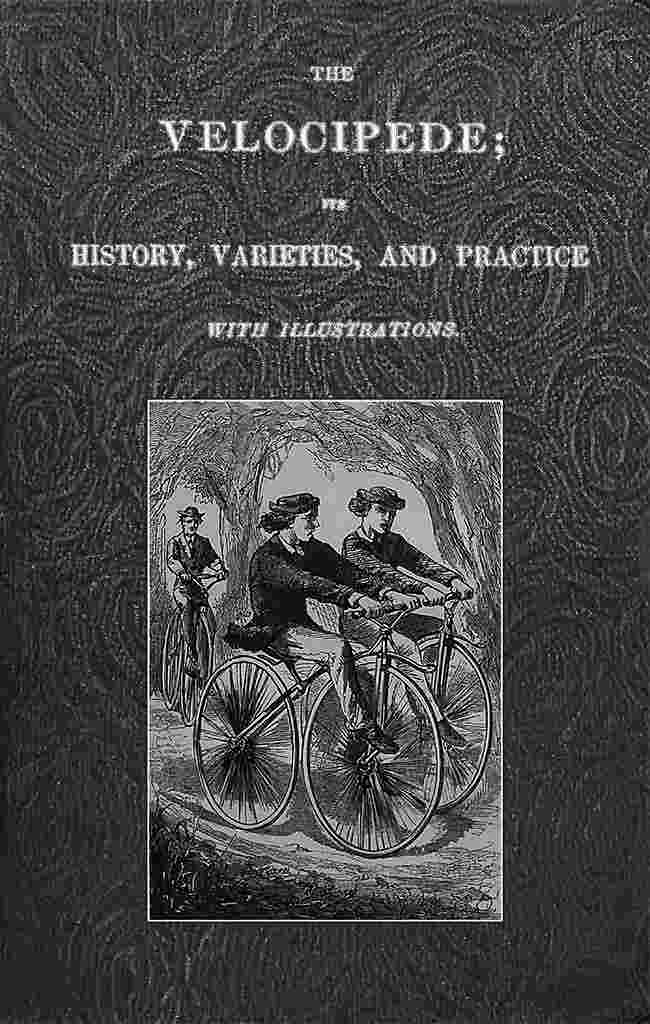
The Velocipede: Its History, Varieties, and Practice cover

The Velocipede: Its History, Varieties, and Practice

Chapter 27: VELOCIPEDE LITERATURE.
Open in WeRead

About This Book

The book traces the development of human-powered two- and multi-wheeled machines from early walking-propelled designs through later bicycle, tricycle, and unicycle forms; it surveys inventors and early models, patents and manufacturing debates, and compares notable contemporary makes. It offers practical guidance for buyers and beginners, discusses construction and varieties—including machines adapted for women—covers riding schools, rinks, and racing, and collects period literature, statistics, and medical opinions on health effects. Illustrated descriptions and measured comparisons aim to inform readers about selection, maintenance, and riding practice as velocipedes grew from novelty to everyday conveyance.

VELOCIPEDE LITERATURE.

Until very recently, velocipede literature has been confined to some few magazine articles, editorials in scientific, illustrated, and other newspapers, and various and constant newspaper squibs.

Now, however, the velocipedestrians have a novelty in a paper of their own, which has made its appearance in New York. It is to be published monthly by Messrs. Pickering & Davis. It is a quarto of eight pages, and is entitled “The Velocipedist.” “The object this paper has in view, is to record everything of interest in the velocipede world.” It is edited by W. Chester King, late of Athens, Greece, whom Horace Greeley, in the “Tribune” of February 1st, 1869, justly styles a “brilliant and accomplished young litterateur.” This young gentleman has distinguished himself, in a marked manner, in various branches of journalism; and “in velocipede literature he is as far ahead of his contemporaries as, in Virgil, Tityrus tells us, Rome was in advance of other cities.

‘Verum hæc centum alias inter caput extulit urbes
Quantum lenta solent inter viburna cupressi.’”