
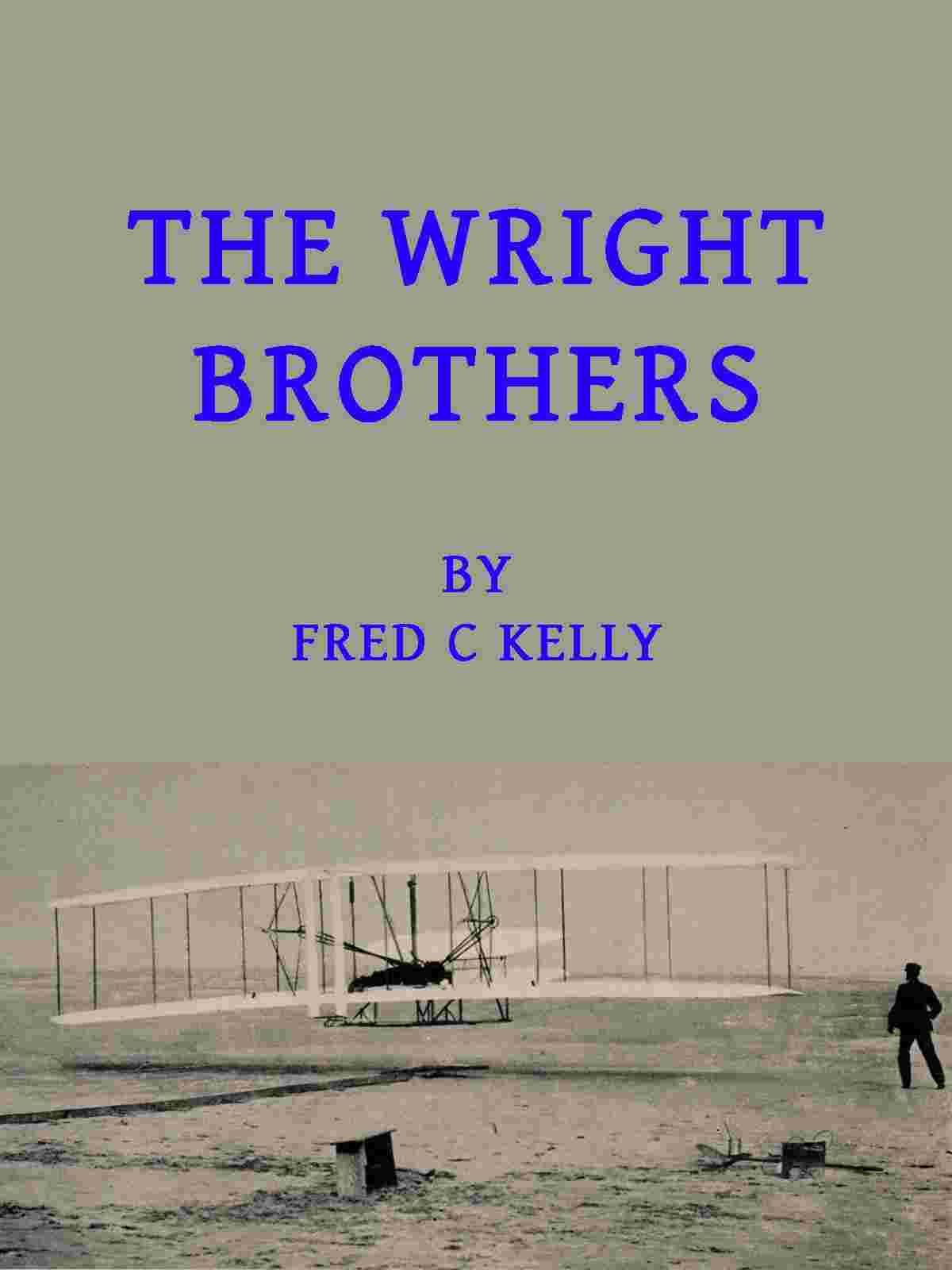
THE WRIGHT BROTHERS
PROLOGUE
In a corner of the Pullman smoking compartment, by the window, the man who had been explaining the whole economic system mentioned inventors as an example of the fortunate relationship between desire for money and scientific progress.
“Take the Wright brothers,” he said. “Would they have worked all those years trying to fly just for their health?”
Another passenger ventured to ask: “Don’t people sometimes become curious about a problem and work to see what they can find out?”
The man by the window chuckled tolerantly as he replied: “Do you think those Wright brothers would have kept on pouring money into their experiments and risking their lives if they hadn’t hoped to get rich at it? No, sir! It was the chance to make a fortune that kept them going.” Most of the other passengers in the compartment nodded in agreement.
Not long afterward, one of those who had overheard that conversation was in Dayton, Ohio, and inquired of his friend Orville Wright: “Do you think the expectation of profit is the main incentive to inventors?”
Orville Wright didn’t think so. He doubted if Alexander Graham Bell expected to make much out of the telephone. And it seemed to him unlikely that Edison started out with the idea of making money. Certainly, he said, Steinmetz had little interest in financial reward. All Steinmetz asked of life was the opportunity to spend as much time as possible in the laboratory working at problems that interested him.
“And the Wright brothers?”
If they had been interested in invention with the idea of making money, said Orville Wright, looking amused, they “most assuredly would have tried something in which the chances for success were brighter.”