
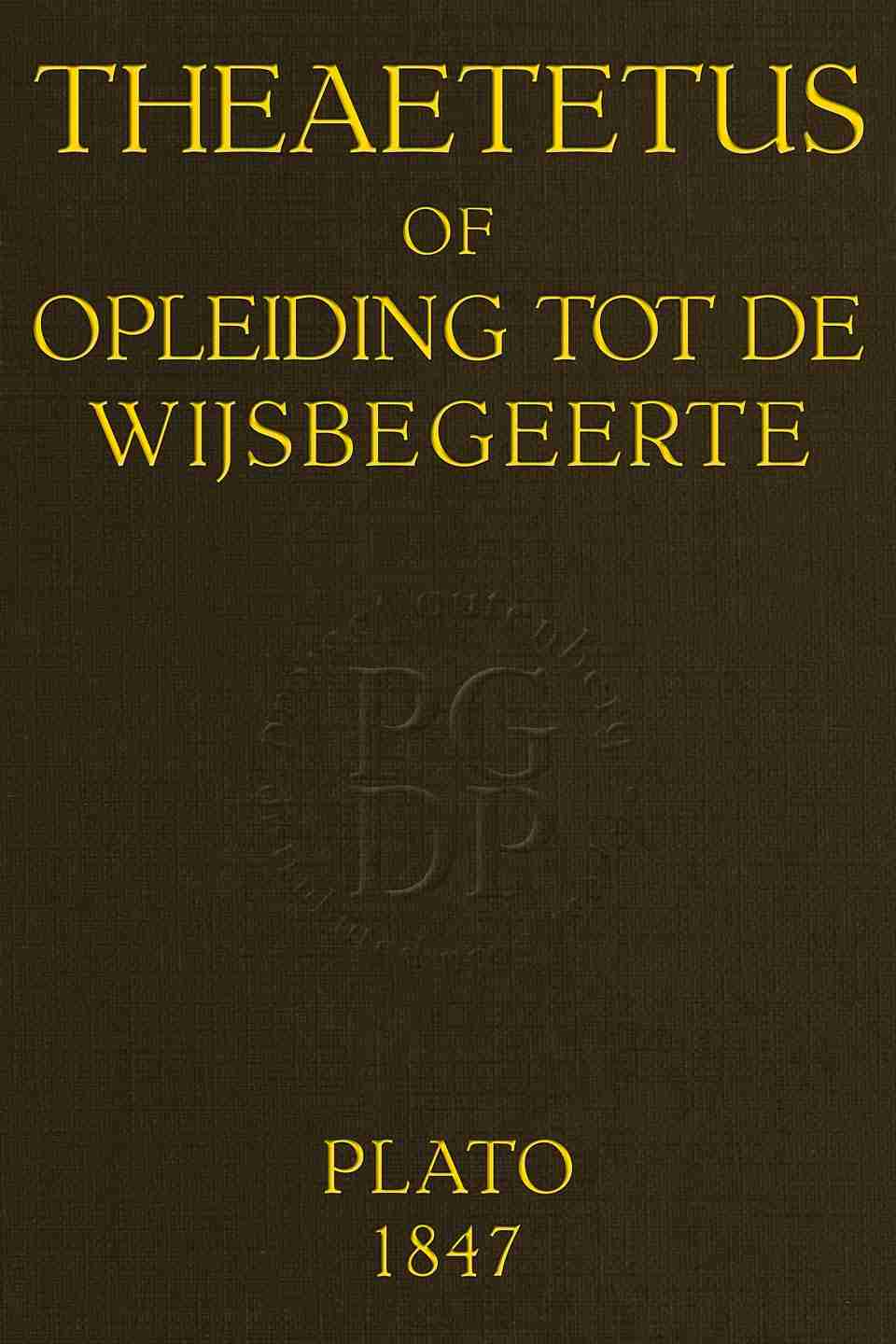
About This Book
The dialogue stages a systematic inquiry into the nature of human knowledge, opening with debates over whether knowledge reduces to perceptual experience and testing the consequences of perceptual relativism. The discussants then consider knowledge as true belief and subsequently as true belief accompanied by an account, probing what additional element would secure epistemic status. Mathematical examples and skeptical puzzles are deployed to expose problems about false judgment, the objectivity of definitions, and the demands of explanation. The interrogation proceeds by careful questioning and refutation, and it concludes inconclusively, underscoring the persistent conceptual difficulties in formulating a satisfactory theory of knowledge.
About the Author

More Books by This Author
6 picks




You May Also Like
6 picks
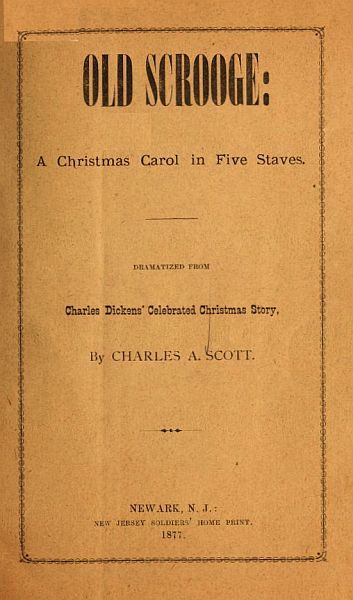 "Old Scrooge": A Christmas Carol in Five Staves. / Dramatized from Charles Dickens' Celebrated Christmas Story.
by Charles Augustus Scott
"Old Scrooge": A Christmas Carol in Five Staves. / Dramatized from Charles Dickens' Celebrated Christmas Story.
by Charles Augustus Scott
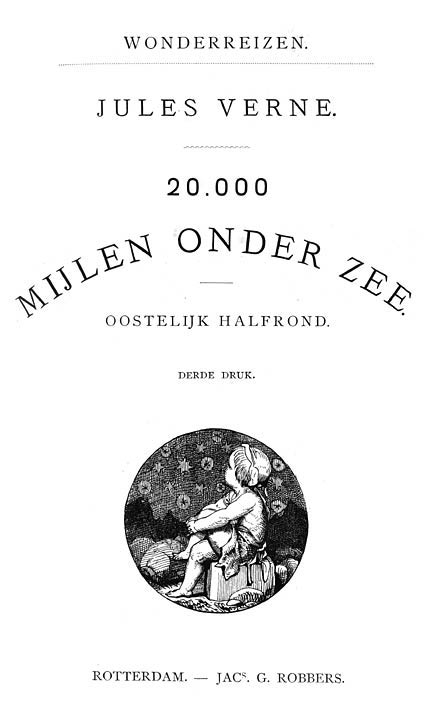 20.000 Mijlen onder Zee: Oostelijk Halfrond
by Jules Verne
20.000 Mijlen onder Zee: Oostelijk Halfrond
by Jules Verne
 20.000 Mijlen onder Zee: Westelijk Halfrond
by Jules Verne
20.000 Mijlen onder Zee: Westelijk Halfrond
by Jules Verne
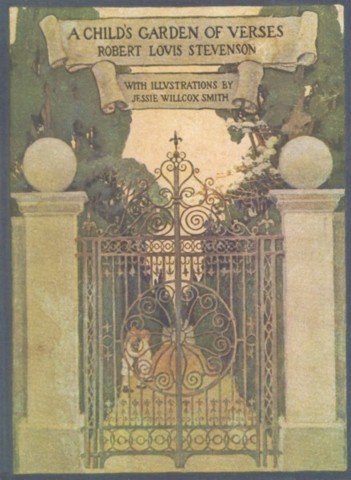 A Child's Garden of Verses
by Robert Louis Stevenson
A Child's Garden of Verses
by Robert Louis Stevenson
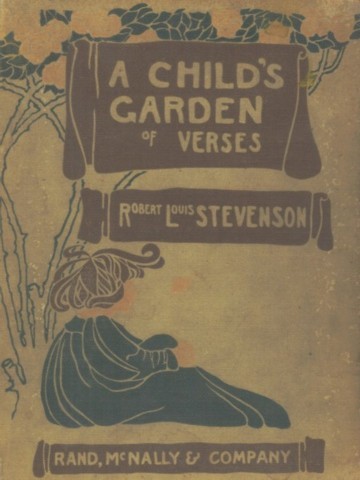 A Child's Garden of Verses
by Robert Louis Stevenson
A Child's Garden of Verses
by Robert Louis Stevenson
 A Child's Garden of Verses
by Robert Louis Stevenson
A Child's Garden of Verses
by Robert Louis Stevenson