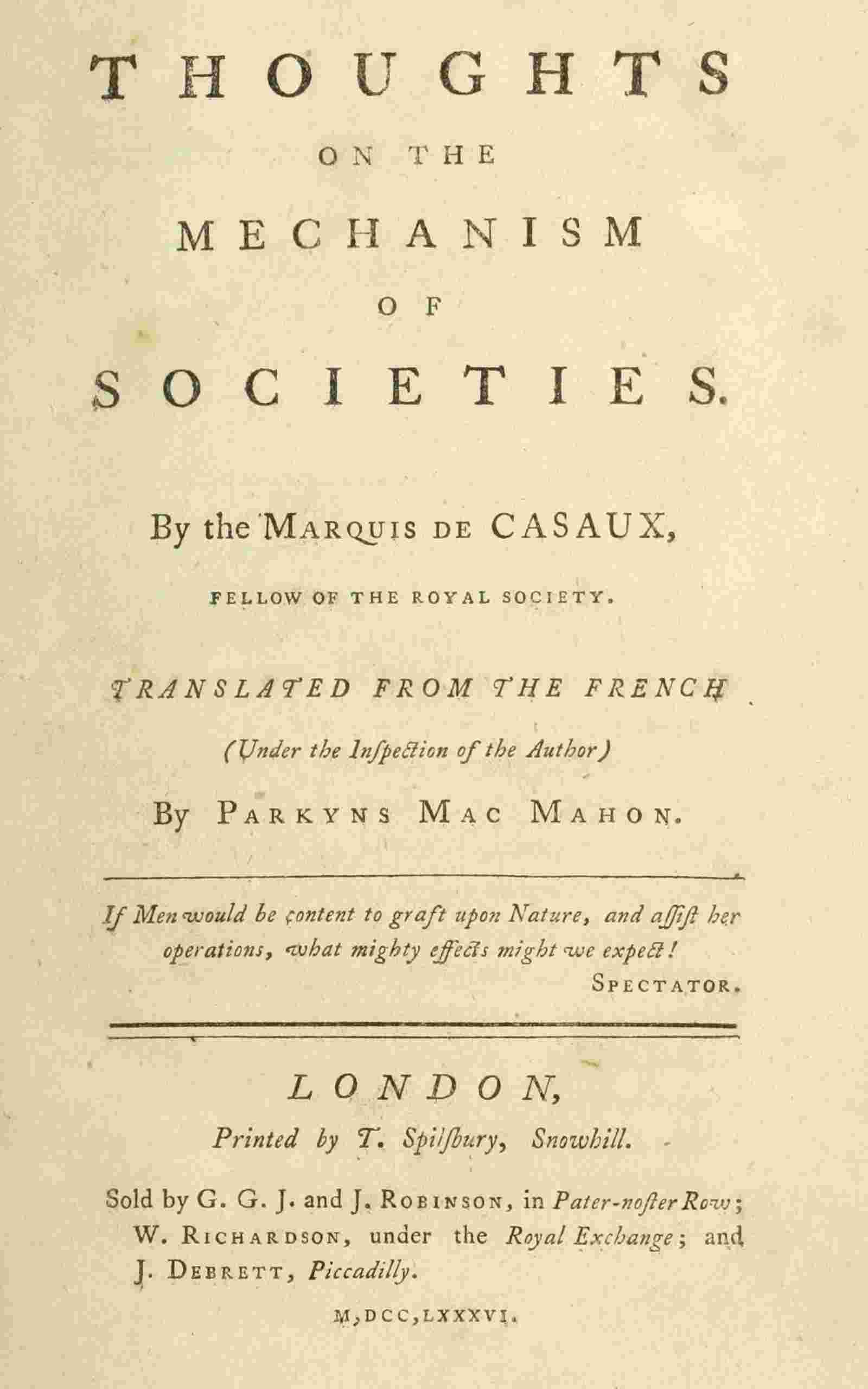
An extended political-economy essay examines national debt, taxation, and the economic forces that produce public wealth. After surveying the country's material improvement despite heavy borrowing, the author attributes growth to savings generated by agriculture and industry, contending these have doubled landed revenue and underpinned prosperity. He challenges conventional calls for large-scale reimbursement or hoarded reserves, arguing that reimbursement could be useless or harmful and that taxation, properly analyzed and apportioned, can serve public welfare. The work decomposes imposts, questions fiscal imperfections, and proposes pragmatic fiscal arrangements to secure interest payments while warning against cosmetic financial operations by ministers.