
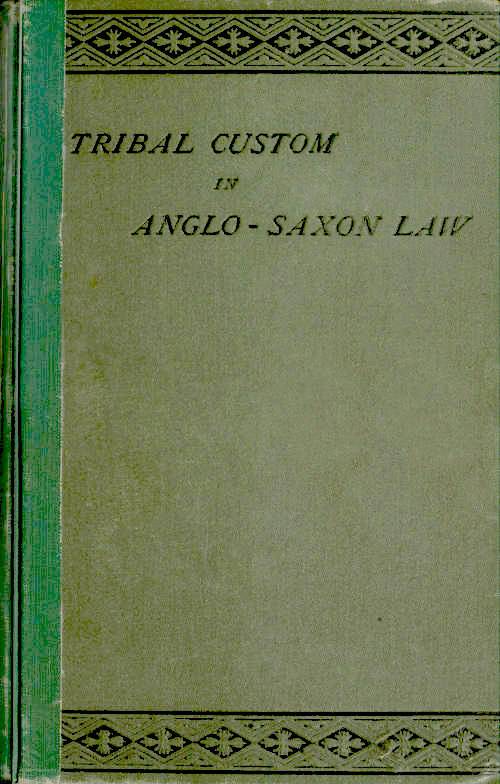
Tribal Custom in Anglo-Saxon Law / Being an Essay Supplemental to (1) 'The English Village Community', (2) 'The Tribal System in Wales'
Explore more books like this:
About This Book
The essay analyzes early Anglo-Saxon laws through the lens of tribal custom, using a comparative survey of neighboring and continental tribal systems to identify survivals and changes. It opens with a study of the currencies and units in which wergelds and similar fines were reckoned and paid, connecting monetary measures to social valuation. A detailed account of Cymric tribal structure, focusing on the gwely family unit and the galanas death-fine, is supplemented by evidence drawn from Beowulf and Irish practice. Continental codes and Norse laws are examined for disintegration or persistence of tribal norms under external influences, and the Anglo-Saxon laws are finally reassessed within this wider framework to clarify kin liability, homicide payments, and communal organization.
About the Author

More Books by This Author
 The English Village Community / Examined in its Relations to the Manorial and Tribal Systems and to the Common or Open Field System of Husbandry; An Essay in Economic History (Reprinted from the Fourth Edition)
by Frederic Seebohm
The English Village Community / Examined in its Relations to the Manorial and Tribal Systems and to the Common or Open Field System of Husbandry; An Essay in Economic History (Reprinted from the Fourth Edition)
by Frederic Seebohm
 The Oxford Reformers: John Colet, Erasmus, and Thomas More
by Frederic Seebohm
The Oxford Reformers: John Colet, Erasmus, and Thomas More
by Frederic Seebohm
You May Also Like
 "Bear ye one another's burdens." A Plain Sermon on the Lancashire Distress
by James Galloway Cowan
"Bear ye one another's burdens." A Plain Sermon on the Lancashire Distress
by James Galloway Cowan
 "Brother Bosch", an Airman's Escape from Germany
by Gerald Featherstone Knight
"Brother Bosch", an Airman's Escape from Germany
by Gerald Featherstone Knight
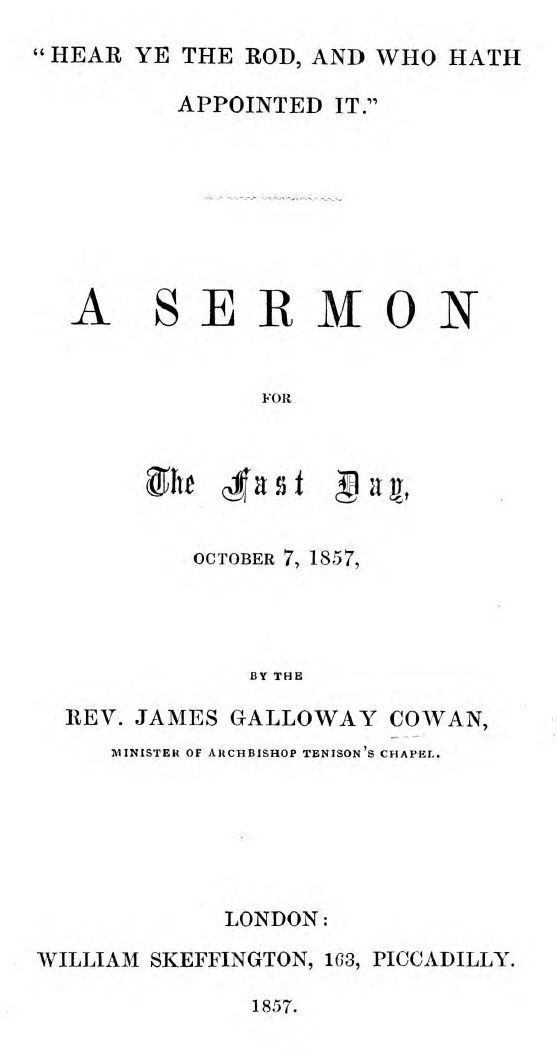 "Hear Ye the Rod, and Who Hath Appointed It" / A Sermon for the Fast Day, October 7, 1857
by James Galloway Cowan
"Hear Ye the Rod, and Who Hath Appointed It" / A Sermon for the Fast Day, October 7, 1857
by James Galloway Cowan
 "The Red Watch": With the First Canadian Division in Flanders
by John Allister Currie
"The Red Watch": With the First Canadian Division in Flanders
by John Allister Currie
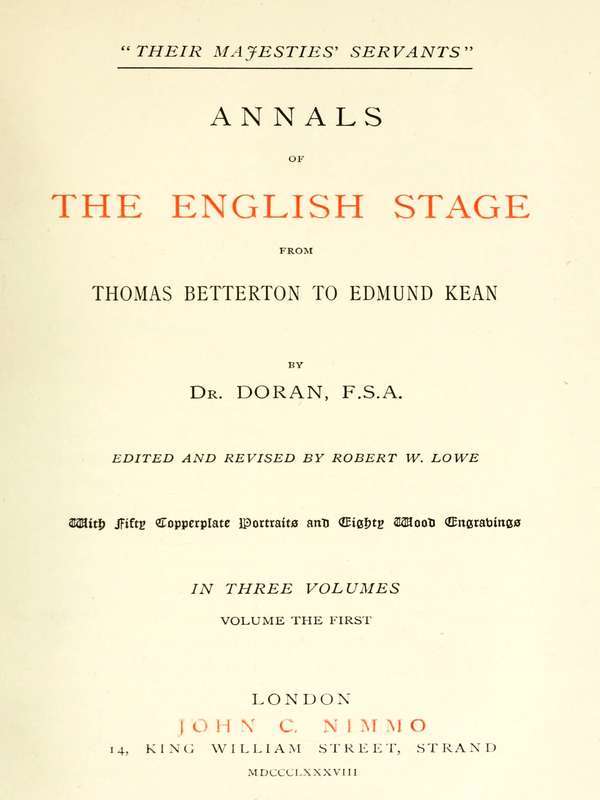 "Their Majesties' Servants." Annals of the English Stage (Volume 1 of 3)
by Dr. Doran
"Their Majesties' Servants." Annals of the English Stage (Volume 1 of 3)
by Dr. Doran
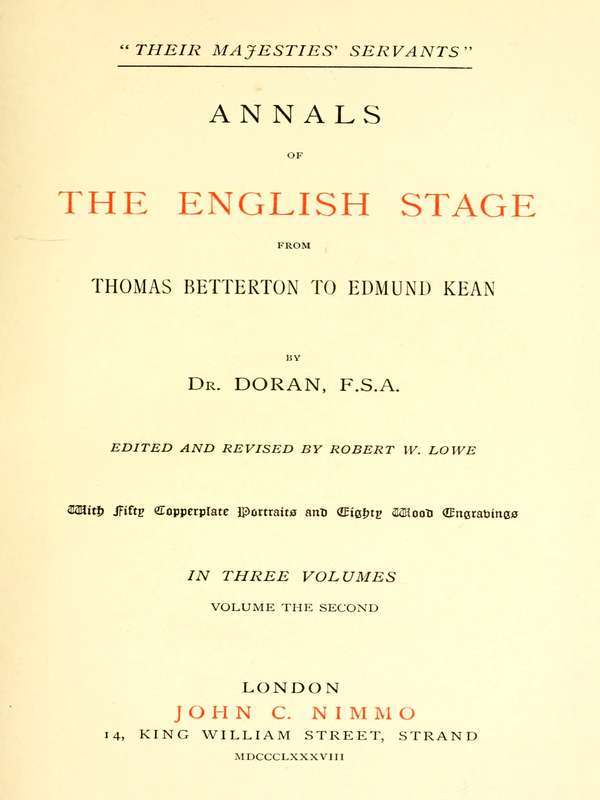 "Their Majesties' Servants." Annals of the English Stage (Volume 2 of 3)
by Dr. Doran
"Their Majesties' Servants." Annals of the English Stage (Volume 2 of 3)
by Dr. Doran