
![Two Dyaloges (c. 1549) / Wrytten in laten by the famous clerke, D. Erasm[us] of Roterodame, one called Polyphemus or the gospeller, the other dysposyng of thynges and names, translated in to Englyshe by Edmonde Becke. cover](/books/content/14500/OEBPS/2505839255930553770_titlepage.jpg)
Two Dyaloges (c. 1549) / Wrytten in laten by the famous clerke, D. Erasm[us] of Roterodame, one called Polyphemus or the gospeller, the other dysposyng of thynges and names, translated in to Englyshe by Edmonde Becke.
Explore more books like this:
About This Book
Two brief Latin dialogues translated into early English stage a satirical, thoughtful inquiry into faith, appearance, and language. One conversation uses the comic surprise of a coarse-looking man bearing a richly adorned gospel to debate judging outward form versus inward virtue and the proper respect due sacred texts. The other turns to etymology and the logic of naming, probing how words shape thought and how translation can alter sense. Together the pieces mix wit, moral critique, and linguistic reflection to question pretension, defend sincere belief, and highlight difficulties in conveying meaning across tongues.
About the Author

More Books by This Author
6 picks
![A dialoge or communication of two persons / Deuysyd and set forthe in the late[n] tonge, by the noble and famose clarke. Desiderius Erasmus intituled [the] pylgremage of pure deuotyon. Newly tra[n]slatyd into Englishe. cover](/books/content/14746/OEBPS/3399805604626563338_14746-cover.png) A dialoge or communication of two persons / Deuysyd and set forthe in the late[n] tonge, by the noble and famose clarke. Desiderius Erasmus intituled [the] pylgremage of pure deuotyon. Newly tra[n]slatyd into Englishe.
by Desiderius Erasmus
A dialoge or communication of two persons / Deuysyd and set forthe in the late[n] tonge, by the noble and famose clarke. Desiderius Erasmus intituled [the] pylgremage of pure deuotyon. Newly tra[n]slatyd into Englishe.
by Desiderius Erasmus
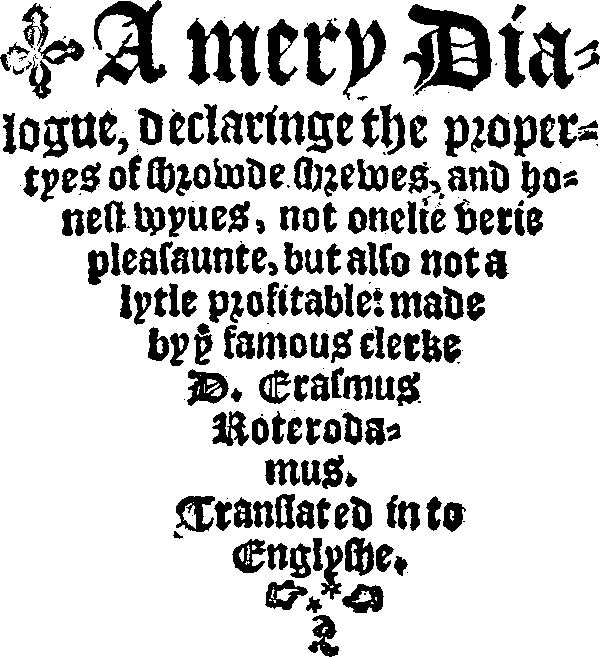 A Merry Dialogue Declaringe the Properties of Shrowde Shrews and Honest Wives
by Desiderius Erasmus
A Merry Dialogue Declaringe the Properties of Shrowde Shrews and Honest Wives
by Desiderius Erasmus
 A Modest Meane to Mariage / pleasauntly set foorth by that famous Clarke Erasmus Roterodamus, and translated into Englishe by N.L.
by Desiderius Erasmus
A Modest Meane to Mariage / pleasauntly set foorth by that famous Clarke Erasmus Roterodamus, and translated into Englishe by N.L.
by Desiderius Erasmus
 A Very Pleasaunt & Fruitful Diologe Called the Epicure
by Desiderius Erasmus
A Very Pleasaunt & Fruitful Diologe Called the Epicure
by Desiderius Erasmus
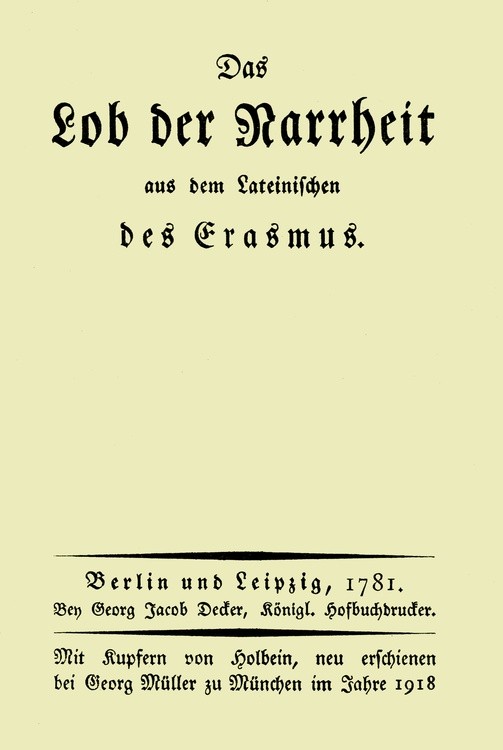 Das Lob der Narrheit
by Desiderius Erasmus
Das Lob der Narrheit
by Desiderius Erasmus
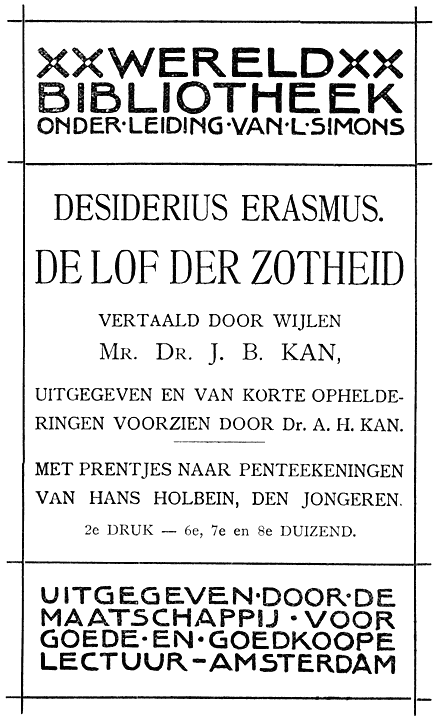 De Lof der Zotheid
by Desiderius Erasmus
De Lof der Zotheid
by Desiderius Erasmus
You May Also Like
6 picks
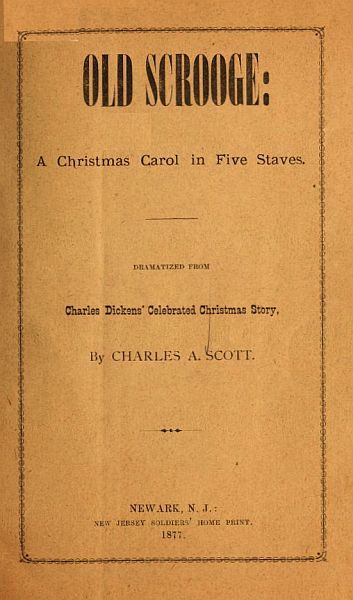 "Old Scrooge": A Christmas Carol in Five Staves. / Dramatized from Charles Dickens' Celebrated Christmas Story.
by Charles Augustus Scott
"Old Scrooge": A Christmas Carol in Five Staves. / Dramatized from Charles Dickens' Celebrated Christmas Story.
by Charles Augustus Scott
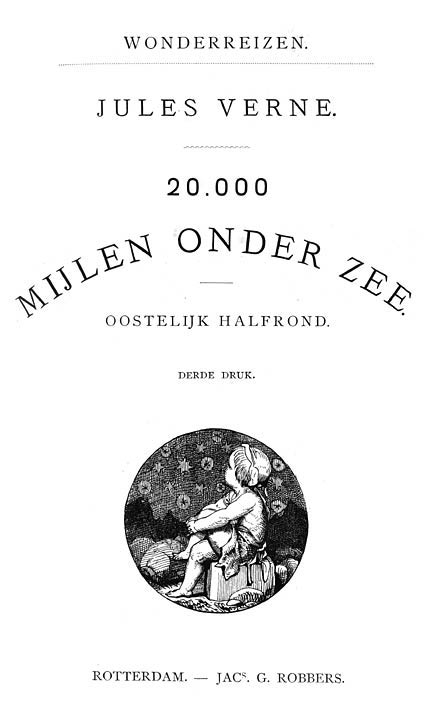 20.000 Mijlen onder Zee: Oostelijk Halfrond
by Jules Verne
20.000 Mijlen onder Zee: Oostelijk Halfrond
by Jules Verne
 20.000 Mijlen onder Zee: Westelijk Halfrond
by Jules Verne
20.000 Mijlen onder Zee: Westelijk Halfrond
by Jules Verne
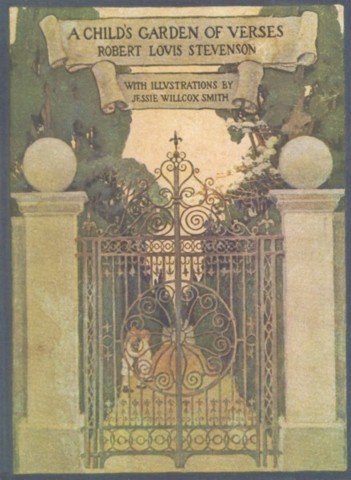 A Child's Garden of Verses
by Robert Louis Stevenson
A Child's Garden of Verses
by Robert Louis Stevenson
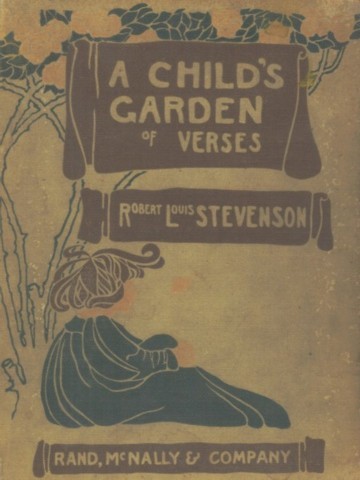 A Child's Garden of Verses
by Robert Louis Stevenson
A Child's Garden of Verses
by Robert Louis Stevenson
 A Child's Garden of Verses
by Robert Louis Stevenson
A Child's Garden of Verses
by Robert Louis Stevenson