

About This Book
An account of a two-year experiment in simple living beside a New England pond combines personal memoir, natural observation, and philosophical reflection on economy, solitude, community, and moral self-reliance. The writer describes building his own house, daily routines, seasonal changes, encounters with neighbors and wildlife, and critiques of materialism and conformity. Interspersed essays explore higher moral laws, civil responsibilities, and the spiritual value of wildness. A separate essay argues that individuals must follow conscience rather than unjust laws, advocating nonviolent resistance to government actions perceived as immoral. Practical detail and lyrical description support sustained reflections on independence, simplicity, and the duties of conscience.
About the Author
More Books by This Author
 A Plea for Captain John Brown / Read to the citizens of Concord, Massachusetts on Sunday evening, October thirtieth, eighteen fifty-nine
by Henry David Thoreau
A Plea for Captain John Brown / Read to the citizens of Concord, Massachusetts on Sunday evening, October thirtieth, eighteen fifty-nine
by Henry David Thoreau
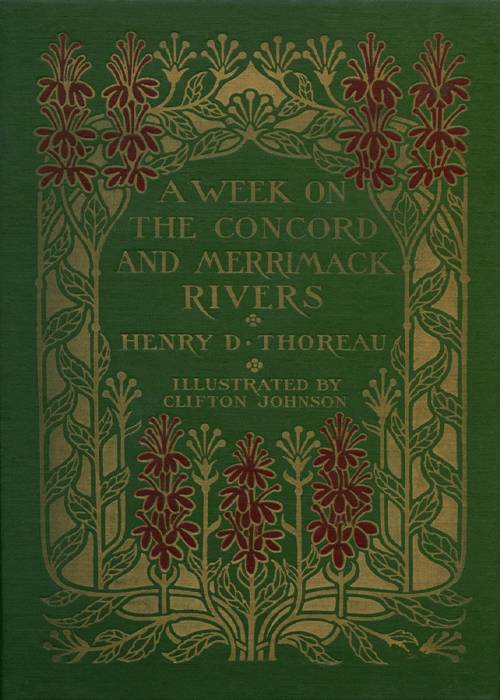 A Week on the Concord and Merrimack Rivers
by Henry David Thoreau
A Week on the Concord and Merrimack Rivers
by Henry David Thoreau
 A Yankee in Canada, with Anti-slavery and reform papers.
by Henry David Thoreau
A Yankee in Canada, with Anti-slavery and reform papers.
by Henry David Thoreau
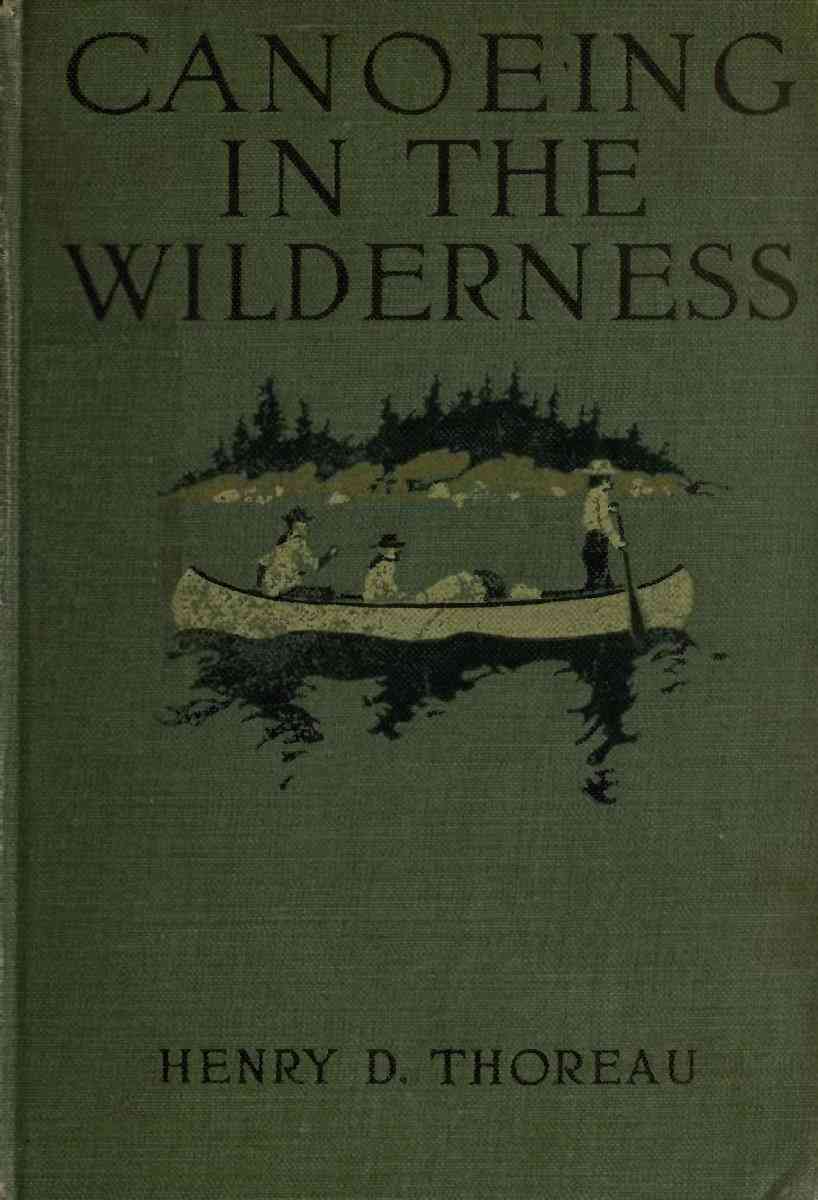 Canoeing in the wilderness
by Henry David Thoreau
Canoeing in the wilderness
by Henry David Thoreau
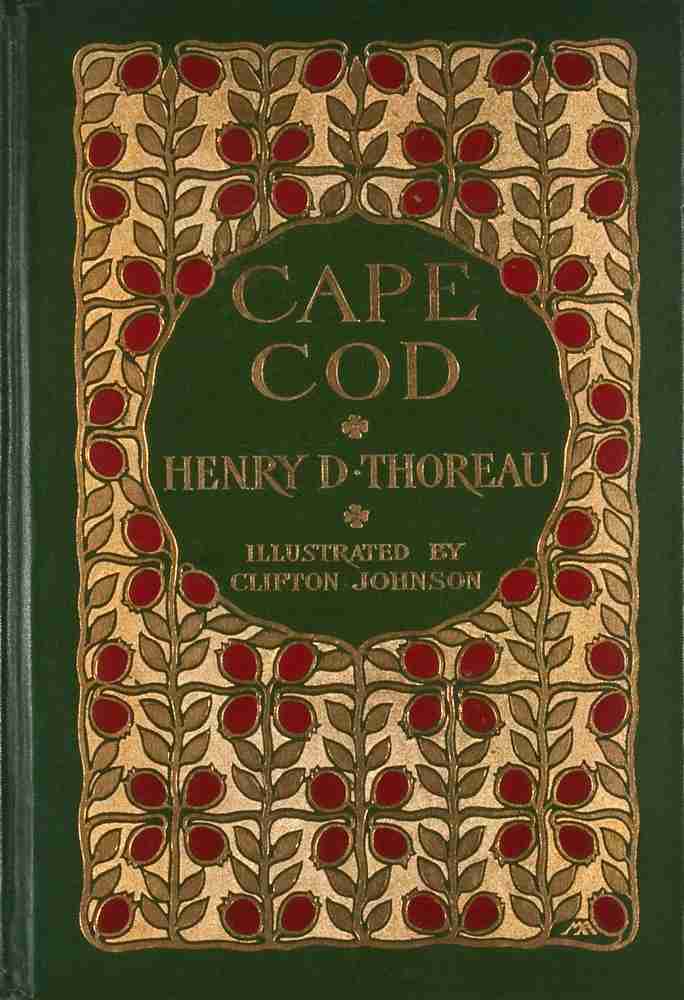 Cape Cod
by Henry David Thoreau
Cape Cod
by Henry David Thoreau
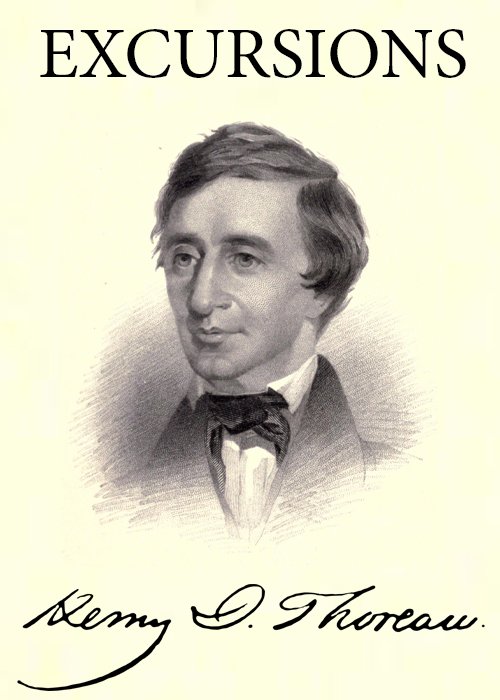 Excursions
by Henry David Thoreau
Excursions
by Henry David Thoreau
You May Also Like
 "All's not Gold that Glitters;" or, The Young Californian
by Alice B. Haven
"All's not Gold that Glitters;" or, The Young Californian
by Alice B. Haven
 "Bring Me His Ears"
by Clarence Edward Mulford
"Bring Me His Ears"
by Clarence Edward Mulford
 "Browne's Folly" / (From: "The Doliver Romance and Other Pieces: Tales and Sketches")
by Nathaniel Hawthorne
"Browne's Folly" / (From: "The Doliver Romance and Other Pieces: Tales and Sketches")
by Nathaniel Hawthorne
 "Forward, March": A Tale of the Spanish-American War
by Kirk Munroe
"Forward, March": A Tale of the Spanish-American War
by Kirk Munroe
 "Gentlemen prefer blondes"
by Anita Loos
"Gentlemen prefer blondes"
by Anita Loos
 "George Washington's" Last Duel / 1891
by Thomas Nelson Page
"George Washington's" Last Duel / 1891
by Thomas Nelson Page