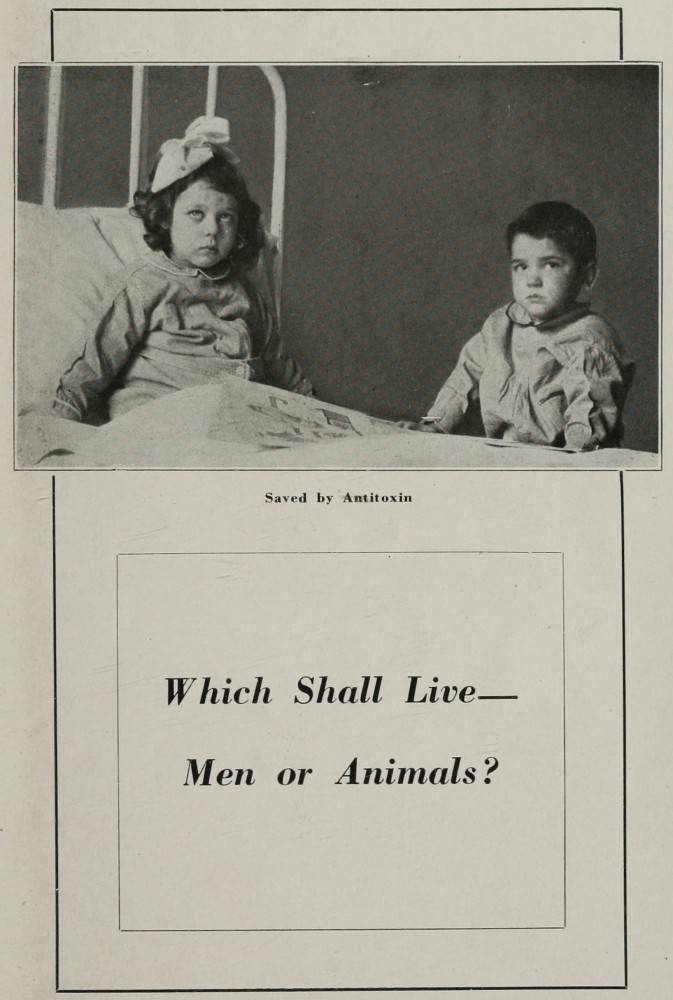
The essay examines the role of experiments on mammals in medical progress, arguing that controlled animal studies revealed the transmission of bubonic plague and enabled practical public-health measures. It outlines categories of research, from pure bacteriological investigations that identified new zoonoses to surgical experimentation and training that developed operative techniques and increased practitioner skill. The author describes how laboratory work on rats, guinea pigs, monkeys, and dogs clarified disease transmission, refined operative methods under anesthesia, and informed prevention programs such as rodent and flea control. Ethical tensions are acknowledged through consideration of necessity, suffering minimization, and the public benefits of such research.