
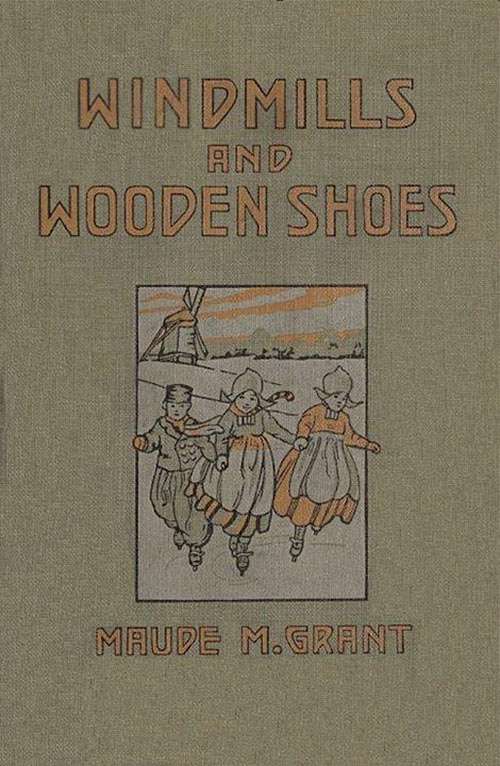
In “Windmills and Wooden Shoes” we have a continuous story of the doings of the Dutch children, Jan and Katrina and their little friends.
Teach the children to read this book so that the personalities of the children depicted therein will become vividly lifelike to the little readers. Encourage them to bring to class pictures of Dutch life and of Holland scenery.
Make the children in the book live for the children in the class. Let them close their eyes and see in imagination the big windmill, the canals with the drooping willow trees, the slow-moving barge, and the shadows in the water. Picture the busy market place, and the Dutch children at work and at play. Teach the children the words and music of the little song found on page 6. Both the words and music have been arranged to give the rhythmic sound of the wooden shoes as the little Dutch wearers “klip klop” about in their work and play.
The lessons in the book may be illustrated by the children with drawings and paper cuttings,—the Dutch house, the windmill, the Dutch children, the flowers in the garden, the stork, the geese, the dog and the milk-cart, the boats, the wooden shoes, and many other things that will suggest themselves from the text to the ingenious teacher.
MAUDE M. GRANT,
Monroe, Michigan.