
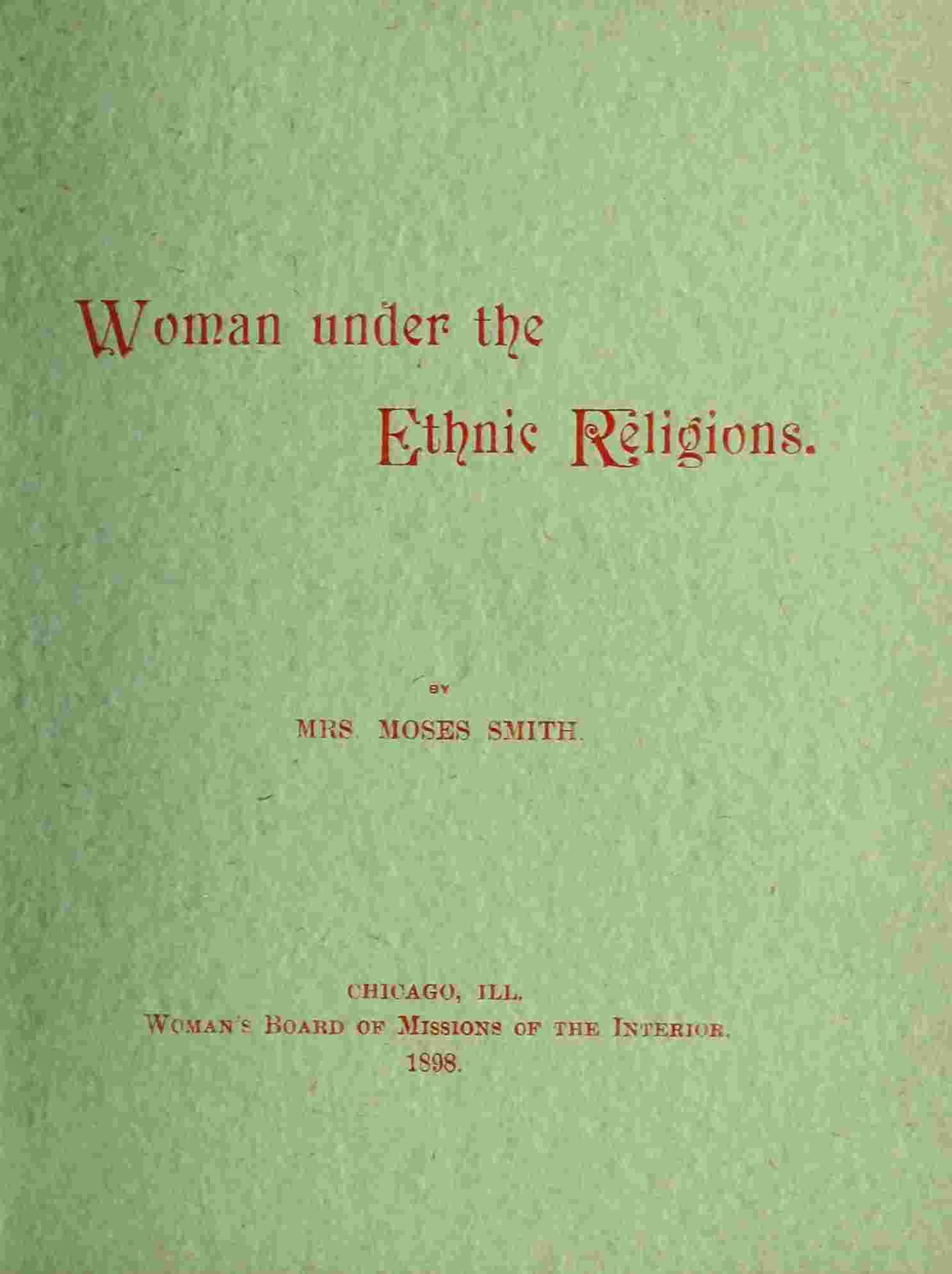
About This Book
The essay surveys how traditional ethnic religions shape women's roles and social condition, arguing that religion molds ideals and institutions and that women's position reveals a system's effects. It focuses on Brahmanic and related Hindu teachings, especially the Code of Manu, and traces consequences such as prescribed seclusion, limits on religious participation, child marriage linked to ritual rewards, caste-based marriage constraints, and practices that reduce female agency. Reforming movements like Buddhism are noted but shown to have been partly absorbed into older structures. The author urges those engaged in cross-cultural work to study religious forces when assessing women's needs and prospects.
About the Author

You May Also Like
6 picks
 "... Mutta -- naivat tummaverisiä"
by Anita Loos
"... Mutta -- naivat tummaverisiä"
by Anita Loos
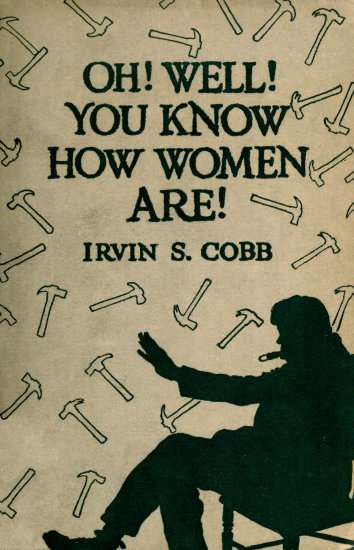 'Oh, Well, You Know How Women Are!'
by Irvin S. Cobb
'Oh, Well, You Know How Women Are!'
by Irvin S. Cobb
 3½ Monate Fabrik-Arbeiterin
by Minna Wettstein-Adelt
3½ Monate Fabrik-Arbeiterin
by Minna Wettstein-Adelt
 A brief summary in plain language of the most important laws concerning women
by Barbara Leigh Smith Bodichon
A brief summary in plain language of the most important laws concerning women
by Barbara Leigh Smith Bodichon
 A Daughter of the Morning
by Zona Gale
A Daughter of the Morning
by Zona Gale
 A Decade of Italian Women, vol. 1 (of 2)
by Thomas Adolphus Trollope
A Decade of Italian Women, vol. 1 (of 2)
by Thomas Adolphus Trollope