
Working With the Hands / Being a Sequel to "Up from Slavery," Covering the Author's Experiences in Industrial Training at Tuskegee
Explore more books like this:
About This Book
The author outlines an approach to industrial education that links manual trades, agriculture, and domestic arts with moral, religious, and academic instruction so that head, hands, and heart develop together. He explains institutional principles that prioritize teaching over immediate profit, send trained students back into the community, and renew programs with new learners. Detailed accounts of practical curricula include carpentry, blacksmithing, farming, sewing, experimental agriculture, and homemaking, with students constructing buildings and workshops as learning laboratories. The narrative also discusses outreach strategies, the role of women in outdoor and household work, and tangible measures of increased self-reliance and community improvement.
About the Author

More Books by This Author
 Character Building / Being Addresses Delivered on Sunday Evenings to the Students of Tuskegee Institute
by Booker T. Washington
Character Building / Being Addresses Delivered on Sunday Evenings to the Students of Tuskegee Institute
by Booker T. Washington
 Frederick Douglass
by Booker T. Washington
Frederick Douglass
by Booker T. Washington
 My larger education
by Booker T. Washington
My larger education
by Booker T. Washington
 Putting the Most Into Life
by Booker T. Washington
Putting the Most Into Life
by Booker T. Washington
 The Future of the American Negro
by Booker T. Washington
The Future of the American Negro
by Booker T. Washington
 The Man Farthest Down: A Record of Observation and Study in Europe
by Booker T. Washington
The Man Farthest Down: A Record of Observation and Study in Europe
by Booker T. Washington
You May Also Like
 "Billy" Sunday, the Man and His Message / With his own words which have won thousands for Christ
by William T. Ellis
"Billy" Sunday, the Man and His Message / With his own words which have won thousands for Christ
by William T. Ellis
 "Boots and Saddles"; Or, Life in Dakota with General Custer
by Elizabeth Bacon Custer
"Boots and Saddles"; Or, Life in Dakota with General Custer
by Elizabeth Bacon Custer
 "Born of the Spirit;" or, Gems from the Book of Life
by Zenas Osborne
"Born of the Spirit;" or, Gems from the Book of Life
by Zenas Osborne
 "Brother Bosch", an Airman's Escape from Germany
by Gerald Featherstone Knight
"Brother Bosch", an Airman's Escape from Germany
by Gerald Featherstone Knight
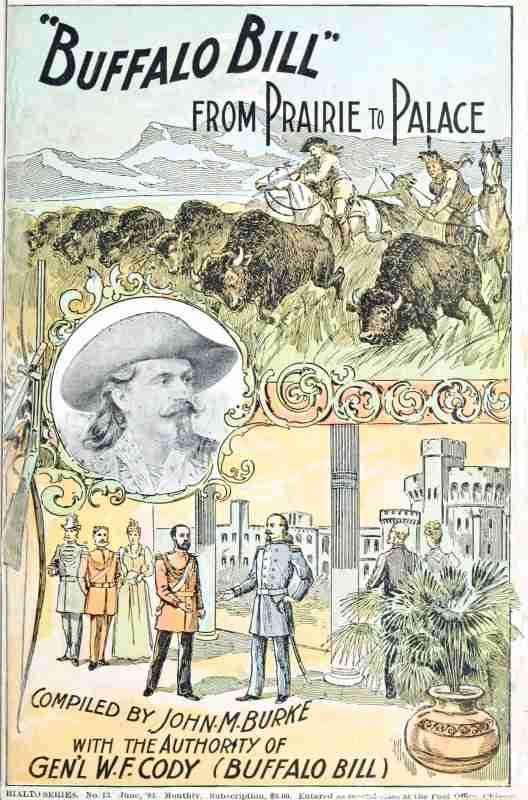 "Buffalo Bill" from Prairie to Palace: An Authentic History of the Wild West
by John M. Burke
"Buffalo Bill" from Prairie to Palace: An Authentic History of the Wild West
by John M. Burke
 "Co. Aytch," Maury Grays, First Tennessee Regiment / Or, A Side Show of the Big Show
by Samuel R. Watkins
"Co. Aytch," Maury Grays, First Tennessee Regiment / Or, A Side Show of the Big Show
by Samuel R. Watkins