
An Inquiry into the Nature and Causes of the Wealth of Nations
Explore more books like this:
About This Book
This work analyzes how a nation's annual labour produces necessities and conveniences and how skill and the allocation of labour determine productive capacity. It traces how the division of labour raises productivity while being limited by the extent of markets, explains the origin and use of money, and distinguishes between real and nominal prices and the components of commodity cost. It examines how output is distributed among wages, profits, and rent, explores the nature and accumulation of capital and stock, and compares the differing progress of urban and rural industry. It critiques mercantile and agricultural economic systems, evaluates trade restraints, colonies, bounties, and fiscal incentives, and concludes with discussion of public revenue, taxation, and public debt.
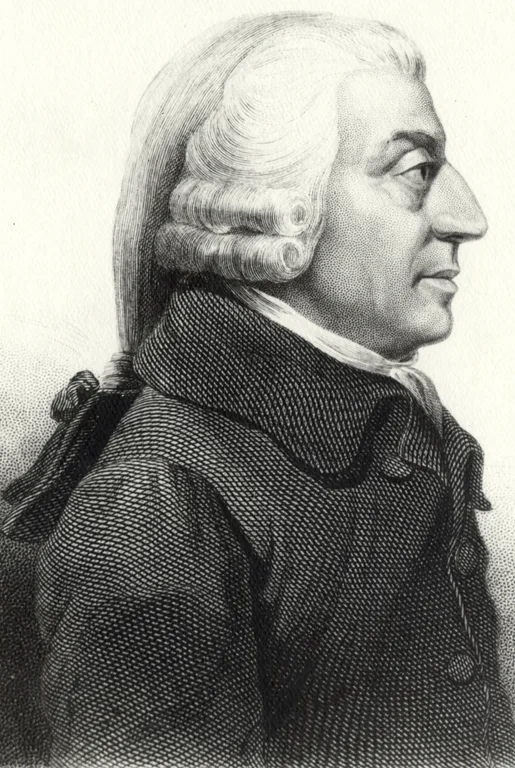
About the Author
More Books by This Author
 An Inquiry Into the Nature and Causes of the Wealth of Nations
by Adam Smith
An Inquiry Into the Nature and Causes of the Wealth of Nations
by Adam Smith
 The Essays of Adam Smith
by Adam Smith
The Essays of Adam Smith
by Adam Smith
 The Theory of Moral Sentiments / Or, an Essay Towards an Analysis of the Principles by Which Men Naturally Judge Concerning the Conduct and Character, First of Their Neighbours, and Afterwards of Themselves. to Which Is Added, a Dissertation on the Origin of Languages.
by Adam Smith
The Theory of Moral Sentiments / Or, an Essay Towards an Analysis of the Principles by Which Men Naturally Judge Concerning the Conduct and Character, First of Their Neighbours, and Afterwards of Themselves. to Which Is Added, a Dissertation on the Origin of Languages.
by Adam Smith
You May Also Like
 A Brief History of Panics and Their Periodical Occurrence in the United States
by Clément Juglar
A Brief History of Panics and Their Periodical Occurrence in the United States
by Clément Juglar
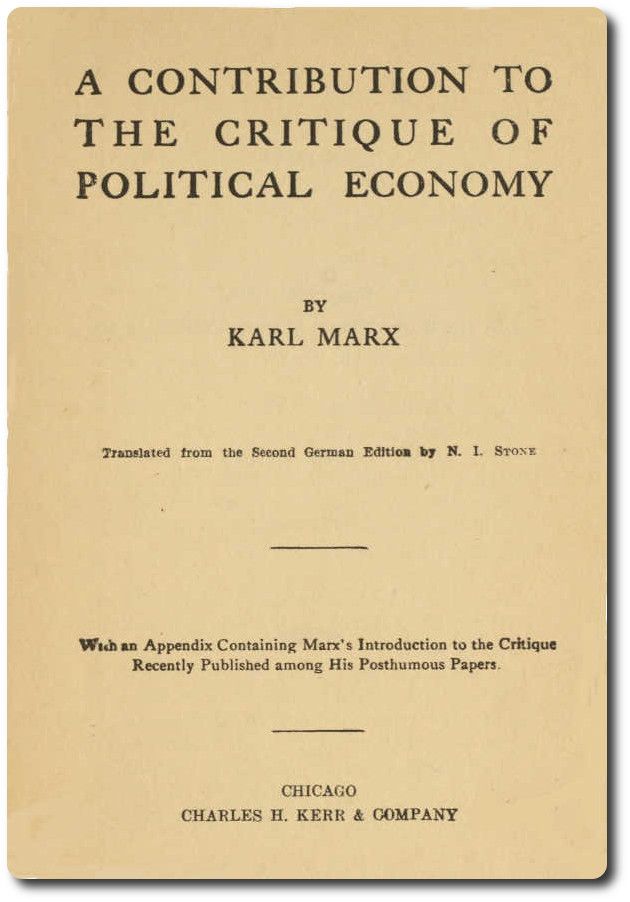 A Contribution to the Critique of Political Economy
by Karl Marx
A Contribution to the Critique of Political Economy
by Karl Marx
 A Critical Examination of Socialism
by W. H. Mallock
A Critical Examination of Socialism
by W. H. Mallock
 A Discourse on Trade, and Other Matters Relative to it
by John Cary
A Discourse on Trade, and Other Matters Relative to it
by John Cary
 A dissolução do regimen capitalista
by Teixeira Bastos
A dissolução do regimen capitalista
by Teixeira Bastos
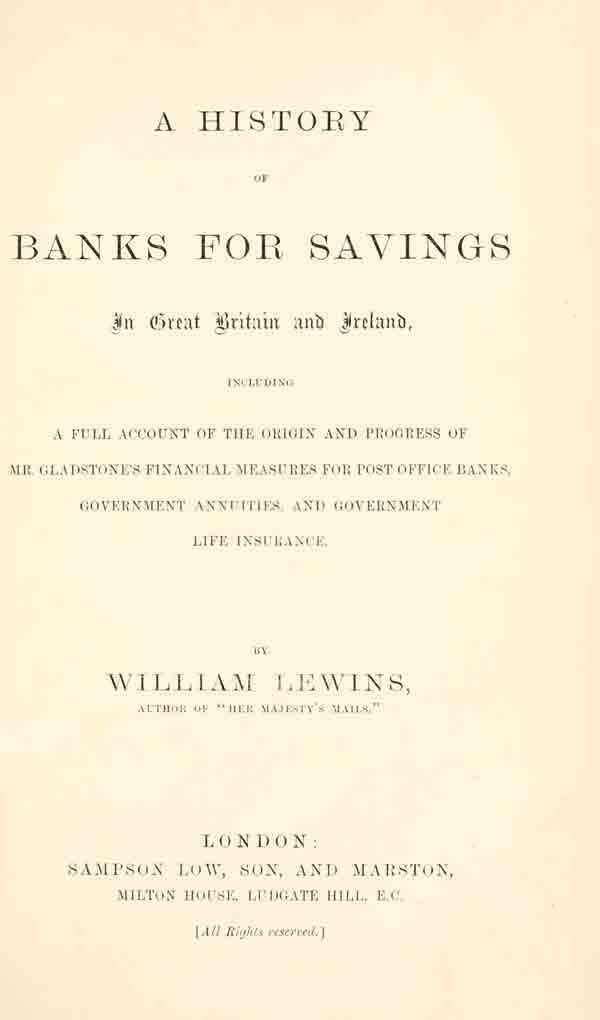 A History of Banks for Savings in Great Britain and Ireland
by William Lewins
A History of Banks for Savings in Great Britain and Ireland
by William Lewins