

About This Book
The essay investigates whether human freedom of will can be deduced from mere self-consciousness, beginning with careful definitions that treat freedom as a negative concept and distinguishing physical, intellectual, and moral varieties. It analyzes how physical obstacles differ from motivating reasons, examines the nature of motives as causes of action, and exposes the regress involved in demanding an antecedentless act of willing. By contrasting empirical notions of being able to act with metaphysical liberum arbitrium, it argues that introspection does not establish an uncaused, absolutely free will but shows willing to be conditioned by motives and external determinants.
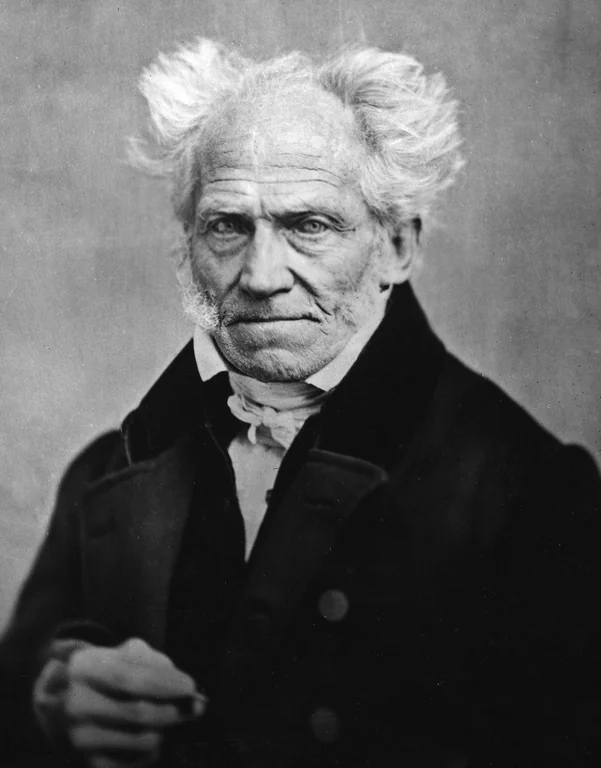
About the Author
More Books by This Author
6 picks
 Aphorismen zur Lebensweisheit
by Arthur Schopenhauer
Aphorismen zur Lebensweisheit
by Arthur Schopenhauer
 Aphorismes sur la sagesse dans la vie
by Arthur Schopenhauer
Aphorismes sur la sagesse dans la vie
by Arthur Schopenhauer
 Essays of Schopenhauer
by Arthur Schopenhauer
Essays of Schopenhauer
by Arthur Schopenhauer
 Index of the Project Gutenberg Works of Arthur Schopenhauer
by Arthur Schopenhauer
Index of the Project Gutenberg Works of Arthur Schopenhauer
by Arthur Schopenhauer
 Kuolema ja kuolematon
by Arthur Schopenhauer
Kuolema ja kuolematon
by Arthur Schopenhauer
 On the Fourfold Root of the Principle of Sufficient Reason, and On the Will in Nature: Two Essays (revised edition)
by Arthur Schopenhauer
On the Fourfold Root of the Principle of Sufficient Reason, and On the Will in Nature: Two Essays (revised edition)
by Arthur Schopenhauer
You May Also Like
6 picks
 "About My Father's Business": Work Amidst the Sick, the Sad, and the Sorrowing
by Thomas Archer
"About My Father's Business": Work Amidst the Sick, the Sad, and the Sorrowing
by Thomas Archer
 "Beautiful Thoughts"
by Henry Drummond
"Beautiful Thoughts"
by Henry Drummond
 "Bethink Yourselves!"
by graf Leo Tolstoy
"Bethink Yourselves!"
by graf Leo Tolstoy
 "How Can I Help to Abolish Slavery?" or, Counsels to the Newly Converted
by Maria Weston Chapman
"How Can I Help to Abolish Slavery?" or, Counsels to the Newly Converted
by Maria Weston Chapman
 "I Believe" and other essays
by Guy Thorne
"I Believe" and other essays
by Guy Thorne
 "Imperialism" and "The Tracks of Our Forefathers"
by Charles Francis Adams
"Imperialism" and "The Tracks of Our Forefathers"
by Charles Francis Adams