

Concerning Christian Liberty; with Letter of Martin Luther to Pope Leo X.
Explore more books like this:
About This Book
The work opens with a letter addressed to the pope and develops an argument that a believer’s right standing comes from faith in God’s promises rather than from legal observance or earned merit. It separates the law’s function of producing repentance from the gospel’s role in creating faith, defines Christian liberty as an inward release from the need to achieve salvation by works, and maintains that authentic faith naturally expresses itself in voluntary service to others. Scriptural interpretation, especially of Pauline texts, underpins the claim that good works are the fruit of faith and instruments of neighborly love, not prerequisites for justification.
About the Author

More Books by This Author
6 picks
 A manual of the book of Psalms
by Martin Luther
A manual of the book of Psalms
by Martin Luther
 A Treatise on Good Works
by Martin Luther
A Treatise on Good Works
by Martin Luther
 An Explanation of Luther's Small Catechism
by Martin Luther
An Explanation of Luther's Small Catechism
by Martin Luther
 An Open Letter on Translating
by Martin Luther
An Open Letter on Translating
by Martin Luther
 Commentary on Genesis, Vol. 1: Luther on the Creation
by Martin Luther
Commentary on Genesis, Vol. 1: Luther on the Creation
by Martin Luther
 Commentary on Genesis, Vol. 2: Luther on Sin and the Flood
by Martin Luther
Commentary on Genesis, Vol. 2: Luther on Sin and the Flood
by Martin Luther
You May Also Like
6 picks
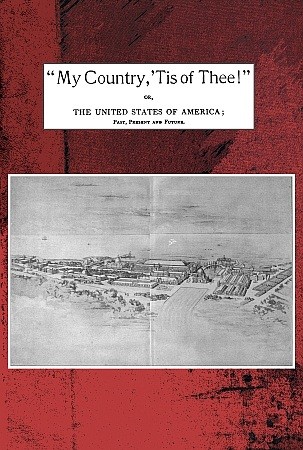 "My country, 'tis of thee!" / Or, the United States of America; past, present and future. A philosophic view of American history and of our present status, to be seen in the Columbian exhibition.
by Willis Fletcher Johnson
"My country, 'tis of thee!" / Or, the United States of America; past, present and future. A philosophic view of American history and of our present status, to be seen in the Columbian exhibition.
by Willis Fletcher Johnson
 "Their Majesties' Servants." Annals of the English Stage (Volume 3 of 3)
by Dr. Doran
"Their Majesties' Servants." Annals of the English Stage (Volume 3 of 3)
by Dr. Doran
 1811 Dictionary of the Vulgar Tongue
by Francis Grose
1811 Dictionary of the Vulgar Tongue
by Francis Grose
 A Beginner's History of Philosophy, Vol. 2: Modern Philosophy
by Herbert Ernest Cushman
A Beginner's History of Philosophy, Vol. 2: Modern Philosophy
by Herbert Ernest Cushman
 A boke made by John Fryth, prysoner in the Tower of London / answerynge unto M. Mores letter, which he wrote agaynst the fyrste lytle treatyse that John Fryth made, concernynge the sacramente of the body and bloude of Christ
by John Frith
A boke made by John Fryth, prysoner in the Tower of London / answerynge unto M. Mores letter, which he wrote agaynst the fyrste lytle treatyse that John Fryth made, concernynge the sacramente of the body and bloude of Christ
by John Frith
 A Brief Account of the Destruction of the Indies / Or, a faithful NARRATIVE OF THE Horrid and Unexampled Massacres, Butcheries, and all manner of Cruelties, that Hell and Malice could invent, committed by the Popish Spanish Party on the inhabitants of West-India, TOGETHER With the Devastations of several Kingdoms in America by Fire and Sword, for the space of Forty and Two Years, from the time of its first Discovery by them.
by Bartolomé de las Casas
A Brief Account of the Destruction of the Indies / Or, a faithful NARRATIVE OF THE Horrid and Unexampled Massacres, Butcheries, and all manner of Cruelties, that Hell and Malice could invent, committed by the Popish Spanish Party on the inhabitants of West-India, TOGETHER With the Devastations of several Kingdoms in America by Fire and Sword, for the space of Forty and Two Years, from the time of its first Discovery by them.
by Bartolomé de las Casas