

Day Symbols of the Maya Year / Sixteenth Annual Report of the Bureau of American Ethnology to the Secretary of the Smithsonian Institution, 1894-1895, Government Printing Office, Washington, 1897, pages 199-266.
Explore more books like this:
About This Book
The paper presents a systematic study of the twenty day-signs of the Maya calendar, analyzing glyphic forms, variant renderings, and possible phonetic values while arguing that many symbols functioned as phonetic consonant or syllable cues rather than full alphabetic spelling. Each day is treated with proposed meanings, comparisons across codices and inscriptions, and cross-cultural parallels including Nahuatl and Polynesian motifs, supported by plates reproducing glyphs. An appendix offers a comparative list of Māori day-deities, and editorial notes discuss transcription choices and typographical peculiarities.
About the Author

More Books by This Author
4 picks
 Aids to the Study of the Maya Codices / Sixth Annual Report of the Bureau of Ethnology to the Secretary of the Smithsonian Institution, 1884-85, Government Printing Office, Washington, 1888, pages 253-372
by Cyrus Thomas
Aids to the Study of the Maya Codices / Sixth Annual Report of the Bureau of Ethnology to the Secretary of the Smithsonian Institution, 1884-85, Government Printing Office, Washington, 1888, pages 253-372
by Cyrus Thomas
 Burial Mounds of the Northern Sections of the United States
by Cyrus Thomas
Burial Mounds of the Northern Sections of the United States
by Cyrus Thomas
 Notes on Certain Maya and Mexican Manuscripts / Third Annual Report of the Bureau of Ethnology to the Secretary of the Smithsonian Institution, 1881-82, Government Printing Office, Washington, 1884, pages 3-66
by Cyrus Thomas
Notes on Certain Maya and Mexican Manuscripts / Third Annual Report of the Bureau of Ethnology to the Secretary of the Smithsonian Institution, 1881-82, Government Printing Office, Washington, 1884, pages 3-66
by Cyrus Thomas
 The Problem of the Ohio Mounds
by Cyrus Thomas
The Problem of the Ohio Mounds
by Cyrus Thomas
You May Also Like
6 picks
 "Five-Head" Creek; and Fish Drugging in the Pacific / 1901
by Louis Becke
"Five-Head" Creek; and Fish Drugging in the Pacific / 1901
by Louis Becke
 "Pennsylvania Dutch," and other essays
by Phebe Earle Gibbons
"Pennsylvania Dutch," and other essays
by Phebe Earle Gibbons
 "Sterminator Vesevo" (Vesuvius the great exterminator) / Diary of the Eruption of April 1906
by Matilde Serao
"Sterminator Vesevo" (Vesuvius the great exterminator) / Diary of the Eruption of April 1906
by Matilde Serao
 21 Jahre in Indien. Dritter Theil: Sumatra.
by Heinrich Breitenstein
21 Jahre in Indien. Dritter Theil: Sumatra.
by Heinrich Breitenstein
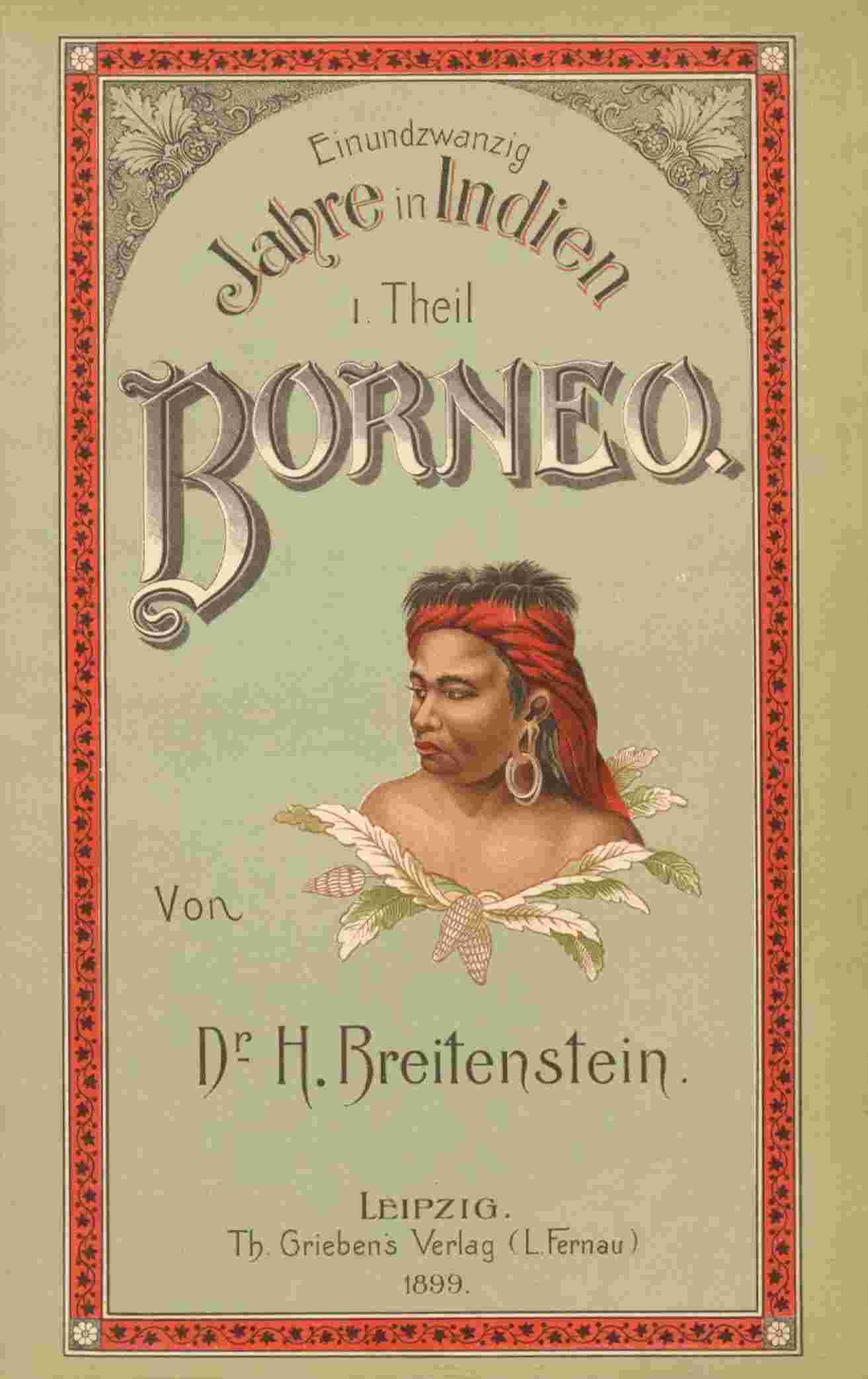 21 Jahre in Indien. Erster Theil: Borneo.
by Heinrich Breitenstein
21 Jahre in Indien. Erster Theil: Borneo.
by Heinrich Breitenstein
 A Bakony (1. kötet)
by Károly Eötvös
A Bakony (1. kötet)
by Károly Eötvös